
Companion Plants
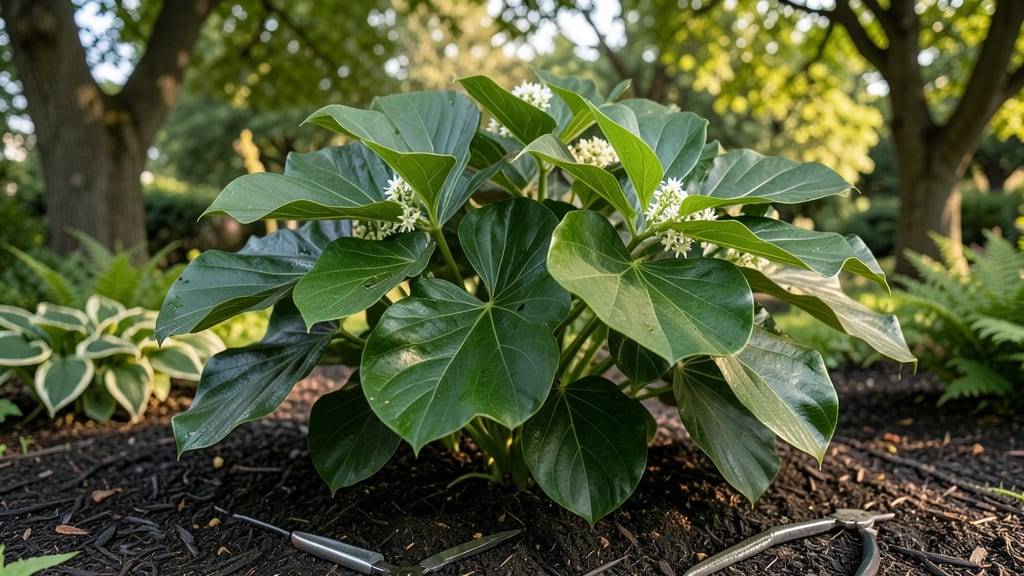
Your dark garden corners don’t have to stay gloomy—large shade plants turn them into lush, dramatic focal points. 🌿 I’ve transformed my own shady spots with towering foliage that thrives where others fail, creating privacy and year-round structure without sacrificing beauty.
Think beyond ferns: plants like Japanese maples (6–12 ft) with fiery fall colors, elephant ears (5–7 ft) for bold tropical drama, or hostas (2–3 ft) in layered groupings. These giants handle dappled light to deep shade, and their textures—velvety, waxy, or deeply lobed—add depth to any space. The payoff?
A garden that feels intentional, not neglected. These plants grow slowly but steadily, so you’ll enjoy their presence for years. Pair them with smaller shade lovers like bleeding hearts or heucheras for contrast, and watch your corner become the envy of the neighborhood.
Works for urban backyards, wooded edges, or even under trees. Let’s bring light to those shadows!
📚 In This Guide
- What you need
- Instructions
- Tips and common mistakes
- Wrapping up and next steps
What you need
- ● Large shade-tolerant plants: 3–5 mature specimens (e.g., Hostas, Ferns, Astilbes, or Hydrangeas), sized 2–4 feet tall, depending on desired height.
- ● High-quality potting soil or garden loam: 2–3 cubic yards (for in-ground planting) or 10–15-gallon bags (for containers). Opt for moisture-retentive, well-draining blends.
- ● Organic mulch: 2–3 inches of shredded bark, pine needles, or compost to retain moisture and suppress weeds.
- ● Slow-release fertilizer: 10–20 lbs of balanced (10-10-10) or acid-loving (e.g., 8-3-9) granules for nutrient-rich soil.
- ● Garden gloves and knee pads: 1 pair each (for comfort and protection).
- ● Watering can or hose with a gentle spray nozzle: 5+ gallons capacity to saturate roots deeply.
- ● Pruners or shears: Bypass pruners for clean cuts (sterilize with rubbing alcohol).
- ● Garden trowel or spade: For digging holes (12–18 inches deep/wide per plant).
- ● Measuring tape: To space plants 2–4 feet apart (depending on mature size).
- ● Container gardeners? 2–3 large pots (15–25 gallons) with drainage holes and saucers.
- ○ Epsom salt (magnesium sulfate): 1 tbsp per plant for greenhouse plants like ferns (optional but helpful).
- ● Decorative stones or pebbles: For a polished look around plant bases (e.g., river rocks or slate chips).
- ● Plant supports: 3–5 bamboo stakes or spiral ties for tall varieties like Astilbes.
- ● Shade cloth (30–50% coverage): If your area gets partial sun and you want to mimic deeper shade.
Step-by-Step guide to selecting and planting large shade plants
Here's how to transform dim corners into dramatic focal points with plants that thrive in low light.
🌿 Step 1: Assess Your Shade Conditions
Not all shade is equal—your plants' success depends on understanding your space's light levels. Walk through your garden at different times of day to identify deep shade (less than 2 hours of direct sun) versus partial shade (2-6 hours of sun). Deep shade areas under trees or north-facing walls need plants like ferns or hostas, while partial shade can support taller options like astilbes or hydrangeas.
Check soil moisture by digging a 6-inch hole—if the soil stays damp for days, your area has poor drainage and needs plants with tolerant root systems. I always test drainage first because soggy roots will kill even the hardiest shade plants within weeks. For heavy clay, amend with 3-4 inches of compost before planting.
🪴 Step 2: Choose Plants for Scale and Structure
For dramatic impact, pair a 6-8 foot tall specimen (like a Japanese maple or rhododendron) with mid-height accents (5-6 feet) such as pieris or dogwood. I recommend selecting plants with arching branches or layered foliage—they create natural vertical interest without looking crowded. Always check the mature height on the plant tag, as many shade plants grow surprisingly wide.
For your 4-plant installation, I suggest one focal tree (like a dwarf Korean lilac), two mid-height shrubs (such as hydrangeas), and one ground-cover filler (like foamflower). This creates visual balance while maintaining airflow. Space larger plants 8-10 feet apart and smaller ones 3-4 feet apart to prevent future root competition.
☀️ Step 3: Prepare Planting Sites with Proper Amendments
Dig holes twice as wide as the root ball but only as deep—planting too deep suffocates roots. Loosen the sides of the hole with a fork to encourage root spread into native soil. For nutrient-poor shade areas, mix 5 gallons of compost into the bottom third of the hole. This gives roots immediate access to organic matter while preventing fertilizer burn.
Water the hole thoroughly 24 hours before planting—this pre-moistening helps roots establish faster. If your soil is sandy, add 2 cups of peat moss to the backfill mix to retain moisture. I always test soil pH (ideal range is 5.0-6.5 for most shade plants) using a simple test kit before planting—acid-loving plants like azaleas will yellow if the soil is too alkaline.
🌱 Step 4: Plant with Care for Long-Term Stability
Place the plant in the hole so the top of the root ball sits 1 inch above ground level—this prevents settling over time. Spread roots gently outward (never force them) and fill with native soil mixed with your amendments. Water immediately after planting to eliminate air pockets, then firm the soil lightly with your hands.
Create a 2-inch deep watering basin around each plant and fill it completely. This encourages deep root growth rather than shallow surface roots. Mulch with 3-4 inches of shredded bark, keeping it 6 inches away from stems to prevent rot. I always water again after mulching to help settle everything in place.
💧 Step 5: Establish a Maintenance Routine
Shade plants need 1 inch of water weekly during the first growing season, more in extreme heat. Check soil moisture by pushing your finger 2 inches deep—if it feels dry, water thoroughly. Avoid overhead watering after planting, as wet foliage invites fungal diseases. Instead, use a soaker hose at the base for 20-30 minutes per plant.
Fertilize lightly in spring with ½ cup of slow-release 10-10-10 fertilizer per plant, then again in midsummer. I've found shade plants respond better to organic options like fish emulsion—it feeds roots gradually without burning. Prune only to remove dead or crossing branches in late winter, never more than 25% of the plant's volume at once.
Tips & tricks for perfect large shade plant installations
Transforming dark corners into lush, dramatic spaces requires more than just choosing the right plants—it's about the details that make all the difference.
Plant Selection Nuance: When selecting your 6-8 foot tall specimen in Step 2, pay special attention to the plant tag's notes about mature width—not just height. Many shade trees like Japanese maples spread 10-15 feet wide at maturity, so position them accordingly. I've seen beautiful installations ruined by plants that outgrew their space within 5 years. For tight corners, consider columnar varieties like 'Fastigiata' columnar oak that grow only 8 feet wide while reaching 20 feet tall—perfect for vertical drama.
Soil Science Secret: The 3-4 inches of compost you mix into the planting hole in Step 3 isn't just for nutrients—it's a moisture buffer. For clay-heavy soils, I recommend adding 1 cup of perlite to each hole to improve drainage while maintaining moisture. This is especially critical in Step 1 when you're assessing soil moisture—if your 6-inch hole test shows compacted clay, the perlite will help roots penetrate more easily. Think of it as creating a "root spa" for your plants.
Watering Strategy: The 20-30 minutes per plant soaker hose time in Step 5 might seem long, but it's essential for deep watering. I've found that using a timer on your hose ensures consistency—set it for 25 minutes and let it run while you tend to other garden tasks. This method delivers water to the 12-18 inch deep root zone where most shade plants establish their primary roots. The key is slow, deep watering that mimics natural rainfall patterns rather than quick surface watering.
Mulching Mastery: That 3-4 inches of shredded bark mulch in Step 4 serves multiple purposes beyond weed suppression. It creates a 5-10°F cooler microclimate around roots, which is crucial for shade plants that prefer cooler soil temperatures. I recommend using hardwood mulch (like oak or maple) which breaks down slowly. Refresh the mulch layer annually in late winter—this prevents compaction and maintains the proper depth. Just remember to keep it 6 inches away from stems to prevent rot.
Pro Tips for Large Shade Plants
- Transforming dark corners into lush, dramatic spaces requires more than just choosing the right plants—it's about the details that make all the difference.
- Plant Selection Nuance: When selecting your 6-8 foot tall specimen in Step 2, pay special attention to the plant tag's notes about mature width—not just height.
- Soil Science Secret: The 3-4 inches of compost you mix into the planting hole in Step 3 isn't just for nutrients—it's a moisture buffer.
Frequently asked questions
Got questions about adding large shade plants to your garden? You’re not alone! Here are some of the most common queries—and their answers—to help you grow with confidence.
What are the best large shade plants for beginners?
Start with hardy, low-maintenance options like Hostas, Ferns, or Hydrangeas. These thrive in shade, tolerate occasional neglect, and offer striking foliage. For bold height, try Astilbe or Coral Bells (Heuchera)—both are forgiving and add texture effortlessly.
How long does it take for large shade plants to mature?
Most large shade plants take 2–5 years to reach their full size, depending on the species. For example, Hydrangeas may take 3–4 years, while Ferns can mature faster (1–2 years). Patience pays off—consistent watering and mulching speed up growth!
Why are my large shade plants yellowing or wilting?
Yellowing leaves often signal overwatering or poor drainage, while wilting can mean underwatering or root stress. Check soil moisture (top 1–2 inches should be dry) and ensure pots/containers have drainage holes. Fungal issues (like powdery mildew) may also appear in humid shade—prune affected leaves and improve airflow.
Can I grow large shade plants in containers?
Opt for large, sturdy containers (15+ gallons) with drainage. Choose compact varieties like Dwarf Fatsia or Miniature Hydrangeas. Use well-draining potting mix and fertilize monthly during growing season. Pro tip: Move containers occasionally for even sunlight exposure!
What’s a good alternative if my shade is too dark?
If your garden gets minimal light (less than 3 hours/day), try Snake Plants, ZZ Plants, or Cast Iron Plants—they tolerate near-black shade. For moisture-loving spots, Pothos or Philodendrons (in hanging baskets) are excellent. Just avoid sun-lovers like Coleus or Impatiens!
Wrapping up and next steps
Transforming your shady garden corners into lush, thriving spaces is easier than you think! Large shade plants like hostas, ferns, and calatheas bring drama, texture, and life to areas that might otherwise feel forgotten.
Their resilience and beauty make them the perfect choice for adding elegance without the fuss—just plant, water, and enjoy the results.
Ready to elevate your outdoor space? Start small with one or two statement plants, then expand as you discover what thrives best in your unique shade. Happy gardening! 🌿✨