
Shrubs
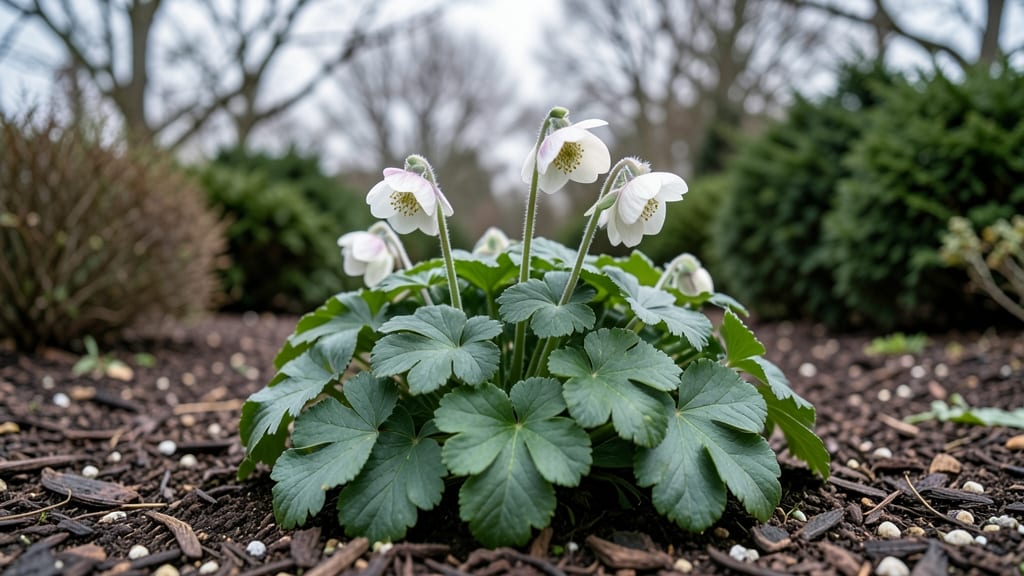
The lenten rose thrives in sun or shade where others falter—even under oak trees or in bright shade gardens, their leathery leaves and cheerful blooms prove they’re the ultimate low-light shrub. 🌿 I’ve grown them in partial shade and dappled sunlight, and they never disappoint.
The key? Understanding how much sun they truly need—and how to compensate when conditions aren’t perfect.
These tough perennials handle morning sun with afternoon shade or even deep shade, but their blooms will be most abundant with at least 3-4 hours of indirect light daily.
My shade-loving varieties still produce blooms in spots where hostas would struggle, though their flowers may be slightly smaller. The trade-off? Fewer pests and less watering—ideal for busy gardeners.
With the right soil (moist but well-draining) and a little winter mulch, you’ll get year-round interest—glossy foliage in winter, delicate blooms in late winter/early spring, and seed pods that add texture through fall. They’re the plant that keeps giving, even when other shrubs have given up.
Fair warning: Overly dry shade can stress them, while soggy spots invite rot. Amend clay soil with compost, and avoid heavy mulch piles around the crown. Once established, they’re nearly foolproof—perfect for problem areas where nothing else survives.
📚 In This Guide
- What you need
- Instructions
- Tips and common mistakes
- Wrapping up and next steps
What you need
- ● Lenten Rose plants: Choose from Helleborus niger (Christmas Rose, prefers shade) or Helleborus orientalis (St. Brigid’s Rose, tolerates partial sun). Buy 3–5 mature plants (3–4" pots) for a full, lush display.
- ● High-quality potting soil or garden soil: 5–10 gallons, amended with 20–30% compost for drainage and nutrients. Avoid heavy clay soil.
- ● Organic mulch: 2–3 inches of shredded bark, pine needles, or leaf mold to retain moisture and regulate temperature.
- ● Slow-release fertilizer: 10–20–10 NPK ratio (e.g., Osmocote or Espoma), 1–2 tbsp per plant at planting time.
- ● Garden trowel or hand shovel (for digging holes 12–18" deep and 12" wide).
- ● Garden gloves (to protect hands from thorns and soil).
- ● Watering can or hose with a gentle spray nozzle (for deep watering without disturbing roots).
- ● Measuring tape or ruler (to ensure proper spacing—8–12" apart for clumping varieties, 12–18" apart for spreading types).
- ● Pruners (sterilized) (for trimming dead foliage post-bloom or shaping).
- ● Shade cloth (30–50%) for seedlings or hot climates (if planting in partial sun).
- ● Epsom salt (1 tbsp dissolved in 1 gallon of water) for magnesium boost (apply once in early spring).
- ● Decorative rocks or pebbles for mulch-free areas (adds aesthetic appeal).
- ● Plant labels to track varieties and bloom times.
How to plant and care for lenten roses in any light condition
Here's how I grow these stunning, low-maintenance bloomers—whether your spot gets sun or shade.
🪴 Step 1: Choose the Right Planting Spot
Lenten roses thrive in partial shade to full sun, making them perfect for spots that get morning sun or dappled light. I always test the location first by observing how much direct sunlight it receives for at least a week—this helps me avoid over- or under-planting for light needs. For full sun spots, plant where they’ll get afternoon shade in hot climates to prevent leaf scorch.
Dig a hole twice as wide as the root ball but only as deep as the container it came in. Loosen the roots gently if they’re circling—this encourages outward growth instead of struggling to break free. The key is to plant at the same depth it was in the nursery pot, so the top of the root ball sits just below soil level.
🌱 Step 2: Prepare Soil and Plant
Amend the soil with 2-3 inches of compost mixed into the bottom of the hole—this gives roots a nutrient boost without overwhelming the plant. Lenten roses prefer well-draining soil, so if your garden holds water, add a handful of perlite or coarse sand to the mix. I like to work the soil until it’s loose but not powdery, like crumbly cake batter.
Place the plant in the hole, then backfill with soil, pressing gently to remove air pockets. Water deeply right after planting to settle the soil and encourage root contact. The first few weeks are critical—keep the soil moist but not soggy, as roots need to establish before the plant can handle dry spells.
☀️ Step 3: Water and Fertilize for Year-Round Blooms
Water once a week during the first growing season, giving 1-2 gallons per plant at the base. You’ll know you’ve watered enough when the top inch of soil feels damp but not saturated. In hotter months, increase to twice a week unless your area gets regular rain. Overwatering is the fastest way to kill these hardy plants—yellowing leaves are your first warning sign.
Feed with a balanced, slow-release fertilizer (like 10-10-10) in early spring and again in midsummer. I skip fall fertilization—it encourages late-season growth that won’t harden off before winter. Prune spent blooms by cutting back to the nearest leaf node to keep the plant bushy and flowering.
✂️ Step 4: Prune and Protect for Longevity
Prune in late winter or early spring, cutting back one-third of the oldest stems to encourage new growth. This is also the time to check for any dead or diseased branches—remove them immediately to prevent spread. Lenten roses are tough, but they’ll reward you with fewer blooms if you skip this step. I always sterilize my pruners with rubbing alcohol between cuts to avoid introducing bacteria.
In colder zones, mulch around the base with 2-3 inches of shredded bark or leaves to insulate roots. This helps them survive winter dormancy and wake up stronger in spring. If you’re in a mild climate, mulch still helps retain moisture and keep soil temperatures stable—just avoid piling it against the stem.
🌿 Step 5: Monitor and Enjoy Year-Round Beauty
Watch for aphids or spider mites, especially on new growth. A strong spray of water usually dislodges them, but for stubborn infestations, I use neem oil—it’s gentle on plants and pets. Lenten roses are forgiving, but they’ll tell you when something’s off: drooping leaves mean underwatering, while crispy edges signal too much sun or salt buildup from tap water.
These plants are the unsung heroes of the garden—they bloom in early spring, often before other shrubs, and keep going with minimal fuss. With the right spot and care, you’ll have vibrant blooms from late winter through summer, and even occasional fall flowers. That’s the magic of lenten roses!
Tips & tricks for perfect lenten Rose planting and care
These game-changing tips will help you get the most vibrant blooms from your lenten roses—no matter where you plant them.
Location Scouting: I can't stress enough how important it is to observe your spot for at least a week before planting. Watch for patterns—morning sun with afternoon shade is ideal. If you're unsure, plant in a spot that gets partial shade first. You can always move the plant later if needed, but transplanting established lenten roses is more work than getting the location right from the start.
Root Ball Prep: When you're loosening those circling roots in Step 1, take your time—gentle is better than aggressive. I've seen people yank at roots trying to straighten them, which can actually damage the plant. Just make a few small cuts around the root ball to encourage outward growth. The goal is to help roots spread naturally, not force them.
Soil Texture Test: That "crumbly cake batter" consistency I mentioned for soil preparation is key. If your soil feels too dense, add more perlite or sand. For heavier clay soils, mix in some coconut coir to improve drainage. Well-draining soil prevents root rot, which is the silent killer of lenten roses—you might not notice until it's too late.
Watering Wisdom: The once-a-week watering schedule in Step 3 works perfectly in moderate climates, but I've learned the hard way that this doesn't translate to hot, dry areas. In summer heat, I water every other day and check soil moisture daily. The top inch should feel damp but not wet—think of it like a well-wrung sponge. Overwatering causes more problems than underwatering with these tough plants.
Pro Tips for Lenten Rose Sun Or Shade
- These game-changing tips will help you get the most vibrant blooms from your lenten roses—no matter where you plant them.
- Location Scouting: I can't stress enough how important it is to observe your spot for at least a week before planting.
- Root Ball Prep: When you're loosening those circling roots in Step 1, take your time—gentle is better than aggressive.
Frequently asked questions
Got questions about growing Helleborus niger (Lenten Rose) in sun or shade? Here are answers to the most common ones—so you can enjoy those cheerful blooms all year!
Can Lenten Roses grow in full sun?
While they tolerate some morning sun, full sun (especially afternoon rays) can scorch their leaves or cause them to wilt. Opt for partial shade (3–6 hours of light) for best results. In hot climates, dappled shade under trees works wonders!
Do Lenten Roses bloom in winter?
Yes! Their name comes from blooming around Lent (late winter/early spring), but some varieties may rebloom in fall. Cold-hardy (USDA zones 3–9), they’re one of the first flowers to brighten up a dull garden after snow melts.
What’s the best soil for Lenten Roses?
They prefer well-draining, slightly alkaline soil (pH 6.0–7.5). Amend heavy clay with compost or sand, and avoid soggy spots—they hate “wet feet.” A mulch layer (2–3 inches) helps retain moisture and regulate temperature.
Can I move a mature Lenten Rose?
Yes, but timing is key! Transplant in early fall or spring when the plant isn’t actively blooming. Water deeply before and after moving, and prune dead foliage to reduce stress. Avoid moving during extreme heat or cold.
Why aren’t my Lenten Roses blooming?
Common culprits:
- Too much sun (leaves burn, energy goes to survival, not flowers).
- Over-fertilizing (focus on balanced fertilizer in early spring).
- Crowded roots (divide clumps every 3–4 years).
- Dormant period disrupted (they need a cool winter to rebloom).
Are there shade-tolerant alternatives?
If your spot is deep shade, try:
- Helleborus orientalis (more shade-friendly than niger).
- Lungwort (Pulmonaria) (early blooms, great texture).
- Japanese Anemone (late-season shade lover).
Wrapping up and next steps
The Lenten rose (Helleborus) is a resilient and stunning addition to any garden, thriving beautifully in both sun and shade.
Whether you’re a beginner or a seasoned gardener, its year-round blooms and low-maintenance nature make it a perfect choice for adding color and life to your outdoor space. 🌸
Ready to bring some timeless beauty to your garden? Start by choosing the right spot—whether it’s a dappled shade area or a partially sunny corner—and give your Lenten rose the love it deserves. Plant one today and enjoy its magic all year round!