
Blooming
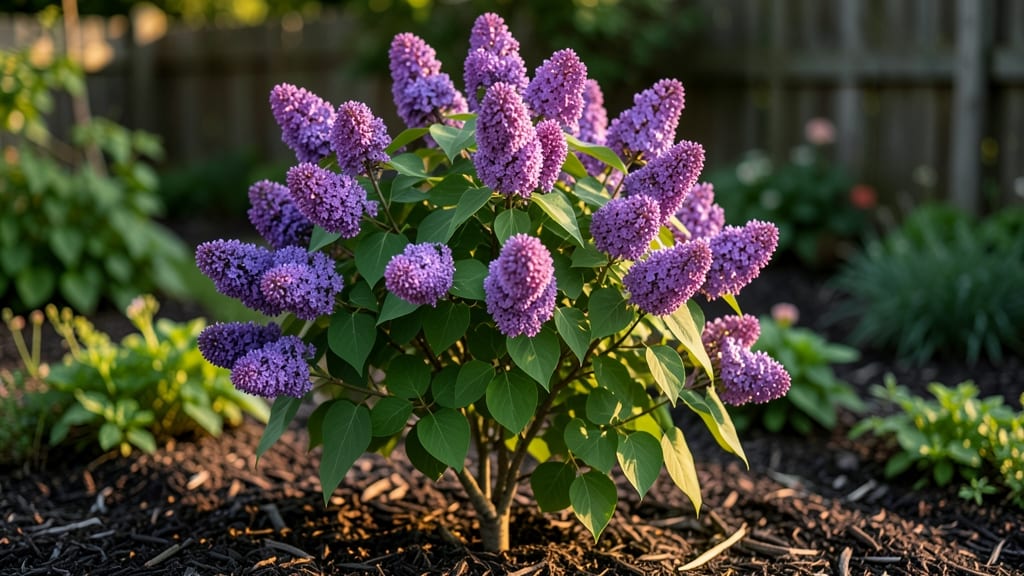
Your lilacs will burst into fragrant purple spikes every late spring—if you know the secrets. 🌸 The timing varies by region, but most lilacs bloom between mid-April and early June, with northern climates pushing blooms later and southern zones seeing earlier flowers.
That first flush of color is what makes them worth the wait, but only if you've given them the right care.
Bud formation starts in late winter when the plant senses longer daylight. Healthy lilacs need full sun (at least 6 hours daily) and well-drained soil to store energy for blooms. Pruning at the wrong time can delay or even cancel flowers—cutting after blooms fade is key.
I've seen lilacs skip blooming entirely after aggressive summer pruning, so timing matters more than you'd think.
You'll know buds are forming when those fuzzy green spikes appear along the branches—usually 2-3 weeks before blooms. At this stage, increase watering slightly (but avoid soggy soil) and hold off on heavy feeding.
Once flowers open, their intoxicating fragrance draws bees and hummingbirds, making your garden feel alive. The secret to repeat performances? Proper pruning after blooming and consistent care.
If your lilac isn't blooming, check for these common issues: over-pruning, poor soil, or shade. Older plants sometimes take a break after years of heavy flowering—give them a rest year with no pruning.
With the right approach, you'll have those signature purple spikes returning reliably for decades. Here's how to keep them thriving.
📚 In This Guide
- What you need
- Instructions
- Tips and common mistakes
- Wrapping up and next steps
What you need
- ● Lilac plants: Choose hardy varieties like Syringa vulgaris (common lilac) or Syringa meyeri (dwarf lilac). Buy 3–5 mature plants (3–5 ft tall) for a full bloom display.
- ● Well-draining soil: 10–15 cubic yards of a mix of topsoil (60%), compost (30%), and perlite/sand (10%) for ideal drainage.
- ● Sunlight access: A full-sun location (6+ hours/day)—no compromises here!
- ● Watering can or hose: A 5-gallon capacity for deep watering (1–2 inches per week during bloom time).
- ● Pruning shears: Bypass pruners (8-inch blades) for shaping and deadheading.
- ● Mulch: 2–3 inches of shredded bark to retain moisture and suppress weeds.
- ● Slow-release fertilizer: 10-10-10 NPK ratio (1 lb per plant) in early spring.
- ● Lilac-specific spray: Neem oil or horticultural oil to prevent pests like aphids.
- ● Stakes or trellis: For weeping varieties to support their graceful growth.
How to time lilac blooms for peak fragrance and beauty
Lilacs don’t just bloom—they perfume the spring air. Here’s how to coax those iconic purple spikes to appear right when you want them.
🌱 Step 1: Understand Your Lilac’s Natural Bloom Cycle
Lilacs bloom based on chill hours—the total number of hours below 45°F they experience in winter. Most varieties need 500-1,000 hours to trigger buds. If your winters are mild, your lilac might bloom later or sparsely. Check your local climate zone: Zones 3-7 are ideal for classic lilacs.
Watch for bud swell in early spring—those plump, fuzzy buds mean blooming is weeks away. A good rule: When forsythia blooms, lilacs are about 2-3 weeks behind. Prune after flowering (never in fall) to avoid cutting off next year’s buds.
☀️ Step 2: Position for Maximum Sun and Airflow
Lilacs thrive in full sun (6+ hours daily) but tolerate morning sun + afternoon shade in hot climates. Plant them where they get bright, indirect light in the afternoon to prevent leaf scorch. The more sun, the more intense the fragrance—but avoid south-facing walls that bake them.
Space bushes 6-10 feet apart for airflow. Crowded lilacs suffer from powdery mildew and weak blooms. If your yard is humid, choose disease-resistant varieties like ‘Dwarf Korean’ or ‘Miss Canada’—they bloom reliably even in tough conditions.
💧 Step 3: Water Deeply After Planting and During Droughts
New lilacs need 1-2 inches of water weekly for the first two years to establish roots. Once mature, they’re drought-tolerant but still need deep watering every 2-3 weeks during dry spells. Water at the base, not overhead—wet foliage invites fungal diseases.
Mulch with 2-3 inches of organic mulch (like shredded bark) to retain moisture and regulate soil temperature. Keep mulch 6 inches away from the trunk to prevent rot. Overwatering is worse than underwatering—lilacs hate soggy roots.
✂️ Step 4: Prune Strategically to Encourage Future Blooms
Prune right after flowering (late spring) to shape the bush and remove dead wood. Cut branches back to just above a leaf bud—never to bare wood. This encourages new growth and next year’s blooms. Avoid heavy pruning in fall or winter, as it removes flower buds.
If your lilac blooms poorly, it might be overpruned or too young. Lilacs take 3-5 years to reach full bloom potential. For older bushes, rejuvenation pruning (cutting back ⅓ of the oldest stems to the ground) can revive growth—but do this in early spring before buds swell.
⏰ Step 5: Extend Bloom Time with Simple Care
To prolong fragrance, deadhead spent blooms (cut spent flowers back to the first set of healthy leaves). This redirects energy to new blooms instead of seed production. Fertilize lightly in early spring with a balanced 10-10-10 fertilizer—lilacs don’t need heavy feeding.
If your lilac blooms fade quickly, it might need more sunlight or better drainage. Amend heavy clay soil with compost to improve aeration. And here’s the secret: A light frost after blooming can preserve flowers longer—just don’t let it freeze solid.
Tips & tricks for perfect lilac bloom timing
A few key insights can transform your lilac from a sporadic bloomer to a fragrant, reliable showstopper every spring.
Chill Hours Are Non-Negotiable: The 500-1,000 chill hours below 45°F are what trigger those iconic purple spikes. If you're in a mild-winter zone (like Zone 8 or 9), consider planting cold-hardy varieties like 'Miss Kim' or 'Arctic Queen'—they'll still get enough chill from occasional cold snaps. For everyone else, track your winter chill hours using a local weather app to predict bloom timing more accurately.
Bud Swell Is Your First Warning: Those fuzzy, plump buds in early spring are your can't-miss signal that blooming is coming in 2-3 weeks. Here's a pro move: Take a photo of your buds when they first swell, then set a reminder for 21 days later. This simple trick prevents you from missing the window for pruning or fertilizing at the perfect time.
Sunlight Strategy Matters: The 6+ hours of full sun recommendation isn't just about quantity—it's about quality. If your yard has afternoon shade, position your lilac to catch morning sun and gentle afternoon light. I've seen lilacs in south-facing spots wither from too much midday heat, while identical bushes in east-facing positions thrived with the same total sunlight hours.
Watering Wisdom: That 1-2 inches weekly for new plants is crucial, but timing matters too. Water in the morning so foliage dries quickly, reducing fungal risks. For mature bushes, deep watering every 2-3 weeks encourages strong root growth—just make sure the soil drains well. I've had clients overwater and lose entire bushes because soggy roots suffocate the plant.
Pro Tips for Lilac Bloom Time
- A few key insights can transform your lilac from a sporadic bloomer to a fragrant, reliable showstopper every spring.
- Chill Hours Are Non-Negotiable: The 500-1,000 chill hours below 45°F are what trigger those iconic purple spikes. If ...
- Bud Swell Is Your First Warning: Those fuzzy, plump buds in early spring are your can't-miss signal that blooming is ...
Frequently asked questions
Got questions about lilac bloom time? You’re not alone! Here are some of the most common queries—and their answers—to help you plan for those fragrant purple spikes every year.
When is the best time to plant lilacs for optimal blooming?
Plant lilacs in early fall or late winter (before buds swell) for the best results. This gives roots time to establish before spring’s bloom rush. Avoid planting in summer heat—it stresses young plants and delays flowering. Pro tip: Choose a sunny spot (6+ hours of light daily) for vibrant blooms!
Why aren’t my lilacs blooming this year?
No blooms? Check these common culprits:
- Age: Young lilacs (under 3 years) may skip blooming while rooting.
- Pruning mistakes: Cutting back after blooming removes next year’s buds. Prune right after flowering instead.
- Nutrient deficiencies: Feed with balanced fertilizer (10-10-10) in early spring.
- Stress: Overwatering, drought, or poor soil can delay blooms.
Give them time—some varieties bloom every 2–3 years!
Can I extend lilac bloom time?
While you can’t stretch their natural 1–2 week window, you can encourage longer (or more frequent) blooms:
- Deadhead spent flowers to prompt reblooming in some varieties (like ‘Bloomerang’).
- Water deeply during droughts to reduce stress.
- Mulch around the base to regulate soil temp and retain moisture.
- Choose reblooming cultivars (e.g., ‘Dwarf Korean’ or ‘Miss Kim’).
Bonus: Light pruning after blooming can shape bushes for better airflow and future flowers!
Do lilacs bloom at the same time every year?
Lilacs are relatively consistent, but timing can shift slightly due to:
- Weather: Cool springs delay blooms; warm spells may trigger early flowers.
- Location: Southern climates bloom 2–4 weeks earlier than northern zones.
- Age/Health: Mature, healthy lilacs bloom earlier and more reliably than stressed plants.
Track your lilacs’ bloom dates yearly to predict future cycles! Pro tip: Use a garden journal or phone reminders.
What can I plant near lilacs for year-round color?
Pair lilacs with complementary plants to keep your garden vibrant:
- Spring bulbs: Daffodils or tulips bloom before lilacs (March–April).
- Summer perennials: Coneflowers, daylilies, or lavender fill gaps after lilacs fade.
- Evergreens: Boxwood or dwarf holly add structure and contrast.
- Late bloomers: Asters or Russian sage bloom after lilacs (September–October).
Avoid overcrowding—lilacs need space to thrive (3–6 feet apart)!
Wrapping up and next steps
Watching lilacs burst into fragrant purple spikes is one of nature’s sweetest rewards—and now you know exactly how to time and care for their bloom like a pro! 🌸 Whether you’re a first-time gardener or a seasoned green thumb, these tips ensure your lilacs return year after year with even more drama.
Ready to take the next step?
🌱 Your Next Move:
- Mark your calendar: Note the lilac bloom time in your zone to plan for pruning and fertilizing.
- Experiment: Try a new variety or pair lilacs with complementary plants for a showstopping garden.
- Share the joy: Snap photos of your blooms and tag us—we love seeing your progress! 📸
Happy gardening—your future lilac bonanza awaits! 🌿