
Light Requirements
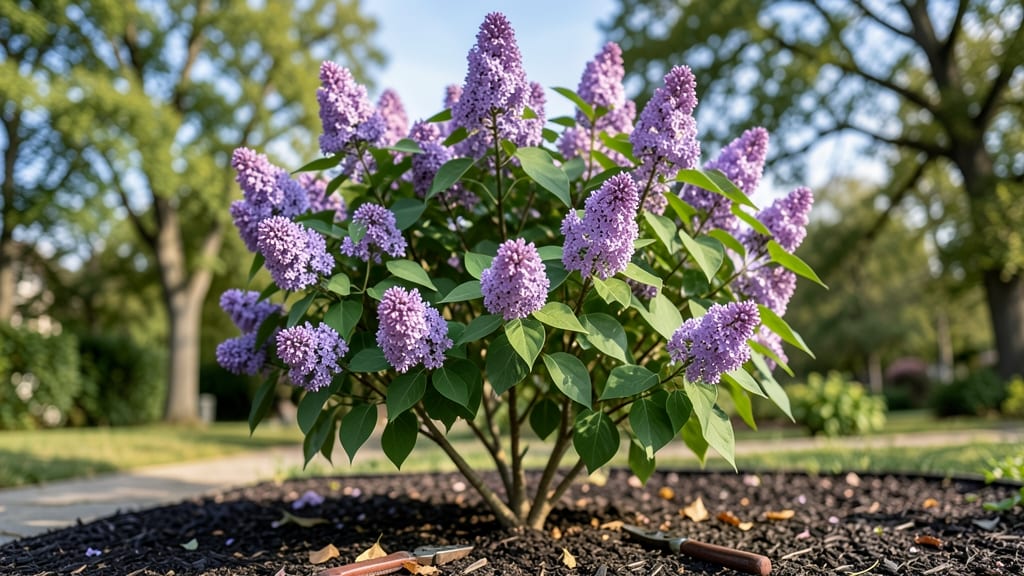
Growing lilacs in partial shade gives you those dreamy purple clouds of fragrance without the full-sun commitment. 🌿 I’ve watched my shade-tolerant lilacs bloom just as beautifully as their sun-loving cousins—proof that these shrubs aren’t picky about light.
The trick lies in choosing the right variety, prepping the soil, and giving them just enough morning sun to fuel their floral fireworks. Most lilacs thrive with 4-6 hours of sunlight daily, ideally in the morning when temperatures are cooler.
My ‘Miss Kim’ lilac in a north-facing spot gets only 3 hours of dappled light and still bursts into deep pink blooms every spring. The key is avoiding dense shade—think filtered light through trees or a spot near a north wall.
Amend your soil with compost to improve drainage, since soggy roots are their biggest enemy. Once established, these shrubs are practically maintenance-free. Water deeply once a week during dry spells, and prune right after flowering to shape them without sacrificing next year’s buds.
The fragrance alone makes the effort worthwhile—imagine stepping into a cloud of sweetness every May. Perfect for small yards, urban gardens, or woodland edges. Here’s how to make yours flourish in less-than-ideal light.
📚 In This Guide
- What you need
- Instructions
- Tips and common mistakes
- Wrapping up and next steps
What you need
- ● Lilac shrubs: Choose Syringa varieties like ‘Katherine Havemeyer’ or ‘Dwarf Jacob’ (1-3 plants, depending on space). Opt for 1- to 3-year-old nursery-grown plants for best results.
- ● Well-draining soil: A mix of topsoil, compost (20-30%), and perlite/sand (10-20%) to prevent root rot.
- ● Organic mulch: 2-3 inches of wood chips or shredded bark to retain moisture and regulate soil temp.
- ● Slow-release fertilizer: 10-10-10 or 5-10-10 NPK ratio (apply 1-2 lbs per 100 sq ft in early spring).
- ● Pruning shears: Bypass pruners (sharp, 6-8 inch blades) for clean cuts.
- ● Watering can or hose with a gentle spray nozzle (lilacs hate soggy roots!).
- ● Garden gloves (to protect hands from thorns and rough bark).
- ● Soil pH test kit (ideal range: 6.0–7.0; amend with lime if needed).
- ● Epsom salt (magnesium sulfate) (1 tbsp per gallon of water) for leaf yellowing issues.
- ● Staking supports (for young, top-heavy plants in windy areas).
- ● Decorative rocks or edging (to define plant beds and deter weeds).
How to grow lilac shrubs in partial shade
Lilacs thrive in partial shade—here’s how to plant them for maximum fragrance and healthy growth.
🌱 Step 1: Choose the Right Location and Soil
Lilacs tolerate partial shade but need at least 4-6 hours of morning sun to bloom well. Avoid deep shade—they’ll grow leaves but few flowers. Test your spot: if it’s shady all day, supplement with a south-facing window or grow light for 2-3 hours daily.
Amend the soil with 2-3 inches of compost before planting. Lilacs prefer well-draining, slightly alkaline soil with a pH of 6.5-7.5. Dig a hole twice as wide as the root ball but only as deep—planting too deep suffocates the roots. Loosen the soil around the edges to encourage root spread.
🪴 Step 2: Plant Lilac Shrubs at the Right Time and Depth
Plant lilacs in early spring or fall, when temperatures are cool but not freezing. This gives roots time to establish before extreme heat or cold. Water the root ball thoroughly before removing it from the container—dry roots shock easily when transplanted.
Place the shrub in the hole so the top of the root ball sits 1 inch above ground level. Backfill with native soil, tamping gently to remove air pockets. Water deeply until moisture reaches 6 inches down. Mulch with 2-3 inches of organic mulch (like wood chips), keeping it 3 inches away from the trunk to prevent rot.
☀️ Step 3: Water and Fertilize for Strong Growth
Water lilacs deeply once a week during the first growing season, ensuring moisture reaches 12 inches deep. After establishment (year 2), they’re drought-tolerant but still need 1 inch of water weekly in dry spells. Overhead watering encourages fungal diseases—always water at the base.
Fertilize in early spring with a balanced 10-10-10 fertilizer or slow-release granules. Avoid high-nitrogen fertilizers—they promote leafy growth at the expense of flowers. Apply ½ cup per shrub and water thoroughly to activate the granules. Stop fertilizing after mid-June to encourage blooming for next year.
✂️ Step 4: Prune for Health and Better Blooms
Prune lilacs immediately after flowering (late spring) to shape the shrub and encourage next year’s blooms. Remove dead, crossing, or weak branches first, cutting back to the nearest healthy bud. Then thin out 10-20% of the oldest stems at ground level—they’re past their prime and won’t rebloom.
Never prune in fall or winter—you’ll cut off next year’s flower buds. Use clean, sharp pruners to make cuts at a 45-degree angle just above a bud. Avoid heavy pruning (more than 30% of the shrub)—lilacs bloom on old wood, and aggressive cuts reduce future flowers. Seal larger cuts with pruning sealant to prevent disease.
🌿 Step 5: Protect and Maintain for Long-Term Beauty
Watch for aphids or borers, common lilac pests. Spray with neem oil or insecticidal soap if you spot sticky residue (aphids) or sawdust-like frass (borers). For fungal issues like powdery mildew, improve airflow by thinning dense branches and apply copper fungicide as a preventive spray in humid climates.
Lilacs are low-maintenance once established, but monitor for yellowing leaves (overwatering or nutrient deficiency) or leaf drop in summer (heat stress). If leaves scorch, provide afternoon shade with a lightweight shade cloth during peak heat. Mulch annually in early spring to retain moisture and regulate soil temperature.
Tips & tricks for perfect lilac shrubs in partial shade
Here's what nobody tells you—these small details make all the difference between a shrub that just survives and one that thrives with fragrant blooms.
Sunlight Strategy: That 4-6 hours of morning sun is non-negotiable for blooms, but here's the trick: position your lilac where it gets the warmest morning rays but afternoon shade. East-facing windows or the north side of your house work perfectly. If you must supplement with grow lights, use them for just 2-3 hours in the morning—longer exposure can stress the plant. I learned this the hard way after watching a lilac struggle with afternoon light burning.
Soil Science: The pH of 6.5-7.5 is crucial, but don't stress about testing kits—most garden centers sell pre-mixed compost that already hits this range. For that extra boost, mix in a handful of crushed eggshells (they're alkaline) when amending your soil. This simple trick helps maintain that perfect pH without complicated testing. The 2-3 inches of compost should be worked into the top 12 inches of soil, not just dumped on top.
Pruning Precision: When thinning those 10-20% oldest stems, look for branches that are thinner than a pencil—they're past their prime. Make your cuts at a 45-degree angle just above a bud that faces outward. This creates a natural growth pattern and prevents those unsightly stubs. I always mark my pruning spots with a piece of tape before cutting to ensure I'm making clean, precise cuts every time.
Watering Wisdom: The deep watering technique is about more than just quantity—it's about timing. Water in the morning so the leaves have all day to dry, preventing fungal diseases. Use a moisture meter to check that water reaches 12 inches deep during the first year. After establishment, let the top 2 inches dry out between waterings—this encourages deep root growth. I've seen lilacs with shallow roots struggle even with weekly watering.
Pro Tips for Lilac Partial Shade
- Here's what nobody tells you—these small details make all the difference between a shrub that just survives and one that thrives with fragrant blooms.
- Sunlight Strategy: That 4-6 hours of morning sun is non-negotiable for blooms, but here's the trick: position your lilac where it gets the warmest morning rays but afternoon shade.
- Soil Science: The pH of 6.5-7.5 is crucial, but don't stress about testing kits—most garden centers sell pre-mixed compost that already hits this range.
Frequently asked questions
Got questions about growing lilacs in partial shade?
You’re not alone! Here are answers to the most common concerns—so you can enjoy those fragrant blooms without the guesswork.
Can lilacs survive in deep shade?
While lilacs can tolerate partial shade, they thrive best with at least 4–6 hours of morning sun. Deep shade (like under dense trees) may lead to sparse blooms or leggy growth. If your yard is shady, opt for early-blooming varieties like ‘Katherine Havemeyer’—they’re more shade-tolerant!
When is the best time to plant lilacs in partial shade?
Plant lilacs in early spring or fall (4–6 weeks before frost) for ideal establishment. Avoid summer heat stress! If your area has harsh winters, spring planting gives roots time to anchor before cold. Pro tip: Amend the soil with compost to boost drainage—lilacs hate soggy roots.
What’s a good alternative if my yard has too little light?
If shade is extreme, try these fragrant, low-light shrubs:
- Deutzia: Delicate white/pink blooms, thrives in shade.
- Pieris japonica: Evergreen with bell-shaped flowers.
- Weigela: Bold pink/purple blooms, tolerates partial shade.
Why aren’t my lilacs blooming in partial shade?
Sparse blooms often mean too little light or over-fertilizing. Prune in late spring (after flowering) to encourage new growth. If soil is poor, add a balanced fertilizer (10-10-10) in early spring. Warning: Avoid high-nitrogen fertilizers—they promote leaves over flowers!
Do lilacs need extra care in partial shade?
Yes! Shady lilacs may need:
- Mulch (2–3 inches) to retain moisture.
- Regular watering (1–1.5 inches/week) during dry spells.
- Pruning to improve airflow and light penetration.
Wrapping up and next steps
Growing lilacs in partial shade isn’t just possible—it’s a fragrant, rewarding adventure that brings beauty to often-overlooked spots in your garden. 🌸 With the right soil, spacing, and a little patience, these hardy shrubs will thrive and fill your space with intoxicating blooms year after year.
Whether you’re a seasoned gardener or just starting out, your lilacs are waiting for you!
Ready to dive in? Start by picking your favorite variety and get those roots in the ground—your future blooms will thank you!