
Blooming
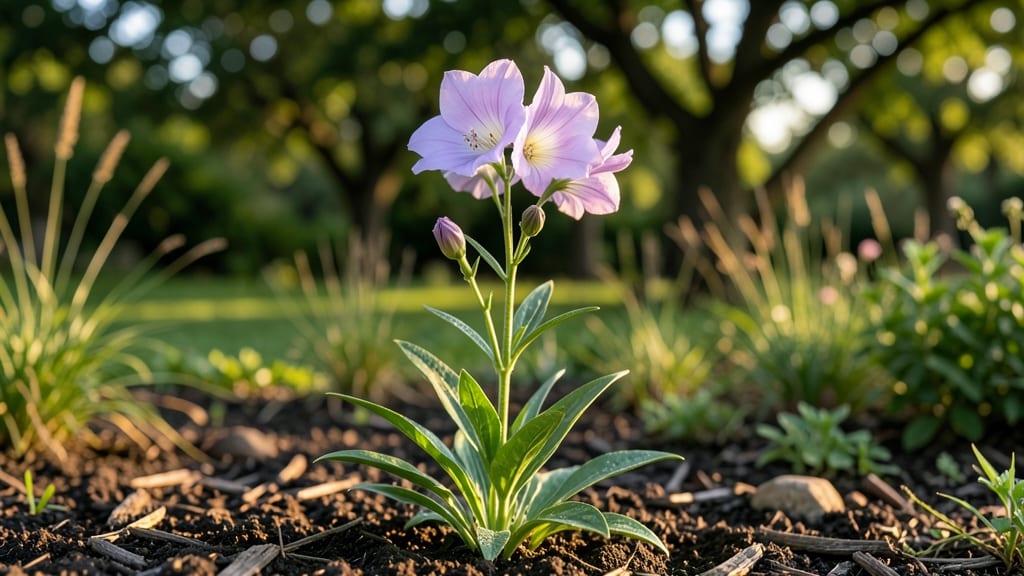
Lisianthus blooms typically arrive between July and October 🌸, but the exact timing depends on your variety, planting window, and climate zone.
If you’ve ever wondered why your lisianthus flowers seem to follow a different schedule—or why some varieties bloom earlier than others—it all comes down to when you planted them and where you live.
For example, in USDA Zone 6a, like many gardeners, you’ll see those first delicate petals unfurl around mid-summer, while warmer zones might enjoy them well into fall.
This guide breaks down the predictable bloom windows for popular varieties, how to adjust your planting schedule for earlier or later flowers, and simple care tweaks to keep those blooms coming all season long.
From extending the bloom period with deadheading to choosing the right varieties for your climate, you’ll learn exactly how to turn your lisianthus into a long-lasting garden star—no guesswork required.
Lisianthus bloom time by variety: months & duration of flowers
Lisianthus, also called eustoma, is a garden favorite for its delicate, long-lasting blooms. But timing matters—some varieties bloom early, while others wait until late summer. Knowing exact bloom periods helps you plan for continuous color. Let’s dive into the best-performing varieties and their flower longevity.
Most lisianthus varieties bloom 7–21 days per flower, but some last longer with proper care. Early bloomers like 'Twinkle Twinkle' start in June and continue through August, while late-season varieties like 'Pink Damask' extend blooms into October.
Your climate zone also plays a role—warmer regions may see blooms 2–4 weeks earlier.
| Variety | Bloom Months | Flower Longevity | Color | Notes |
|---|---|---|---|---|
| 'Twinkle Twinkle' | June–August | 7–10 days | White | Early bloomer; great for cut flowers |
| 'Blueberry Cream' | July–September | 10–14 days | Blue-purple | Mid-season; heat-tolerant |
| 'Pink Damask' | August–October | 14–21 days | Pink | Late bloomer; long-lasting |
| 'Lavender Lace' | July–September | 10–12 days | Lavender | Drought-resistant; great for borders |
| 'Blushing Bride' | June–August | 7–10 days | Blush pink | Early bloomer; compact size |
If you’re growing lisianthus for cut flowers, prioritize varieties like 'Twinkle Twinkle' or 'Pink Damask'. Their longer vase life (up to 21 days) makes them ideal for bouquets.
For continuous garden color, mix early, mid, and late bloomers to ensure non-stop blooms from June to October.
Did you know? Deadheading (removing spent blooms) can extend the next flower’s lifespan by 3–5 days. This simple trick encourages your lisianthus to rebloom faster, giving you more vibrant flowers throughout the season. Just pinch off faded blooms at the base with clean pruning shears.
For cooler climates (USDA Zones 3–6), start seeds indoors in March to ensure blooms appear by mid-June. In warmer zones (7–10), direct sow in April for earlier blooms. Always plant after the last frost date—lisianthus hates cold soil and may rot if planted too soon.
Light also affects bloom time. While lisianthus thrives in full sun (6–8 hours daily), varieties like 'Blueberry Cream' tolerate partial shade in hotter regions. If your garden gets intense afternoon sun, provide afternoon shade to prevent wilting and extended bloom periods.
Watering plays a critical role in flower longevity. Keep soil consistently moist (but not soggy) by watering deeply 2–3 times per week during bloom season. Overwatering can shorten bloom time by causing root rot, while underwatering leads to drooping flowers.
Pro tip: Mulch around plants with 2–3 inches of organic mulch (like straw or shredded leaves) to retain moisture and regulate soil temperature. This helps lisianthus bloom longer by reducing stress from temperature fluctuations.
For extended fall blooms, try 'Pink Damask'—it’s one of the hardiest late-season varieties. Pair it with sunflowers or zinnias to create a stunning autumn display. With the right care, your lisianthus can bloom until the first frost, giving you months of color.
How climate zones shift lisianthus bloom time: USDA Zone guide
Your lisianthus bloom time isn't set in stone—it shifts dramatically based on your USDA hardiness zone. In Zone 7, for example, most varieties burst into color from April to May, while gardeners in Zone 10 enjoy late-season blooms stretching into October or November.
These differences aren't random; they're tied to temperature cues that trigger flowering. Understanding your zone helps you time plantings for peak blooms and even coax extra seasons of flowers.
Lisianthus thrives in zones 6–10, but the timing of its spring blooms varies by 1–2 months between northern and southern climates. For instance, Zone 6 gardeners see their first flowers in May or June, while Zone 9 plants often bloom as early as March.
This shift happens because cooler zones require more heat accumulation before flowering, while warmer zones can push blooms earlier in the season.
If you're in Zone 6 or colder, focus on spring-blooming varieties like 'Twinkle Twinkle' to maximize your short season. These plants need 60–70 days of warm weather to flower, so starting seeds indoors in late winter gives them a head start.
In contrast, Zone 10 gardeners can plant year-round and enjoy two bloom cycles—one in spring and another in fall—by selecting heat-tolerant varieties.
For off-season blooms, try these zone-specific tricks: In Zone 7, use row covers to protect plants from late frosts and extend blooms into June. Meanwhile, Zone 9 gardeners can plant fall seeds for winter color.
The key is matching your planting schedule to your zone's natural temperature patterns—this ensures your lisianthus gets the right cues to flower at the perfect time.
Don't let your zone limit your lisianthus dreams! With the right variety selection and planting timing, you can enjoy blooms year-round in warmer zones or stretch your season by 2–3 months in cooler climates.
Experiment with container growing or season extenders to push the boundaries of what's possible in your garden.