
Orchid Care
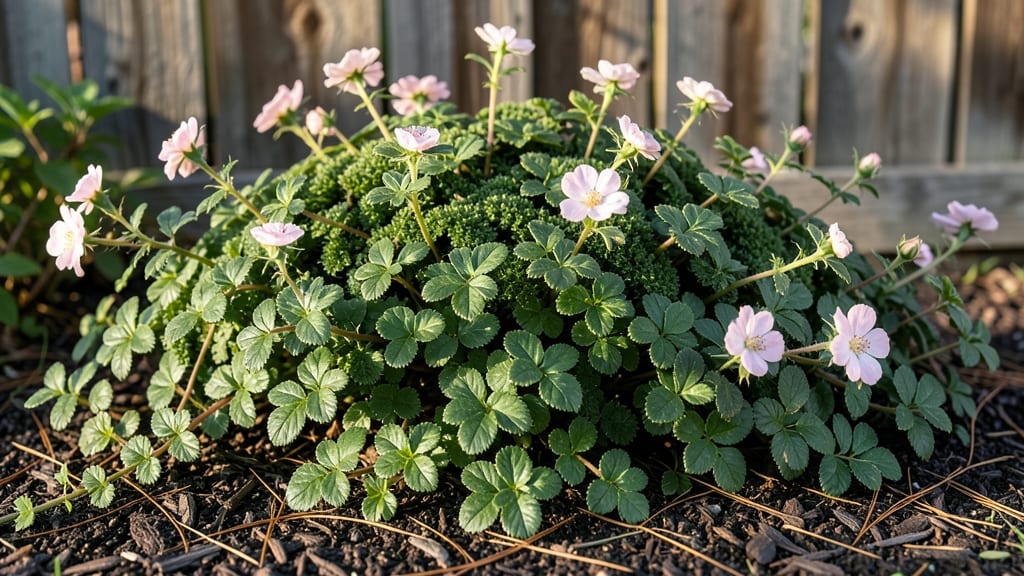
Your moss rose thrives in sun or shade with the right balance — 4 to 6 hours of sunlight is the sweet spot for those stunning 🌸 blooms year-round.
Struggling to keep your moss rose blooming beautifully? Light exposure is the secret weapon—whether your garden gets full sun or deep shade, these delicate flowers can thrive with the right care.
Too much direct sun can scorch the leaves, while too little light means sparse blooms. The key is finding that middle ground where your moss rose gets bright but indirect rays, especially in USDA Zone 6a climates.
Below, I’ll break down how to adapt your care based on sunlight, from pruning tips to soil tricks that keep those flowers popping from June through September.
 Best Window Placement
How sunlight affects moss rose growth and flowering
If you've ever wondered why your moss rose (Portulaca grandiflora) blooms look lackluster or sparse, the answer likely lies in its light exposure. These delicate succulents thrive in conditions that balance sunlight intensity with heat tolerance, making them surprisingly adaptable.
Unlike many flowers, moss roses don't just survive in sun or shade—they adjust their growth patterns based on available light, which directly impacts their flowering cycles and overall health.
Understanding how photosynthesis efficiency changes with light levels helps explain why your moss rose might be struggling. In full sun conditions, these plants maximize energy production, leading to vibrant blooms and compact growth.
However, too much direct afternoon sun can cause leaf scorch or sunburn symptoms, while insufficient light results in leggy stems and fewer flowers. The key is finding that sweet spot where your moss rose gets enough light to thrive without stress.
Here's the science behind it: Moss roses are C4 plants, meaning they're highly efficient at converting sunlight into energy even in hot, dry conditions.
This adaptation allows them to thrive in 6-8 hours of direct sun daily, but they can also tolerate partial shade if protected from harsh afternoon rays. The challenge lies in recognizing the subtle signs of light stress, like yellowing leaves or sparse blooms, before they become permanent problems.
| Light Condition | Daily Sunlight Needs | Growth Impact | Flowering Response | Care Adjustments |
|---|---|---|---|---|
| Full Sun | 6-8+ hours | Compact, bushy | Abundant, vibrant blooms | Morning watering, shade cloth in peak heat |
| Partial Shade | 3-6 hours | Taller stems, fewer branches | Moderate blooms, smaller flowers | Increase fertilizer, prune leggy growth |
| Deep Shade | <2 hours | Leggy, weak stems | Minimal to no blooms | Relocate or supplement with grow lights |
The ideal light balance for moss roses often surprises gardeners. While they can handle full sun exposure, the critical factor is heat management.
In regions with intense afternoon sun (like USDA Zone 9+), providing afternoon shade through sheer curtains or nearby trees prevents leaf burn while still allowing enough light for photosynthesis. I've found that east-facing containers work beautifully—they get gentle morning sun without the harsh afternoon heat.
One common misconception is that moss roses need constant full sun to bloom. In reality, they'll produce flowers in partial shade, though the blooms may be smaller and less frequent. The trade-off is healthier foliage in hot climates.
For example, my pink moss rose in Zone 7 thrives with morning sun and afternoon shade, producing continuous blooms from June through September without any signs of stress.
Recognizing light stress symptoms early can save your moss rose from permanent damage. Yellowing leaves often indicate either too much sun (burn) or insufficient light (nutrient deficiency). Sparse flowering typically means the plant isn't getting enough light for energy production, while wilted stems suggest heat stress from excessive direct sunlight.
I've learned to check the underside of leaves—if they're pale, it's a sign of light deprivation.
Seasonal adjustments are crucial for moss roses in transition climates. In spring, when days are shorter, supplement with a reflective surface (like white gravel) to maximize light. During summer's peak, provide 30-50% shade cloth if temperatures exceed 90°F (32°C).
I once had a red moss rose that nearly died in a heatwave until I moved it under a lattice with sheer fabric—now it's my most reliable bloomer.
For indoor moss roses, grow lights become essential. A full-spectrum LED on a 14-hour timer mimics natural daylight cycles. Place the light 6-12 inches above the plant and adjust based on leaf color—dark green means it's getting enough light, while light green or purple tinges indicate insufficient exposure.
My indoor moss rose gets 4 hours of morning sun plus 10 hours of grow light, resulting in year-round blooms.
Remember that moss roses are succulents, meaning they store water in their leaves. This adaptation helps them survive drought conditions but also makes them more sensitive to overwatering in low-light situations.
In shady conditions, reduce watering by 30-50% since the soil stays moister longer. The key is to monitor soil dryness—stick your finger 1 inch deep
Best light adaptation strategies for moss roses in different climates
Moss roses (Portulaca grandiflora) are famously adaptable, but their light needs shift dramatically depending on where you live. In Mediterranean climates, they bask in 6+ hours of direct sun daily, while in Pacific Northwest forests, they thrive with just 2-3 hours of filtered light.
The key is adapting your care routine to match your local climate's sun intensity and seasonal changes. I've grown moss roses in both full sun and dappled shade—here's what I've learned about making them flourish anywhere.
For hot, dry regions like Arizona or Southern California, moss roses reward you with bold, continuous blooms when given afternoon shade to prevent leaf scorch. In cooler, wetter climates like Seattle or Portland, they'll produce delicate, lush foliage with minimal sunlight.
The secret? Adjusting pruning, mulching, and even watering based on your location's unique light patterns. Let's break down the climate-specific strategies that'll keep your moss roses thriving year-round.
- 🌞 Mediterranean: Provide morning sun + afternoon shade to prevent heat stress; use lightweight mulch to retain moisture.
- 🌧️ Pacific Northwest: Choose east-facing containers for gentle morning light; supplement with grow lights in winter for 4-6 hours/day.
- 🏜️ Desert Southwest: Plant in partial shade cloth (30-50%) to reduce leaf burn; water deeply at dusk to extend bloom season.
- 🌳 Humid Southeast: Ensure airflow around plants to prevent fungal issues in shade; use reflective surfaces to maximize indirect light.
- 🏡 Indoor Growing: Place near south-facing windows or use LED grow bulbs (6400K) for 12-14 hours/day; rotate containers weekly for even growth.
In Mediterranean climates, where summers bring intense sunlight, I've found that pruning spent blooms in late afternoon helps prevent heat damage. The succulent leaves of moss roses store water, but they still need protection from midday sun.
Use 30% shade cloth during peak heat (11 AM–3 PM) to maintain vibrant blooms without sacrificing sunlight. Pair this with gravel mulch to reflect excess heat away from the roots—this combo has extended my moss roses' bloom season by 3-4 weeks in Zone 9.
For shade-loving varieties in climates like the Pacific Northwest, focus on mulching with compost to improve soil fertility, as indirect light reduces photosynthesis efficiency. I've had success growing moss roses under large oak trees by adding a 2-inch layer of mushroom compost annually.
This mimics their natural habitat in dappled forest light while providing the nutrients they crave. In winter, when daylight shrinks, supplement with a 15-watt LED grow light placed 6 inches above the plants for 6 hours/day—this keeps them blooming even in short-day conditions.
Indoor moss roses need special attention since most homes lack natural bright indirect light. Position them within 3 feet of a south-facing window or under T5 fluorescent grow lights for 12-14 hours/day. I rotate my indoor pots quarter-turns weekly to prevent leggy growth toward the light source.
For compact varieties, a small oscillating fan on low setting improves air circulation, which is crucial when light levels drop below 4 hours/day. This mimics outdoor breezes and strengthens stems for better bloom support.
Seasonal adjustments are just as critical as location-based strategies. In spring and fall, when temperatures moderate, moss roses adapt well to full sun exposure—this is prime time for heavy blooming. But during summer heatwaves, even sun-loving varieties need afternoon shade.
I've seen moss roses in Zone 7 gardens wilt dramatically when moved from partial shade to full sun during 90°F+ days. The fix? Provide dappled shade via sheer curtains or lattice screens and increase watering to every 2-3 days during heatwaves.
Remember, moss roses are succulents at heart, so their light needs are more flexible than most flowers. The golden rule: Observe your plants. If leaves turn yellow or purple, they're getting too much sun; if growth stunts and blooms sparse, they need more light.
With these climate-specific tweaks, your moss roses will reward you with year-round color, no matter where you garden. 🌸