
Orchid Care
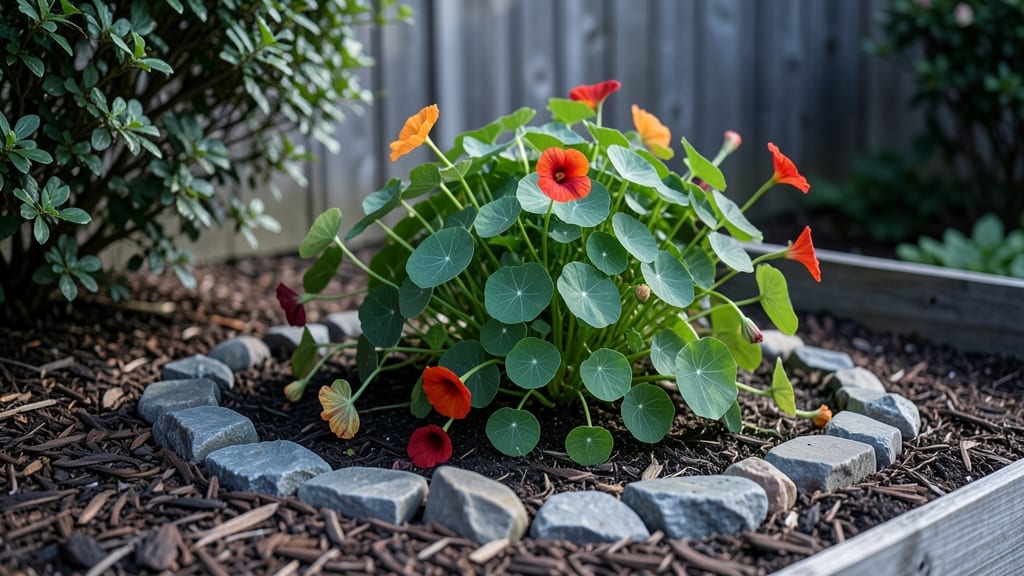
Nasturtiums thrive in sun or shade with the right variety and care, transforming your garden into a vibrant, edible display 🌸.
Want bold blooms that pop in your space, whether you’ve got a sun-drenched patio or a shady corner? The key is choosing the right nasturtium type—some varieties bask in full sun, while others happily stretch toward partial shade.
I’ll show you how to pick the perfect one for your light conditions and keep them flourishing all season.
Sun-loving nasturtiums like 'Jewel Mix' pack in more intense color and flavor, while shade-tolerant types like 'Alaska' stay lush without wilting. Regional tweaks matter too—hot climates need afternoon shade, while cooler zones can handle full sun.
You’ll also discover how light affects everything from growth speed to pest resistance, so you can grow nasturtiums that are as tough as they are beautiful.
Ready to grow nasturtiums that shine in your garden? I’ll walk you through the best varieties for your light, simple care tips, and even how to use them in salads or as natural pest control. Let’s get those edible blooms thriving!
 Best Window Placement
Best nasturtium varieties for full sun vs partial shade gardens
Nasturtiums are one of my favorite edible flowers because they thrive in both sun and shade, adding vibrant color and peppery flavor to any garden. The key to success?
Choosing the right variety for your light conditions. Sun-loving nasturtiums produce bold blooms and robust growth, while shade-tolerant types offer milder flavors and delicate foliage. Let’s explore the best options for your garden’s unique lighting.
For full sun gardens (6+ hours of direct light), varieties like ‘Jewel Mix’ and ‘Empress of India’ shine with their intense blooms and vigorous growth. These types develop stronger peppery flavors and resist pests better in bright conditions.
In contrast, partial shade varieties like ‘Alaska’ and ‘Maestro Orange’ adapt well to 3-4 hours of filtered light, producing softer, more tender leaves perfect for salads.
| Variety | Sunlight Needs | Growth Habit | Bloom Color | Edible Benefits |
|---|---|---|---|---|
| Jewel Mix | Full Sun | Trailing, 12-24" | Orange, Red, Yellow | Bold peppery leaves, pest-repellent |
| Empress of India | Full Sun | Bushy, 18-36" | Deep Red | Large edible flowers, high yield |
| Alaska | Partial Shade | Trailing, 10-18" | Cream, Yellow | Mild flavor, great for containers |
| Maestro Orange | Partial Shade | Bushy, 12-24" | Orange | Sweet-tasting leaves, compact growth |
| Peach Melba | Full Sun to Partial Shade | Trailing, 12-18" | Peach | Versatile, great for borders |
If you’re growing nasturtiums in full sun, prioritize varieties like ‘Jewel Mix’ or ‘Empress of India’ for their vibrant blooms and pest resistance. These types thrive in hot climates and produce more flowers and leaves for harvesting.
The trade-off? Their peppery flavor intensifies in direct sunlight, which some gardeners love for culinary uses.
For partial shade gardens, opt for ‘Alaska’ or ‘Maestro Orange’ to avoid leggy growth and weak stems. These varieties handle 3-4 hours of morning sun beautifully, making them ideal for woodland gardens or under trees.
Their milder taste works well in delicate salads or garnishes, and they’re less likely to bolt in heat.
Don’t overlook ‘Peach Melba’, a versatile hybrid that adapts to both sun and shade. It’s perfect for containers or hanging baskets and produces sweet, edible blooms that attract pollinators. This variety is my go-to for small spaces or balconies where light conditions vary throughout the day.
When planting, remember that soil moisture plays a role in sunlight tolerance. In full sun, nasturtiums need well-draining soil to prevent root rot, while shade varieties appreciate slightly moister, richer soil to support their tender growth. A light mulch helps retain moisture without smothering roots.
For edible benefits, sun-grown nasturtiums pack a spicier kick, while shade-grown types offer a gentler, sweeter taste. Try harvesting both types to experiment with flavors in your garden-fresh dishes.
How to maximize nasturtium growth in low-light or high-sun conditions
Nasturtiums are remarkably adaptable, but their growth rate and bloom intensity vary dramatically based on sunlight. In full sun, they produce bold, peppery flowers and lush foliage, while partial shade slows growth but extends their season in hot climates.
The key lies in understanding their light tolerance limits and adjusting care accordingly.
For sun-loving varieties, aim for 6+ hours of direct light daily, especially in cooler zones. In shadier spots, choose trailing types like 'Alaska' that thrive with 3-4 hours of filtered light. Both scenarios require well-draining soil and consistent moisture to prevent stress.
⚠️ Sunburn vs. Leggy Growth
Full sun can scorch leaves if soil stays dry, while low light causes spindly stems and sparse blooms. The fix? Morning sun avoids afternoon heat, and mulch retains moisture. In shade, use reflective surfaces (like white gravel) to boost light exposure.
Start with loamy, slightly acidic soil (pH 5.5-6.5) amended with compost to improve drainage. Nasturtiums hate soggy roots, so raise beds in clay-heavy soils or add perlite. In containers, use fast-draining mixes with cactus/succulent blends to prevent rot.
Watering needs shift with light: Sunny plants need deep watering 2-3x weekly, while shade-grown ones thrive on weekly light watering. Always water at soil level to avoid fungal issues. Drip irrigation is ideal—it keeps leaves dry and delivers steady moisture.
Companion planting boosts growth: Pair nasturtiums with tomatoes (they deter pests) or cucumbers (they shade roots). Avoid planting near potatoes, which compete for nutrients. In shade, interplant with hostas or ferns to create a lush understory.
Seasonal tweaks matter most. In summer heat, provide afternoon shade cloth (30-50% shade) to prevent wilting. In cool climates, extend the season by mulching heavily and choosing trailing varieties that sprawl over soil to insulate roots.
Prune regularly to encourage compact growth and continuous blooms. Pinch back leggy stems in shade, and deadhead spent flowers in sun to redirect energy. With these adjustments, your nasturtiums will flourish—whether basking in golden sunlight or thriving in dappled shade. 🌿💧☀️