
Flowers
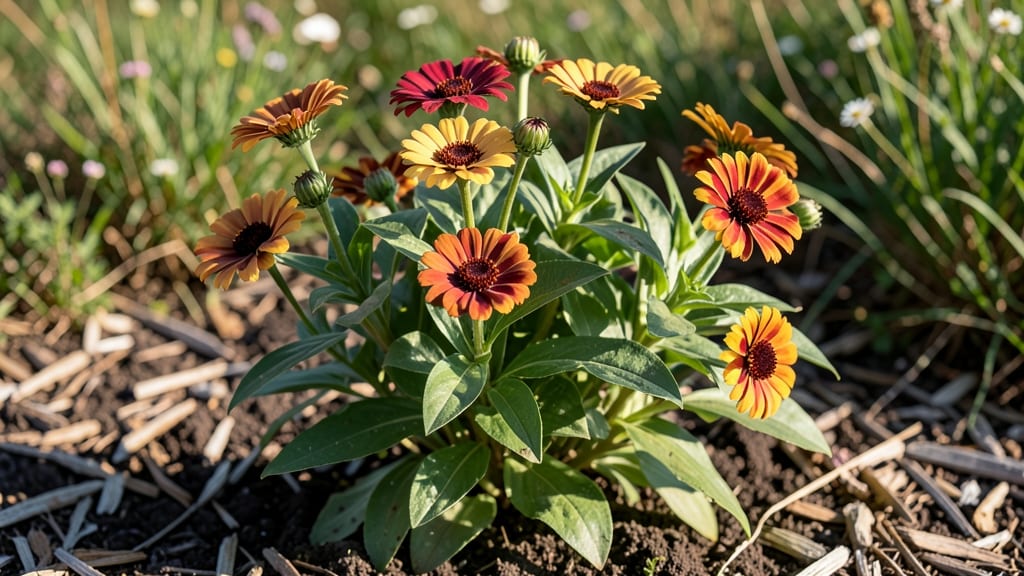
Zinnia flowers thrive in either full sun or partial shade 🌼, but the right variety and care can make all the difference in your garden’s bold blooms.
Picture this: you’ve spent weeks nurturing your zinnias, only to watch them stretch toward the light or fade into lackluster blooms. The truth is, zinnias are surprisingly adaptable—but their success depends on matching their needs to your garden’s conditions.
From sun-loving giants like 'Benary’s Giant' to shade-tolerant dwarfs like 'Lilliput,' there’s a zinnia for every spot in your yard. I’ll break down which types flourish where, how to adjust spacing and pruning for maximum impact, and even how to transition them between light exposures without stressing the plants.
By the end, you’ll know exactly how to coax vibrant, long-lasting blooms—no matter whether your zinnias are basking in 6+ hours of sun or tucked into a partially shaded corner.
 Best Window Placement
Best zinnia varieties for full sun gardens
If you're dreaming of bold, sun-drenched zinnia blooms that last all summer, you're in the right place. Full-sun zinnias thrive with 6+ hours of direct sunlight and reward you with vibrant, long-lasting flowers.
The key? Choosing the right variety for your hot, sunny garden spots and giving them the care they crave.
These sun-loving zinnias don't just survive in intense heat—they flourish, producing larger blooms and sturdier stems than their shade-tolerant cousins. Whether you're filling a cutting garden or adding height to a sunny border, these varieties will deliver the dramatic color you're after.
Here's a quick comparison of the top full-sun zinnias to help you pick the perfect fit for your garden:
| Variety | Height Range | Bloom Size | Color Palette | Key Features |
|---|---|---|---|---|
| Benary's Giant | 3-4 ft | 4-5 in | Red, pink, yellow, orange | Classic dinnerplate blooms, heat-tolerant, cutting garden favorite |
| State Fair | 2-3 ft | 3-4 in | Red, pink, gold, bi-color | Disease-resistant, long blooming, great for containers |
| Crystal | 1-2 ft | 2-3 in | White, pink, red, lavender | Compact growth, delicate petals, butterfly magnet |
| Envy | 2-3 ft | 3-4 in | Green, lime, chartreuse | Unique foliage, heat-loving, modern look |
| Profusion Series | 1-2 ft | 2-3 in | Multi-color blends | Mass planting, drought-tolerant, continuous blooms |
For maximum sun exposure, plant your zinnias where they'll receive morning sun and afternoon shade if you're in a hot climate zone (like zones 8-10). This prevents heat stress while still giving them the 6+ hours of light they need to thrive.
Pro tip: Deadhead spent blooms regularly to encourage non-stop flowering all season. I like to do this first thing in the morning when the blooms are fresh and dew-free. This simple step can extend your zinnias' bloom time by 30-50%!
When it comes to soil preparation, these sun-lovers prefer well-draining soil with a pH between 6.0-7.0. Amend your garden beds with compost or aged manure before planting to give your zinnias a nutrient boost that translates to bigger, brighter blooms.
Watering is another key to sunny zinnia success. While they're drought-tolerant once established, young plants need consistent moisture to prevent wilting or bolting. Aim for 1 inch of water per week, delivered at the base of the plant rather than overhead.
For extra heat protection, consider using mulch around the base of your plants. A 2-3 inch layer of straw or shredded leaves
Shade-tolerant zinnia types and growing tips
If your garden only gets partial shade—like dappled light under trees or a north-facing patio—don’t give up on zinnias! While most varieties crave full sun, specific shade-tolerant zinnias like 'Lilliput' and 'Profusion' can still deliver vibrant blooms with the right care.
The key is choosing the right variety and adjusting your growing approach to prevent leggy stems and maximize flower production.
Zinnias in partial shade won’t grow as tall or produce as many blooms as their sun-loving cousins, but with proper spacing and soil prep, you can still enjoy cheerful, long-lasting flowers.
Start by selecting dwarf or semi-dwarf varieties designed for lower light, like 'Crystal Red' or 'Thumbelina', which stay compact even in shadier spots. These varieties thrive with 3-4 hours of direct light per day, making them ideal for woodland gardens or container growing in shady corners.
Shade-Tolerant Zinnias: Pros & Cons
- Compact growth (8-18 inches tall)
- Longer vase life in cut flowers
- Resistant to powdery mildew (common in shade)
- Ideal for containers and small spaces
- Fewer blooms than sun-grown zinnias
- Leggy stems if light is too low
- Slower growth in deep shade
- Requires frequent deadheading to encourage flowers
To keep your shade-grown zinnias thriving, focus on well-draining soil mixed with compost to provide nutrients. Amend heavy clay or sandy soil with organic matter like peat moss or coconut coir to improve moisture retention and aeration.
Plant seeds ¼ inch deep, spacing them 6-12 inches apart depending on the variety—dwarf types need less room, while semi-dwarf varieties benefit from wider spacing to prevent overcrowding.
When it comes to light adjustments, avoid placing zinnias in deep shade (less than 3 hours of light), as this will lead to elongated stems and sparse blooms. Instead, position them where they receive morning sun and filtered afternoon light.
If your garden is particularly shady, consider using a reflective surface, like a white wall or garden mirror, to bounce extra light onto the plants. This simple trick can boost flower production by up to 30%.
Don’t forget to deadhead spent blooms regularly—this encourages more flowers and keeps your zinnias looking their best. Pinch back leggy stems by cutting them back to a leaf node to promote bushier growth.
In containers, use a balanced fertilizer (like 5-10-10) every 4-6 weeks to support growth, but avoid over-fertilizing, which can lead to foliar diseases in humid shade conditions.
With the right shade-tolerant varieties and a few adjustments to your growing routine, you can enjoy bright, cheerful zinnias even in partial shade. Try mixing 'Profusion' zinnias with coleus or heuchera for a stunning shade garden that blooms all season long. Happy gardening!