
Flowers
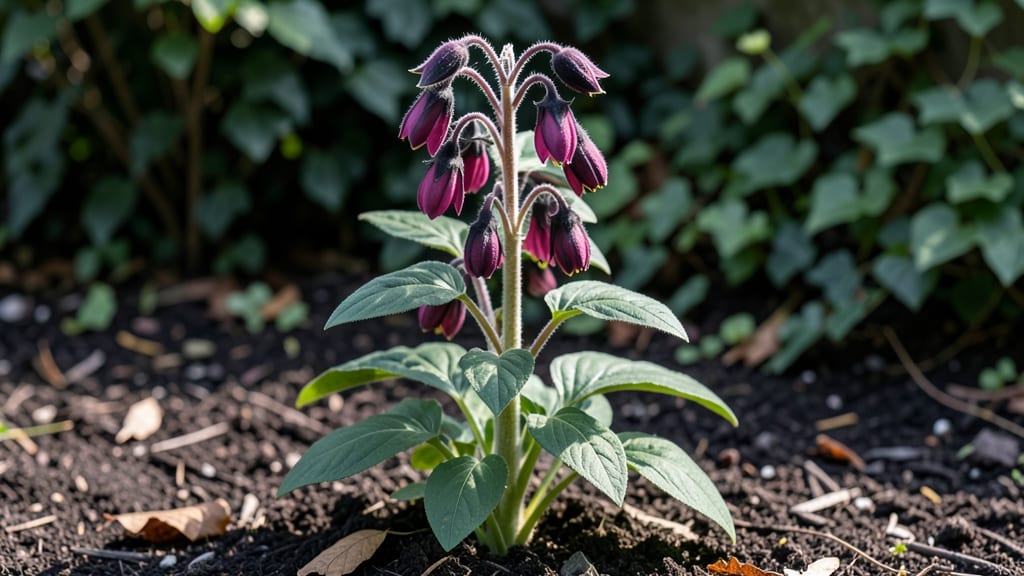
Nightshade poisonous flowers—like those from the Solanum genus—contain toxic alkaloids such as solanine and atropine, which can cause severe symptoms including nausea, hallucinations, or even death if ingested. Skin contact may also trigger irritation, requiring immediate removal and medical attention if exposed.
These dangerous plants—common in gardens and wild landscapes—pose serious risks because their toxins disrupt the nervous system. 🌿 For example, atropine can cause dilated pupils, rapid heartbeat, and confusion, while solanine may lead to vomiting or paralysis in severe cases.
Even touching them can irritate skin or eyes, so gloves and long sleeves are essential when handling or removing them. The key to safety lies in proper identification and immediate action if exposure occurs.
Many gardeners accidentally confuse nightshade varieties with edible relatives like tomatoes or eggplants, which belong to the same family but lack the same toxicity levels. Always double-check plant labels or consult a local botanist before handling unfamiliar species.
If you suspect ingestion or contact, wash the affected area thoroughly with soap and water, then seek medical help right away.
💡 In This Article
- Toxic Alkaloids in Nightshade Flowers: How They Affect Humans and Pets
- Safety Protocols for Handling Nightshade Plants in Gardens
Toxic alkaloids in nightshade flowers: how they affect humans and pets
The toxicity of nightshade flowers stems from three primary alkaloids: solanine, atropine, and scopolamine. Solanine acts as a neurotoxin that disrupts cell membranes, particularly in the gastrointestinal tract and nervous system. Atropine, meanwhile, blocks acetylcholine receptors, causing symptoms like dilated pupils and rapid heartbeat.
Scopolamine, found in species like deadly nightshade (Atropa belladonna), can induce hallucinations even in small doses—just 0.005 grams may trigger severe reactions in children.
These compounds don't work alone—they create a synergistic effect. For instance, solanine's gastrointestinal irritation can lead to vomiting, which then increases absorption of atropine through the mouth's mucous membranes. 🌿 In pets, even smaller doses can be fatal because their bodies process these toxins more slowly.
A 10-pound dog might experience seizures after ingesting just one berry from a deadly nightshade plant, while humans would need to consume far more to reach lethal levels. The key difference lies in body weight and metabolic rate.
The nervous system bears the brunt of nightshade poisoning. Atropine and scopolamine cross the blood-brain barrier, disrupting neurotransmitter balance and causing confusion or delirium. Solanine's membrane-disrupting effects can lead to muscle weakness or paralysis in extreme cases.
What's alarming is how quickly symptoms appear—within 30 minutes to 2 hours after ingestion—though some effects may linger for days, especially with scopolamine's long half-life in the body.
Not all nightshades are equally dangerous. For example, black nightshade (Solanum nigrum) contains solanine but rarely causes fatalities unless consumed in large quantities (typically 50-100 grams of leaves). Meanwhile, deadly nightshade's berries contain 0.3-0.5% atropine by weight, making them far more lethal.
This variance explains why some gardeners accidentally poison pets while others handle plants safely—proper identification is critical.
Long-term exposure risks are less documented but include neurological damage from chronic low-dose poisoning. Some studies suggest repeated skin contact may cause dermatitis or allergic reactions over time. 💫 The most immediate danger, however, comes from accidental ingestion during foraging or gardening mishaps—where misidentification leads to tragic outcomes.
Understanding these mechanisms helps explain why medical professionals often treat nightshade poisoning with activated charcoal (to absorb toxins) and supportive care rather than antidotes. The body's natural detox pathways can handle small exposures, but the speed of symptom onset means rapid response is everything.