
Orchid Care
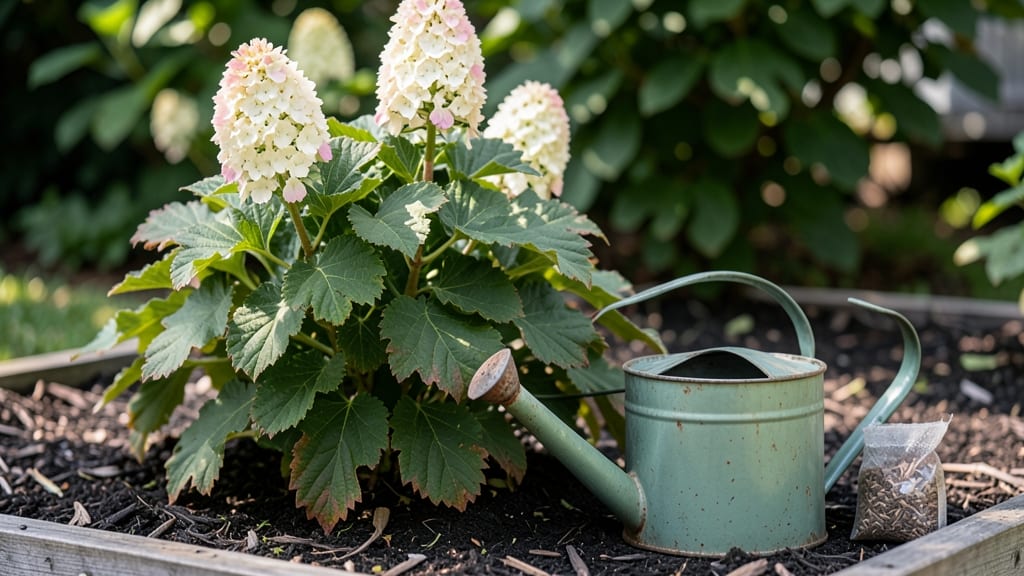
Oakleaf hydrangea thrives best in partial shade 🌸, but the right balance of sun or shade can transform its fall foliage and summer blooms into showstoppers.
Want your oakleaf hydrangea to burst into stunning fall foliage and summer blooms? The battle between sun and shade can make or break its performance—and here’s how to win it.
Too much direct sun can scorch those beautiful leaves, while too little light weakens growth and reduces flowering. The key is finding that sweet spot where your plant gets just enough morning sun to fuel its energy without the afternoon heat stress.
In this guide, I’ll break down exactly how much light your oakleaf hydrangea needs, which varieties handle sun best, and how to adjust care based on your garden’s conditions for maximum impact.
 Best Window Placement
How sunlight affects oakleaf hydrangea bloom time and foliage color
Oakleaf hydrangeas thrive on sunlight, but too much or too little can dramatically alter their bloom timing and foliage intensity. These shrubs are famous for their vibrant fall colors, but achieving that showstopping display depends entirely on light exposure.
Understanding the ideal sunlight range for your oakleaf hydrangea will help you time those summer blooms and autumn foliage perfectly.
In full sun, oakleaf hydrangeas produce earlier and more abundant blooms, but their foliage may scorch in hot climates. Conversely, too much shade delays flowering and dulls leaf colors.
The key lies in finding that sweet spot of partial shade, where your plant gets morning sun and afternoon shade—especially in zones with intense summer heat. This balance ensures both healthy blooms and rich fall foliage.
Did you know? Oakleaf hydrangeas in partial shade often develop deeper reds and purples in their fall foliage, while those in full sun may lean toward brighter greens and yellows. The pH of your soil also interacts with light exposure to influence color, but sunlight is the primary driver. Let’s break down how to optimize your plant’s performance based on its light conditions.
| Light Condition | Bloom Time | Foliage Color Intensity | Plant Health Risks |
|---|---|---|---|
| Full Sun (6+ hours/day) | Earlier blooms (June-July) | Brighter greens/yellows; less vibrant fall colors | Leaf scorch, drought stress |
| Partial Sun (3-6 hours/day) | Balanced blooms (July-August) | Rich reds/purples in fall; vibrant year-round | Minimal stress; optimal growth |
| Partial Shade (2-3 hours/day) | Delayed blooms (August-September) | Deepest fall colors; muted summer foliage | Leggy growth, fewer blooms |
| Full Shade (<2 hours/day) | Sparse or no blooms | Pale, weak foliage | Stunted growth, poor health |
If you’re in a hot, southern climate, aim for morning sun only—this prevents leaf burn while still encouraging blooms. In cooler northern regions, your oakleaf hydrangea can handle more afternoon sun without stress.
Always monitor your plant’s leaf color and growth pattern to adjust its position as needed. For example, if leaves turn brown and crispy, it’s getting too much sun; if they’re pale and sparse, it needs more light.
Another critical factor is seasonal light changes. Oakleaf hydrangeas planted in partial shade will often produce their most vibrant fall foliage because the reduced sunlight triggers anthocyanin production—the pigments responsible for those stunning reds and purples.
To maximize this effect, avoid pruning in late summer, as new growth stimulated by pruning can delay or reduce fall color development.
For gardeners in urban areas with limited space, container-growing oakleaf hydrangeas can adapt to filtered light from east-facing windows. However, these plants will require supplemental light in winter to maintain health. Use a grow light for 4-6 hours daily during shorter days to prevent weak, leggy growth.
In ground-planted shrubs, mulch heavily around the base to retain moisture and regulate soil temperature, which further supports vibrant foliage.
Pro tip: If your oakleaf hydrangea isn’t blooming on schedule, check its light exposure first. A simple fix like moving it to a sunnier spot (or providing afternoon shade) can shift bloom time by weeks.
Similarly, if your fall colors are lackluster, increasing morning sunlight while protecting from hot afternoon rays can dramatically improve their intensity. The right balance of light ensures your hydrangea becomes the star of your garden in every season.
Remember, oakleaf hydrangeas are versatile plants, but they’re not one-size-fits-all. Experiment with light adjustments in small increments—like moving a container plant a few feet closer to or farther from a light source—and observe the results.
Over time, you’ll find the perfect sunlight recipe for your specific climate and variety. With the right light, your oakleaf hydrangea will reward you with show-stopping blooms and fall foliage that turns heads every year. 🌿
Best oakleaf hydrangea varieties for sun vs. shade gardens
Choosing the right oakleaf hydrangea variety depends on your garden's light conditions. While these plants are famously adaptable, some cultivars thrive in full sun while others prefer partial shade or even deep shade.
Let's explore the top performers for each scenario to maximize those iconic fall foliage colors and summer blooms.
For sun-loving varieties, look for cultivars with thicker leaves and deeper green tones. These types handle 4+ hours of direct sun daily without scorching. In contrast, shade-tolerant varieties often feature lighter foliage and may bloom slightly later in the season.
Understanding these differences helps you select the perfect plant for your garden's microclimate.
🌱 Oakleaf Hydrangea Varieties by Light Requirements
'Snow Queen' is my top recommendation for sun exposure. This variety handles full sun gardens beautifully and produces lush burgundy foliage in fall. Its large blooms appear from mid-summer through fall, making it a showstopper. Just be sure to water deeply during dry spells to prevent leaf scorch.
For shady spots, 'Amethyst' is a standout. Its purple-tinged leaves add unique color year-round, and it blooms earlier than most varieties. This makes it perfect for woodland gardens or areas under tall trees. The trade-off? You'll get slightly smaller blooms compared to sun-loving types.
Don't overlook pruning adjustments based on light conditions. Sun-loving varieties need light pruning to maintain shape, while shade varieties often benefit from minimal pruning to preserve their delicate form. Always prune after blooming to avoid cutting off next year's flowers.
Pro tip: Test your garden's light conditions before planting. Use a sunlight tracker for a week to determine if your spot gets morning sun, afternoon shade, or something in between. This helps you match the perfect oakleaf hydrangea to your space.