
Light Requirements
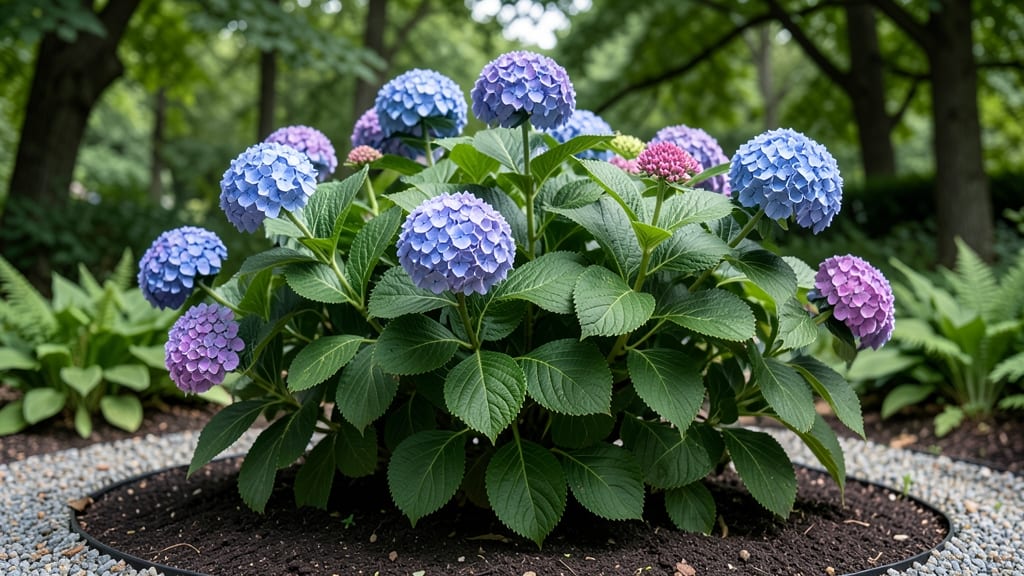
Part shade flowering shrubs are the unsung heroes of shaded gardens—fragrant, drought-tolerant, and impossible to kill. 🌿 I’ve filled my north-facing yard with these tough beauties, and they’ve never once complained about the dappled light or occasional dry spell.
The key is choosing shrubs that love morning sun but can handle afternoon shade, like hydrangeas or azaleas, which reward you with bold blooms all season long.
These shrubs thrive where sun-loving plants fail, making them perfect for patios, woodland edges, or under trees. Most need well-draining soil and occasional watering to establish roots, but once settled, they’re shockingly low-maintenance.
Think hydrangeas with their paper-doll blooms or sweetly scented abelia that hummingbirds adore—both bring color without demanding full sun.
By mid-summer, your garden will burst with vibrant blooms that shift colors with the seasons. The foliage stays lush even in heat waves, and the fragrance lingers long after the flowers fade. These shrubs are the backbone of a low-stress, high-impact garden—beautiful, practical, and built to last.
Whether you’re lining a walkway or filling a shady corner, these shrubs deliver year-round interest with minimal fuss. Start with a few drought-tolerant varieties, and you’ll wonder why you ever planted sun-lovers at all.
📚 In This Guide
- What you need
- Instructions
- Tips and common mistakes
- Wrapping up and next steps
What you need
- ● Part-shade flowering shrubs: Choose from drought-tolerant varieties like hydrangeas, azaleas, or abelia (3–5 plants, depending on garden size).
- ● High-quality potting soil or native soil mix: 2–3 bags (1 cubic yard per 100 sq. ft.). Opt for well-draining, organic-rich soil (e.g., Miracle-Gro Garden Soil or a 60/40 mix of topsoil/compost).
- ● Organic mulch: 1–2 bags (shredded bark or pine straw for moisture retention).
- ● Slow-release fertilizer: 1–2 bags (10-10-10 or rose-specific formula).
- ● Garden gloves (1 pair, heavy-duty for thorny plants).
- ● Hand trowel or transplant spade (for digging small holes).
- ● Garden fork or shovel (for amending soil).
- ● Watering can or hose with nozzle (gentle spray setting for new plants).
- ● Pruning shears (sterilized, for shaping after planting).
- ● Soil pH tester (to ensure ideal 5.5–6.5 range for acid-loving shrubs like azaleas).
- ● Epsom salt (1 lb for magnesium boost, especially for hydrangeas).
- ● Drip irrigation kit (for consistent moisture in dry spells).
- ● Mulch volcano blocker (to keep mulch away from stems).
How to select and plant part-shade flowering shrubs for year-round interest
Here’s how I choose and establish fragrant, drought-tolerant shrubs that bring color to shady spots without fuss.
🌿 Step 1: Choose the Right Shrubs for Your Microclimate
Start by assessing your site’s shade conditions—dappled light (3-6 hours of filtered sun) suits most flowering shrubs, while deep shade (under 3 hours) limits options to shade-tolerant varieties like hydrangeas or pieris. I prioritize plants with fragrant blooms (like mock orange or abelia) or long bloom seasons (e.g., azaleas, rhododendrons) to maximize visual impact.
Check your USDA hardiness zone—some shrubs (e.g., camellias) thrive only in zones 7-9, while others (like elderberry) adapt to zones 3-8. Drought-tolerant picks like weigela or spirea need well-draining soil but handle dry spells better than moisture-loving hydrangeas. Label your choices by bloom time (spring, summer, fall) to ensure continuous color.
🪴 Step 2: Prepare the Planting Site for Optimal Growth
Dig a hole twice as wide as the root ball but no deeper—planting too deeply suffocates roots and causes stress. Amend the native soil with 2-3 inches of compost mixed into the bottom of the hole to improve drainage and fertility. If your soil is heavy clay, add a handful of perlite or sand to the mix—this prevents root rot, especially for moisture-sensitive shrubs like deutzia or fothergilla.
Water the hole thoroughly before planting to settle the soil. For acid-loving shrubs (azaleas, rhododendrons), mix in peat moss or sulfur to lower the pH to 5.0-6.0. Test your soil’s pH first—amending after planting is far less effective. Space shrubs 3-6 feet apart, depending on mature size, to allow airflow and reduce disease risk.
💧 Step 3: Plant and Water for Immediate Establishment
Gently remove the shrub from its container and loosen any circling roots with your fingers—this encourages outward growth instead of girdling. Place the root ball in the hole so the top of the root flare (where roots meet stem) sits 1 inch above soil level. Backfill with native soil mixed with compost, tamping lightly every 2 inches to eliminate air pockets.
Water deeply immediately after planting—aim for 1-2 gallons per shrub—to help soil settle around roots. Use a soaker hose or drip irrigation to avoid disturbing the soil surface. Mulch with 2-3 inches of shredded bark or pine needles, keeping it 6 inches away from the stem to prevent rot. Water every 2-3 days until new growth appears (usually 4-6 weeks), then taper to once a week unless drought occurs.
☀️ Step 4: Maintain for Long-Term Health and Blooms
Prune immediately after flowering (for spring bloomers like lilac) or in late winter (for summer bloomers like abelia) to shape the shrub and encourage dense growth. Remove dead, diseased, or crossing branches first—this improves airflow and reduces pests. Thin out overcrowded stems to maintain an open center, which prevents fungal issues in humid shade.
Fertilize once in early spring with a slow-release, balanced fertilizer (10-10-10) or an organic option like composted manure. Avoid high-nitrogen fertilizers—they promote leafy growth at the expense of flowers. Monitor for aphids or spider mites, common in shade-grown shrubs, and treat with neem oil if infestations appear. Most part-shade shrubs need minimal pruning beyond annual cleanup, but hydrangeas benefit from deadheading spent blooms to encourage reblooming.
⏰ Step 5: Plan for Seasonal Care and Renewal
In fall, apply a 2-inch layer of mulch to insulate roots and retain moisture. For tender shrubs (like camellias in zones 6 and colder), wrap the base with burlap or use frost blankets during hard freezes. Prune winter-damaged branches in early spring once new growth begins—never prune in late fall, as this invites disease.
Every 3-5 years, refresh the soil with compost and check for compaction. If blooms fade or growth slows, it’s time to transplant or divide overgrown shrubs. I’ve found that rejuvenating prunes (cutting back 1/3 of old wood) in late winter can revive 10-year-old shrubs like spirea or weigela, giving them a second youth. Rotate varieties seasonally—swap out spring azaleas for fall-blooming camellias to keep interest year-round.
Tips & tricks for perfect part-shade flowering shrubs
Here's what I've learned from years of trial and error—these details make all the difference when working with shade-loving plants.
Microclimate Matching: The 3-6 hours of dappled light mentioned in Step 1 is your golden range, but don't assume all shade is equal. East-facing spots get morning sun, while west-facing areas get afternoon heat—both affect moisture evaporation. I've found that fragrant varieties like mock orange actually thrive with slightly more light (closer to 5-6 hours), while hydrangeas can handle the deeper shade (under 3 hours) but may need more frequent watering to compensate.
Soil Testing Before Planting: That 2-3 inches of compost in Step 2 is essential, but don't skip the pH test first. I've planted acid-loving shrubs in neutral soil before and watched them struggle—especially rhododendrons, which need that 5.0-6.0 pH to access nutrients. For a quick test, use a DIY kit from your garden center. If you're dealing with clay soil, mix in perlite at planting time to prevent compaction that can suffocate roots during the critical 4-6 week establishment period.
Watering Strategy: The 1-2 gallons per shrub immediately after planting is non-negotiable, but here's the follow-up: after that initial soaking, I switch to a deep watering schedule that mimics natural rainfall. Water in the morning to reduce evaporation, and always water at the base—not overhead—to prevent fungal diseases common in shaded areas. For the first 4-6 weeks, check soil moisture by sticking your finger 2 inches down—if it's dry, water again. Mulch helps retain moisture, but don't let it sit against the stem where it can cause rot.
Pruning Precision: That late winter timing for summer bloomers in Step 4 is crucial, but here's what I've learned about execution: when you're cutting back 1/3 of old wood for rejuvenation, focus on removing branches that cross or rub against each other. These create wounds that invite pests. And for hydrangeas specifically, deadheading spent blooms isn't just about looks—it redirects the plant's energy from seed production back into next season's buds. I've seen reblooming hydrangeas produce 30% more flowers when I deadhead consistently.
Pro Tips for Part Shade Flowering Shrubs
- Here's what I've learned from years of trial and error—these details make all the difference when working with shade-loving plants.
- Microclimate Matching: The 3-6 hours of dappled light mentioned in Step 1 is your golden range, but don't assume all shade is equal.
- Soil Testing Before Planting: That 2-3 inches of compost in Step 2 is essential, but don't skip the pH test first.
Frequently asked questions
Got questions about part shade flowering shrubs?
You’re not alone! Here are some of the most common queries—plus straightforward answers to help you grow with confidence.
What’s the difference between part shade and full shade for these shrubs?
Part shade typically means 3–6 hours of direct sunlight daily, while full shade gets less than 3 hours. Most flowering shrubs in this category (like hydrangeas or azaleas) struggle in deep shade but thrive in dappled light or morning sun with afternoon shade. Check the tag—some varieties (e.g., Pieris japonica) tolerate more shade than others.
When is the best time to plant part shade flowering shrubs?
Plant in early spring or fall for ideal root establishment. Avoid extreme heat or frost, which can stress young shrubs. Pro tip: Water deeply after planting and mulch to retain moisture. If buying potted plants, spring is safest—just ensure they’re not flowering yet (blooms use energy better spent on roots!).
How often should I water part shade flowering shrubs?
Water 1–2 times per week in the first year (more in drought or extreme heat). Once established, most drought-tolerant varieties (like Abelia or Weigela) need water only during dry spells. Test soil: Stick your finger 2 inches deep—if it’s dry, it’s time to water. Mulch (2–3 inches) helps retain moisture and suppress weeds.
Why aren’t my part shade shrubs flowering this year?
Common culprits: too much shade, over-fertilizing with high nitrogen (promotes leaves, not blooms), or stress from transplant shock. Prune dead wood in late winter, and feed with a low-nitrogen, high-phosphorus fertilizer (like 5-10-5) in early spring. Check light: If leaves stretch toward light, move the shrub or thin nearby trees.
What’s a great alternative if I have very shady conditions?
For deep shade (under 3 hours of light), try non-flowering but lush options like Hellebores (Lenten Rose), Ferns (e.g., Japanese Painted Fern), or Caladiums for color. If you must have flowers, Impatiens (annuals) or Astilbe (tolerates shade) are tough performers. Bonus: Pieris or Daphne can handle partial shade but need well-draining soil.
Are part shade shrubs prone to pests or diseases?
Generally hardy, but aphids, spider mites, or powdery mildew can appear if conditions are too humid or crowded. Prevent: Space shrubs for airflow, water at the base (not leaves), and prune for circulation. Treat mildew with neem oil; for pests, spray with soapy water or introduce ladybugs. Japanese beetles love roses—handpick them early!
Wrapping up and next steps
Transforming your part-shade garden into a fragrant, vibrant haven is easier than you think! 🌿 With the right part-shade flowering shrubs, you can enjoy stunning blooms and drought-tolerant beauty—even in less sunny spots.
Whether you’re a seasoned gardener or just starting out, these plants offer low-maintenance charm and year-round appeal.
Ready to take the next step? Start small:
- Pick one or two shrubs that match your space and style.
- Test your soil and light conditions before planting.
- Watch your garden flourish with minimal effort!