
Light Requirements
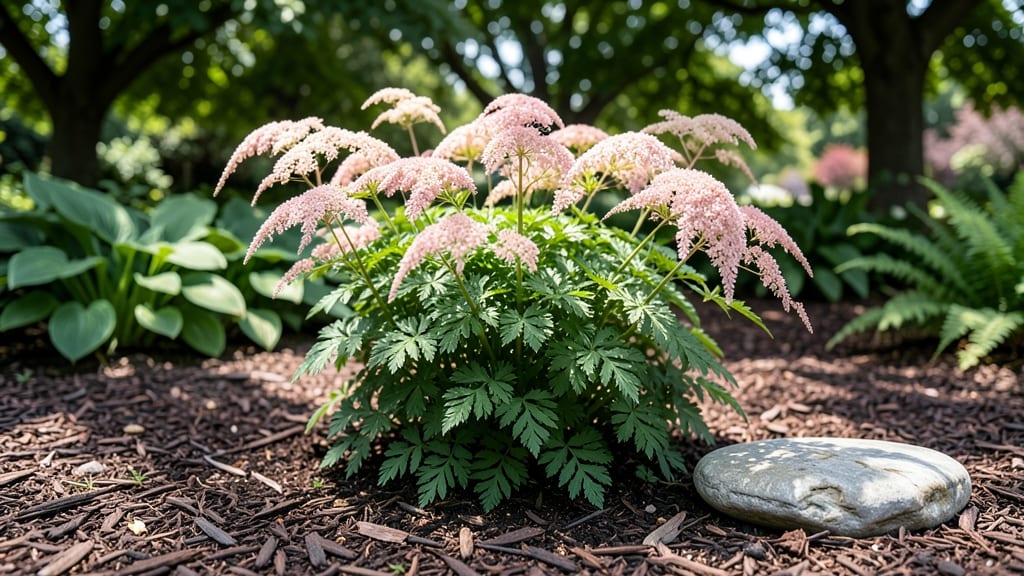
A part shade garden transforms forgotten corners into lush retreats where sunlight dances through leaves. 🌿 I once struggled with a shady spot that looked like a plant graveyard—until I discovered the right plants and layout tricks that turned it into the garden's most vibrant area.
The secret isn't fighting the shade; it's working with it to create a thriving, low-maintenance space that feels like a secret garden.
Think hostas with their deep green, textured leaves, ferns that unfurl like delicate lace, and astilbes with feathery plumes that sway in the breeze. These plants don't just survive in part shade—they thrive, often outperforming their sun-loving cousins.
The key is matching the right plants to the specific light patterns in your space, whether that's morning sun with afternoon shade or just dappled light filtering through trees.
With the right soil—rich, well-draining, and amended with compost—your plants will reward you with vibrant foliage, continuous blooms, and minimal fuss. Mulch keeps roots cool and moisture levels steady, while strategic placement of larger plants at the back creates a natural framework for smaller, shade-tolerant flowers to shine.
It's a garden that feels alive, even when the sun takes a break.
Perfect for under trees, along north-facing walls, or in spots where full sun just won't reach. Whether you're starting from scratch or revamping an underwhelming shady area, this approach works—no matter your yard's layout. Let's bring that forgotten corner to life.
📚 In This Guide
- What you need
- Instructions
- Tips and common mistakes
- Wrapping up and next steps
What you need
- ● Soil amendments: Compost (5–10 gallons) – Boosts nutrient density and drainage.
- ● Peat moss or coconut coir (2–3 bags) – Improves moisture retention.
- ● Mulch: Shredded bark or wood chips (2–3 cubic feet) – Suppresses weeds and retains moisture.
- ● Tools: Garden trowel (1) – For transplanting small plants.
- ● Garden fork (1) – Aerates soil without disturbing roots.
- ● Pruners (1 pair) – Sharp, sterilized for trimming.
- ● Wheelbarrow (1) – For hauling soil and amendments.
- ● Plants: Part-shade-tolerant perennials (e.g., hostas, ferns, astilbes) – 5–10 plants.
- ● Shade-loving annuals (e.g., impatiens, begonias) – 3–5 plants.
- ● Ground covers (e.g., sweet woodruff, ajuga) – 10–15 plants for fill.
- ● Slow-release fertilizer (e.g., 10-10-10, 1 lb) – Feeds plants gradually.
- ● Drip irrigation kit – Automates watering for consistency.
- ● Garden gloves (1 pair) – Protects hands from thorns or rough soil.
- ● Soil pH test kit – Ensures ideal conditions (6.0–7.0 for most part-shade plants).
How to design a thriving part shade garden
Here's the simple approach I use to create lush, low-maintenance gardens where sunlight dances through leaves.
🌿 Step 1: Map Your Existing Light Conditions
Start by observing your space for 2-3 weeks—especially during the brightest part of the day. Part shade means 3-6 hours of direct sun with filtered light the rest of the day. Use a notebook to mark where sunlight hits at different times. I notice morning sun behaves differently than afternoon sun, so I jot down both.
Look for patterns like tree branches that create moving shadows or buildings that block light at specific hours. These shifting light patterns are what make part shade tricky—you'll want to group plants that tolerate similar light conditions together. The goal is to avoid placing sun-loving plants where they'll struggle and shade-tolerant plants where they'll get too much light.
🪴 Step 2: Choose the Right Plants for Your Light Pattern
For morning sun with afternoon shade, focus on plants like astilbe, ferns, and hostas that handle bright morning rays but appreciate afternoon respite. In areas with even dappled light all day, try lungwort, bleeding heart, or Japanese forest grass—they thrive in this gentle, filtered environment.
I always include at least one foliage plant like heuchera or coral bells to anchor the space visually. These plants provide structure while filling in where flowers might struggle. For color, add shade-tolerant annuals like impatiens or begonia that bloom continuously when other plants might fade.
☀️ Step 3: Prepare the Soil for Moisture Retention
Part shade gardens often have moister soil because less direct sun means slower evaporation. Amend your existing soil with 2-3 inches of compost to improve drainage while holding moisture. I like to mix in a handful of perlite per square foot to prevent compaction, which is common in shaded areas.
Test your soil's moisture level by squeezing a handful—it should hold together but not feel soggy. If your soil drains too quickly, add a 1-inch layer of mulch (like shredded bark) to slow water loss. The mulch also keeps roots cool, which is especially important in part shade where roots can overheat when exposed to hot ground.
🌱 Step 4: Arrange Plants by Height and Light Needs
Place taller plants like astilbe or foxglove toward the back or center of your garden bed, where they won't cast too much shade on smaller neighbors. Medium-height plants like hostas or brunnera go in the middle, while ground covers like ajuga or sweet woodruff fill the front.
Group plants with similar water needs together—this prevents some from drying out while others stay too wet. For example, ferns and hellebores prefer consistently moist soil, while heuchera and sedum tolerate slightly drier conditions. I always leave 12-18 inches of space between plants to allow for air circulation and future growth.
💧 Step 5: Establish a Watering Routine Based on Light
Water deeply 2-3 times per week in the morning so plants have time to absorb moisture before afternoon shade sets in. Check soil moisture by sticking your finger 1-2 inches deep—if it feels dry, water until moisture reaches 6 inches down. Overhead watering can lead to fungal issues in shaded gardens, so I use a soaker hose or drip irrigation to deliver water at the base.
Watch for signs of stress like yellowing leaves (often a sign of too much water) or crispy edges (a sign of too little). Most part shade plants will tell you what they need—just pay attention to their cues. Once established, many shade-loving plants need very little supplemental water, but young plants or dry spells may require more frequent care.
Tips & tricks for perfect part shade gardens
Creating a thriving part shade garden takes more than just planting—it's about understanding the subtle dance of light and how to work with it.
Light Mapping Precision: When observing your space for those 2-3 weeks, take notes at different times of day—morning sun behaves differently than afternoon shade. I've found that using a small whiteboard with a simple sketch of your garden helps visualize how shadows move throughout the day. This visual mapping prevents costly mistakes when placing sun-loving plants where they'll struggle.
Plant Layering Strategy: In Step 4, when arranging your plants by height, consider the 12-18 inch spacing as your minimum—this creates room for air circulation while allowing each plant to express its natural form. I like to think of it like building a forest canopy: taller plants at the back, mid-height in the middle, and ground covers at the front. This layered approach mimics nature's own part shade environment.
Soil Moisture Test: The soil moisture test mentioned in Step 3 is crucial—if your soil feels too dry at 1-2 inches deep, it's time to water until moisture reaches 6 inches down. I've learned the hard way that part shade gardens can actually become waterlogged if you overcompensate. Always check the moisture level before watering again to avoid root rot.
Seasonal Light Variations: Remember that the 3-6 hours of direct sun mentioned in Step 1 changes with seasons. In summer, you might get closer to 6 hours, while winter could drop to just 3. This is why I recommend planting a mix of shade-tolerant perennials that can handle these fluctuations—think hostas, ferns, and hellebores—alongside some more flexible annuals like impatiens that can adjust to changing light conditions.
Pro Tips for Part Shade Garden
- Creating a thriving part shade garden takes more than just planting—it's about understanding the subtle dance of light and how to work with it.
- Light Mapping Precision: When observing your space for those 2-3 weeks, take notes at different times of day—morning sun behaves differently than afternoon shade.
- Plant Layering Strategy: In Step 4, when arranging your plants by height, consider the 12-18 inch spacing as your minimum—this creates room for air circulation while allowing each plant to express its natural form.
Frequently asked questions
What exactly is "part shade," and how do I measure it?
Part shade typically means 3–6 hours of direct sunlight per day, with the rest in dappled light or filtered shade (like under tall trees or near buildings). To measure it, use a sunlight tracker or observe your garden hourly. Pro tip: Areas with morning sun + afternoon shade are ideal for many part-shade plants!
Can I grow vegetables in a part-shade garden?
While leafy greens (like spinach or lettuce) and herbs (such as cilantro or parsley) thrive, avoid heavy sun-lovers like tomatoes or peppers. Opt for shade-tolerant veggies like kale, Swiss chard, or bush beans. Bonus: Part shade can even slow bolting in warm climates!
When is the best time to plant a part-shade garden?
For perennials and shrubs, plant in early spring or fall when soil is workable but not scorching. Annuals can go in after the last frost, but avoid mid-summer heat stress. Key rule: Give plants 4–6 weeks to establish roots before extreme weather hits.
What if my garden has too much shade? Can I still make it work?
Yes! If your space gets less than 3 hours of sun, focus on deep shade plants like hostas, ferns, or astilbes. For partial shade, prune nearby trees to increase light or use reflective surfaces (like white walls) to bounce sunlight. Alternative idea: Try a container garden near a sunny window!
Why are my part-shade plants looking leggy or weak?
Leggy growth often means too little light or overcrowding. Try thinning plants and moving containers to sunnier spots (even briefly). If roots are bound, repot or fertilize lightly with a balanced formula. Watch for: Yellow leaves (nutrient deficiency) or brown spots (fungus from poor airflow).
Wrapping up and next steps
A part shade garden isn’t just a compromise—it’s a thriving, vibrant space where the right plants shine! 🌿 By choosing shade-tolerant varieties and optimizing your layout, you can create a lush, low-maintenance oasis that outperforms in dappled light.
Whether you’re a seasoned gardener or just starting, this guide gives you the confidence to make the most of your garden’s unique conditions.
Ready to transform your space? Start small—pick one or two plants from this list, experiment with placement, and watch your garden flourish! 🌱 Next step: Grab your gardening gloves and dive in—your future shade-loving paradise awaits!