
Light Requirements
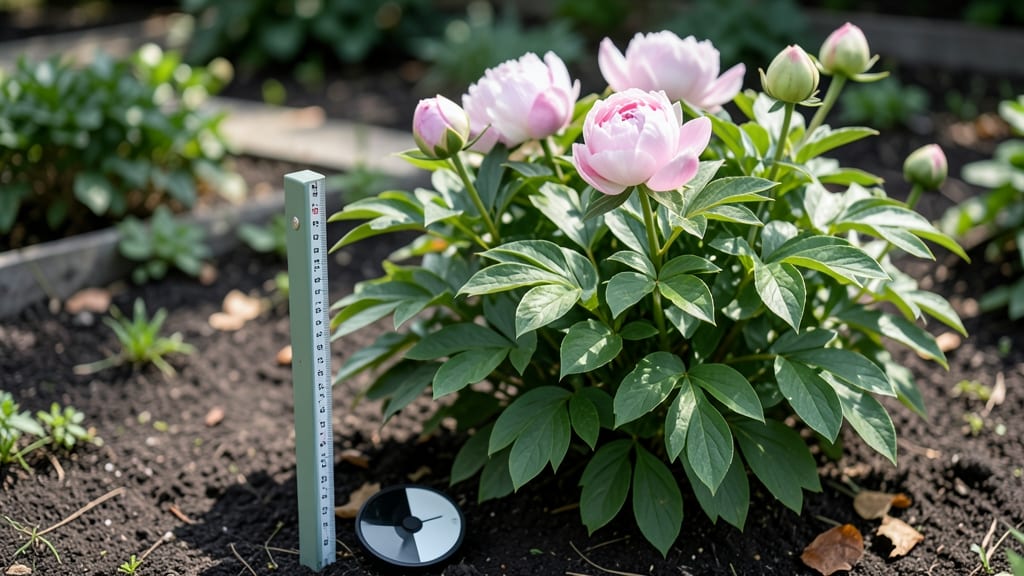
Peonies thrive in full sun or shade depending on your climate, but getting the light right is the key to those longer, healthier blooms you dream of.
Struggling to get your peonies to bloom as long and vibrantly as you’ve seen in catalogs? The secret often lies in their light exposure—whether they bask in full sun or prefer dappled shade can transform a handful of flowers into a lush, repeat-blooming spectacle.
Too much sun can scorch leaves in hot zones like 6a, while too little shade might leave your 🌸 peonies leggy and weak. The balance is all about where you live and how you position them in your garden.
In this guide, I’ll break down the best light spots for your peonies, how to spot when they’re getting it wrong, and simple fixes to keep them blooming their best every spring.

Peony light requirements: full sun vs. partial shade explained
Peonies are sun-loving perennials that thrive when given the right balance of light. While they prefer full sun, their needs vary depending on your climate zone and local conditions. Understanding how light affects their growth helps you maximize those stunning blooms you’ve been dreaming of.
Too much sun can scorch leaves, while too little shade can lead to weak stems and sparse flowers.
At their core, peonies rely on photosynthesis to convert sunlight into energy, which fuels their lush foliage and dramatic blooms. The chlorophyll in their leaves absorbs light, but extreme conditions—whether blazing afternoon sun or deep shade—can disrupt this process.
In hot climates, peonies may need afternoon shade to prevent leaf burn, while cooler regions can handle more direct sunlight.
Peonies typically need 6 to 8 hours of sunlight daily for optimal growth. However, in USDA Zones 7-9, where summers are intense, they often perform best with morning sun and afternoon shade.
This balance prevents heat stress while still providing enough light for robust flowering. In cooler climates (Zones 3-6), full sun is ideal year-round.
The science behind peony light needs lies in their cellular structure. Their thick, waxy leaves help retain moisture, but prolonged exposure to high-intensity sunlight can overwhelm their natural defenses.
When peonies don’t get enough light, they produce fewer blooms and may develop leggy stems as they stretch toward any available light source.
Peony varieties also play a role in their light tolerance. Herbaceous peonies (the most common type) prefer full sun, while tree peonies can tolerate more shade due to their woody stems. If you’re growing dwarf varieties, they may need slightly more shade to prevent leaf scorch, especially in containers where roots can overheat.
If you’re in a hot, dry climate, consider planting peonies near a trellis or lattice to provide dappled shade during peak afternoon hours. This mimics their natural habitat in woodland edges, where they receive filtered sunlight.
For container-grown peonies, choose pots with light-colored surfaces to reflect excess heat and ensure they’re placed where they get morning sun but are shaded by late afternoon.
One common mistake is assuming all peonies thrive in full sun. While this works in many cases, over-sunning can lead to leaf scorch—visible as crispy, brown edges on foliage.
To prevent this, mulch around your peonies with organic matter like wood chips or straw to keep roots cool and retain moisture. This also helps regulate soil temperature, which is crucial for bloom development.
In shadier conditions, peonies may produce fewer blooms but will still grow. However, their stems can become weak and floppy, making them prone to breaking under the weight of flowers.
To compensate, stake your peonies early in the season or choose a location with bright, indirect light instead of deep shade. Even a few hours of direct sunlight can make a significant difference in their overall health and flowering potential.
Seasonal adjustments are key. In summer, peonies may need more shade, while in winter, they can handle full sun as days grow shorter.
Pay attention to how your peonies respond throughout the year—adjusting their light exposure seasonally ensures they stay healthy and continue to reward you with show-stopping blooms for decades.
How to choose the perfect spot for peonies in your garden
Finding the ideal location for your peonies starts with understanding your garden’s unique microclimates. Urban areas with brick walls or pavement can trap heat, while rural spots may offer cooler breezes. Peonies need balance—too much sun scorches leaves, but too little shade stunts blooms.
I’ll show you how to assess your space and create the perfect conditions, whether you’re working with full sun or partial shade.
Begin by observing your garden throughout the day. Note where sunlight hits hardest—usually the south-facing or west-facing sides—and where shadows linger. Peonies thrive with 6+ hours of sunlight but can tolerate light shade in hot climates.
If your yard lacks natural shade, consider adding a trellis or lattice structure to filter harsh afternoon rays during peak summer months.
Key Factors for Peony Placement
- 1. Sunlight Hours: Aim for 6+ hours/day in cooler climates (Zones 3-5). Reduce to 4-6 hours in hot zones (Zones 7-9) to prevent leaf burn.
- 2. Soil Drainage: Well-draining soil is critical—peonies rot in soggy conditions. Amend heavy clay with compost or sand.
- 3. Airflow: Space plants 2-3 feet apart to improve circulation, reducing fungal risks like powdery mildew.
- 4. Container Rules: Pots need drainage holes and larger containers (12"+ diameter) for mature roots.
- 5. Shade Solutions: Use lightweight shade cloth (30-50%) or plant near deciduous trees for filtered shade.
For urban gardens, prioritize containers or raised beds to control soil quality and drainage. If planting in-ground, choose areas with morning sun and afternoon shade—this protects blooms from late-day heat.
In rural settings, leverage natural windbreaks like fences or hedges to shield peonies from harsh winds, which can weaken stems and reduce flowering.
Don’t overlook seasonal adjustments. In summer, peonies may need afternoon shade, while winter sun helps harden off stems. I recommend marking potential spots with stakes for 2-3 weeks to track sunlight patterns before planting. This simple step saves you from moving established plants later.
If your garden lacks ideal sunlight, consider dwarf peony varieties like ‘Bowl of Beauty’ or ‘Sarah Bernhardt,’ which tolerate partial shade better than standard types. Pair them with companion plants like hostas or ferns to create a layered, low-light-friendly border.
Just remember: even shade-loving peonies will reward you with more blooms when given as much light as possible.
Pro tip: Test your soil’s pH before planting—peonies prefer 6.5-7.0. If your soil is too acidic, mix in lime to create the perfect foundation for vibrant, long-lasting blooms. With the right spot, your peonies will thrive for decades, gracing your garden with lush, fragrant blooms year after year. 🌸