
Companion Plants
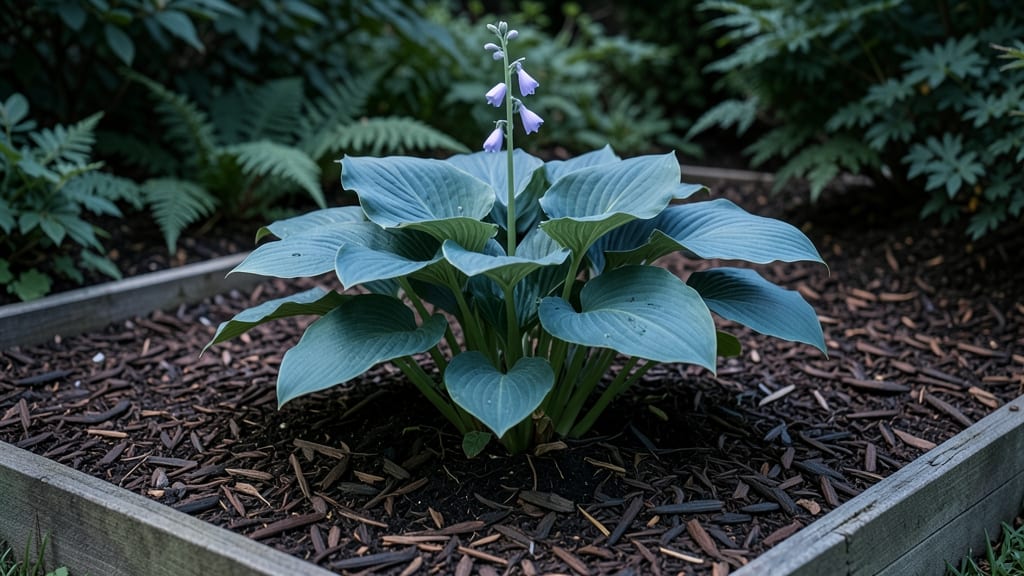
These perennial border plants for shade don’t have to be boring—my carefully chosen varieties thrive where others fade, and they’ll bring color, texture, and life to your darkest garden corners. 🌿 The secret lies in mixing heights, leaf colors, and bloom times.
Start with 3-4 foot hellebores for early flowers, add mid-height astilbes for summer fluff, and tuck in low-growing ferns for year-round greenery. Together, they create a border that looks intentional, not haphazard.
By late fall, your border will still shine with deep burgundy leaves and silver foliage, proving shade gardens can be just as dramatic as sunny ones. The best part? These plants need almost no maintenance once established.
Works in any shaded spot—under trees, along north-facing walls, or even in deep woodland gardens. Let’s bring your dark corners to life!
Light Limitations Exposed
When designing a perennial border for shade, plants may struggle to thrive—not because they’re inherently weak, but because their needs clash with the conditions you’ve provided.
Understanding why these challenges arise helps you tailor solutions that keep your garden lush year-round. Let’s break down the key culprits behind poor performance in low-light borders.
Most perennials evolved to thrive in full sun (6+ hours of direct light daily), but shade-loving species adapt to partial shade (3–6 hours) or full shade (less than 3 hours). The problem? Even shade-tolerant plants can suffer when light drops below their thresholds.
- Photosynthesis slowdown: Plants rely on sunlight to convert CO₂ and water into energy via chlorophyll. In deep shade, chlorophyll production diminishes, leading to weaker stems, smaller leaves, and stunted growth. Example: Hostas (a shade staple) may develop pale, thin leaves if light dips below 4 hours/day.
- Competition for light: Tall trees or buildings cast dense shade, creating a "light gradient" where only the topmost plants (like ferns or astilbes) get enough indirect rays. Lower layers may become etiolated—elongated, weak, and prone to flopping.
- Seasonal light shifts: Winter solstice reduces daylight to 9 hours or less in many climates. Evergreens (e.g., Hellebores) may survive, but deciduous perennials (e.g., Lungwort) can go dormant prematurely if light is already marginal.
Actionable fix: Map your garden’s light zones using a sunlight tracker app (like Gardeners.com’s calculator) to place light-demanding shade plants (e.g., Japanese Anemone) in the brightest spots.
Shade gardens often have wet soil—either from poor drainage or excess rainfall—but some perennials drown in soggy conditions while others wilt if soil dries out too quickly. The mismatch between plant needs and soil behavior is a leading cause of failure.
| Cause | Effect on Plants | Solution |
|---|---|---|
| Compacted or clay soil (holds water but blocks roots) | Root rot in Carex or Astilbe; yellowing leaves in Heuchera | Amend with organic matter (compost, leaf mold) to improve aeration. Add sand for clay-heavy areas. |
| Poor drainage (water pools after rain) | Fungal diseases (e.g., Phytophthora) in Hosta or Liriope | Raise beds slightly or install French drains if waterlogging is severe. |
| Dry shade (under evergreen trees) | Wilting in Tiarella or crispy edges on Foamflower | Mulch with 3–4 inches of wood chips to retain moisture. |
Pro tip: 🌡️ Test soil moisture weekly—stick your finger 2 inches deep. If dry, water deeply; if muddy, hold off until the top layer dries.
Shady spots often retain cold air in winter and stagnant humidity in summer, creating stress for perennials unsuited to these extremes.
- Cold pockets: North-facing borders may stay 10–15°F colder than sunny areas. Tender perennials like Coral Bells (Heuchera) can suffer cold damage (brown, mushy leaves) if not winter-hardy for your zone.
- High humidity: Stagnant air in dense shade fosters powdery mildew (white fungal coating) on Lungwort or Bleeding Heart. Fungal spores thrive in 70%+ humidity with poor airflow.
- Heat stress in dry shade: Under pine trees, soil may bake even in shade due to radiant heat from the ground. This causes leaf scorch in Japanese Painted Fern.
Actionable fix: Choose native or cold-hardy perennials (e.g., Solomon’s Seal for Zone 3) and improve airflow with dwarf shrubs (e.g., Dwarf Fothergilla) to break up dense shade.
Shady soil often lacks organic matter because fallen leaves decompose slowly, and roots compete fiercely for nutrients. Additionally, acidic or alkaline extremes can lock out essential minerals.
- Low nitrogen: Leads to pale, yellowing leaves (chlorosis) in Hosta or Astilbe. Shade plants typically need half the nitrogen of sun-lovers but still require it for growth.
- Phosphorus/potassium deficits: Causes weak roots and poor flowering in Bleeding Heart. Test soil pH—most shade perennials prefer 5.5–6.5.
- Aluminum toxicity: In acidic soils (pH <5.0), aluminum binds to roots, stunting growth in Lungwort or Dutchman’s Breeches.
Fix it: Apply a balanced, slow-release fertilizer (e.g., 5-10-10) in early spring. For acidic soil, add lime; for alkaline, use sulfur.
Fixing shady Plant struggles
Struggling with a lackluster shade garden doesn’t mean your space is doomed—it just needs the right tweaks!
Whether your perennials are wilting, failing to thrive, or looking sadder than a slasher movie villain, these targeted solutions will help you transform your shady border into a lush, four-season showstopper. 🌿✨ Let’s tackle the most common issues head-on with practical fixes and prevention tips to keep your plants happy and healthy.
If your shade garden feels like a swamp after rain or your plants’ roots are suffocating, drainage is the culprit. Too much moisture can lead to root rot, while compacted soil chokes out oxygen, stunting growth.
🔥 Fix It: Improve Drainage and Soil Structure
- 🍳 Amend the Soil - Mix in 2–3 inches of organic matter like compost, leaf mold, or well-rotted manure.
This loosens heavy clay and improves aeration. - For sandy soil, blend in peat moss or coconut coir to retain moisture without drowning roots.
- 👨🍳 Raise Planting Beds (If Needed)
- If water pools persistently, create slightly elevated beds (6–12 inches) to encourage drainage. Use raised garden boxes or mound soil with a mix of compost and perlite.
- 🥘 Install Drainage Solutions
- Add a layer of gravel or broken pottery at the bottom of planting holes to create a drainage layer before adding soil.
- For large areas, consider French drains or swales to redirect excess water.
💡 Prevention Tips
- Test your soil every 2–3 years with a simple pH/drainage kit (available at garden centers).
- Avoid overwatering—shady areas stay moist longer.
Water deeply but less frequently. - Mulch wisely: Use 2–3 inches of organic mulch (like shredded bark or wood chips) to regulate moisture and prevent compaction.
Not all shade is created equal. Deep shade (less than 3 hours of sunlight) can leave even the hardiest perennials struggling, while dappled or partial shade (4–6 hours) may not be enough for sun-loving varieties.
🔥 Fix It: Match Plants to Light Conditions
- 🍳 Audit Your Shade Levels - Use a light meter or observe your garden throughout the day.
Note where direct sun, partial shade, or full shade falls. - Group plants by their light needs: - Full shade (0–3 hrs sun): Hosta, Ferns, Astilbe, Lungwort - Partial shade (4–6 hrs sun): Heuchera, Bleeding Heart, Foamflower - Dappled shade (filtered sun): Japanese Painted Fern, Solomon’s Seal
- 👨🍳 Swap Out Mismatched Plants
- If a perennial is struggling, replace it with a shade-tolerant alternative (see our [top picks for low-light gardens](#)).
- Example: If your daylilies (sun-lovers) are wilting, swap them for Japanese Anemone or Coral Bells.
- 🥘 Boost Light with Reflective Surfaces
- Place mirrors, light-colored walls, or white gravel near shady areas to bounce indirect light onto plants.
- Trim overhanging trees to allow more filtered light to reach the border.
💡 Prevention Tips
- Plan your garden in layers: Place taller plants (like trees) on the north side to avoid casting shade on shorter perennials.
- Avoid planting sun-worshippers in deep shade—stick to native or shade-adapted species.
- Rotate plants seasonally: Some perennials (like Hellebores) thrive in winter shade but need spring light.
Shady, humid conditions are a fungal buffet—powdery mildew, black spot, and slugs love the environment. Without intervention, your perennials can go from lush to lamentable in weeks.
🔥 Fix It: Break the Fungal Cycle
- 🍳 Improve Air Circulation
- Space plants 18–24 inches apart to reduce humidity around foliage.
- Prune congested growth to let air flow freely.
- 👨🍳 Treat Fungal Issues
- Prevent mildew: Spray leaves with a baking soda solution (1 tsp baking soda + 1 quart water + a drop of dish soap) every 2 weeks.
- Combat slugs/snails: Set out beer traps, copper barriers, or diatomaceous earth (food-grade only).
- Remove infected leaves immediately and sterilize pruners with rubbing alcohol.
- 🥘 Strengthen Plant Immunity
- Fertilize with compost tea or a balanced organic fertilizer (10-10-10) in early spring to boost health.
- Water at the base (not overhead) to keep foliage dry.
💡 Prevention Tips
- Choose disease-resistant varieties (e.g., ‘Patrick’ Hosta resists slugs; ‘White Knight’ Ninebark fights powdery mildew).
- Clean up debris in fall—fungi and pests love hiding in dead leaves.
- Rotate crops if you’re growing edible perennials (like asparagus) to prevent soil-borne diseases.
Shade gardens can get colder and wetter in winter, leading to frost heave, root rot, or desiccated foliage. Tender perennials may not bounce back as expected.
🔥 Fix It: Winterize Your Shade Border
- 🍳 Mulch Like a Pro
- Apply 4–6 inches of mulch (straw, shredded leaves, or evergreen boughs) after the ground freezes to insulate roots.
- Avoid fresh wood chips—they can draw moisture away.
- 👨🍳 Protect Delicate Foliage
- For evergreens like Boxwood or Pieris, wrap them in burlap if your winters are harsh (below 10°F).
- Cut back dead foliage in late winter (not fall) to prevent rot.
- 🥘 Choose Cold-Hardy Perennials
- Swap out tender plants (like Tiarella or Lungwort) for hardier alternatives if your zone is extreme:
- Zone 3–4: Siberian Bugloss, Creeping Phlox, Lamb’s Ear
- Zone 5–6: Japanese Painted Fern, Solomon’s Seal
- Swap out tender plants (like Tiarella or Lungwort) for hardier alternatives if your zone is extreme:
💡 Prevention Tips
- Group plants by hardiness—place tender perennials near southern-facing walls for winter sun.
- Avoid late-season fertilizing—it encourages new growth that can’t survive frost.
- Monitor soil moisture—overly wet soil in winter can suffocate roots.
Ensure good drainage (see Problem: Poor Soil Drainage above).
Some shade-loving perennials (looking at you, Mint, Hosta, and Ferns) take over like an uninvited houseguest—choking out neighbors and making maintenance a nightmare.
🔥 Fix It: Control Spread Without Chaos
- 🍳 Divide and Conquer
- Dig up clumps every 3–5 years and split them with a sharp spade or garden fork.
- Replant divisions in containers or share with friends (free plants = garden karma).
- 👨🍳 Contain the Chaos
- Use root barriers (buried plastic or metal edging) for aggressive spreaders like Mint or Ginger.
- Plant in containers for perennials like Coral Bells or Heuchera to limit their reign.
- **🥘 Outsmart the Spreaders
Frequently asked questions
What are the best low-maintenance perennials for deep shade?
For a truly hands-off border, prioritize hostas, Japanese painted ferns, and foamflower (Tiarella). These thrive with minimal care and handle 3 hours or less of sunlight. Add heuchera (coral bells) for striking foliage that needs only occasional watering once established. Pro tip: Mulch with 3 inches of shredded bark to suppress weeds and retain moisture.
How do I create height variation in a shade border?
Layer plants by height: Start with 3–4 foot astilbes or Japanese anemones at the back, then add 2-foot heuchera or lungwort in the middle, and tuck 6-inch ajuga or sweet woodruff at the front. This creates visual interest and prevents a flat, boring look. For extra drama, include ornamental grasses like Hakonechloa for movement.
Can I mix shade perennials with bulbs for spring color?
Pair helebores (Lenten rose) or snowdrops with your perennials—they bloom early when most shade plants are still dormant. For late spring, add trilliums or bleeding hearts. Just ensure bulbs get enough moisture (shade soil stays damp longer). The key is spacing: Plant bulbs 6–12 inches apart and perennials 18–24 inches apart to avoid competition.
Why do some shade perennials develop yellow leaves?
Yellowing leaves usually signal overwatering, nutrient deficiency, or poor drainage. Check soil moisture—shady areas stay wet longer. Amend heavy clay with compost and ensure containers have drainage holes. For hostas or heuchera, a balanced fertilizer (5-10-10) in spring can revive color. If yellowing appears only on new growth, it may be chlorosis from alkaline soil—add sulfur to lower pH.
How do I prevent slugs and snails from destroying my shade border?
Use a multi-pronged approach: Beer traps (bury a shallow dish filled with beer), copper tape around containers, and diatomaceous earth (food-grade) as a barrier. Choose slug-resistant varieties like ‘Patrick’ hosta or ‘Fireworks’ heuchera. Water in the morning so foliage dries quickly—slugs love damp conditions. For severe infestations, handpick at night with a flashlight and gloves.