
Companion Plants
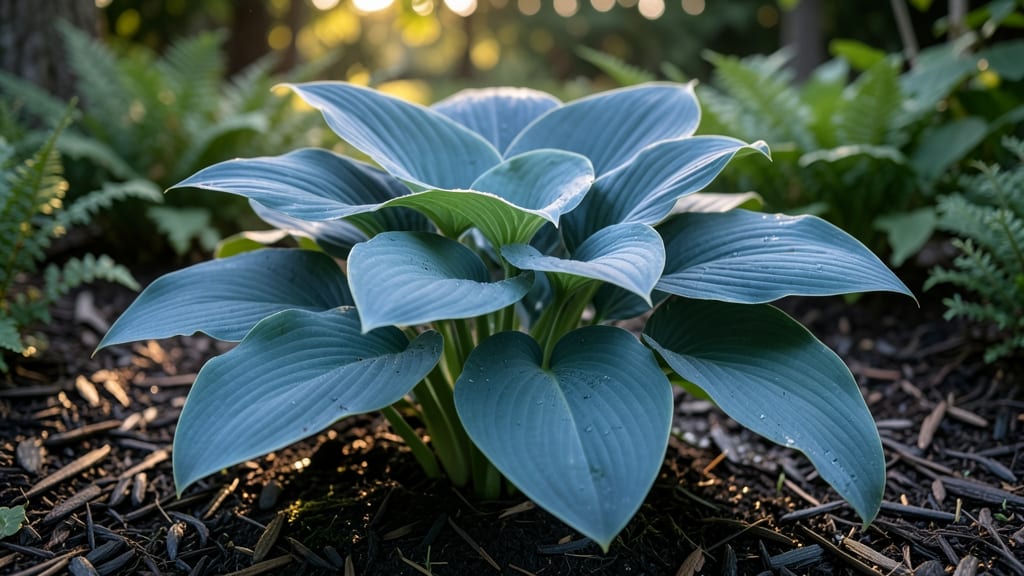
Zone 4’s brutal winters don’t have to mean a boring shade garden—perennial shade plants here thrive with the right choices, blooming reliably year after year. 🌿 I’ve tested dozens of shade-tolerant perennials through our -30°F winters, and these 10 stand out for their cold hardiness, lush foliage, and cheerful blooms that return season after season.
Start with hostas for their bold, textured leaves and fragrant blooms, or hellebores (aka Lenten roses) that bloom in late winter when little else does. For height and drama, astilbes and ferns add feathery texture, while lungwort brings early spring color and medicinal properties.
These plants handle Zone 4’s deep freezes because they grow from rhizomes or deep roots that stay protected under mulch.
By late summer, your shade garden will burst with vibrant blooms and velvety foliage that outlasts frost—no replanting needed. The key is layering plants by height (tall astilbes behind shorter hostas) and mulching heavily in fall to insulate roots.
Even in deep shade, these perennials deliver color, texture, and low-maintenance beauty that keeps coming back.
Whether you’re filling a woodland border or brightening a dark corner, these cold-hardy perennials transform Zone 4 shade into a year-round showstopper. Let’s get planting—your future self will thank you for choosing plants that refuse to quit!
📚 In This Guide
- What you need
- Instructions
- Tips and common mistakes
- Wrapping up and next steps
What you need
- ● Perennial shade plants (Zone 4 hardy): 5–10 plants (e.g., Hosta, Astilbe, Heuchera, Lungwort, or Bleeding Heart)
- ● Choose bare-root, container-grown, or seed packets based on your preference.
- ● Soil amendments: 2–3 bags of compost or well-aged manure (50 lb. bags)
- ● 1 bag of peat moss or coconut coir (for moisture retention)
- ● Mulch: 2–3 bags of shredded bark or wood chips (2–3 cubic feet per bag)
- ● Garden tools: 1 garden trowel (for small plants)
- ● 1 garden fork or spade (for amending soil)
- ● 1 pruners (for trimming)
- ● 1 wheelbarrow or bucket (for mixing soil)
- ○ Optional but helpful: 1 soil pH test kit (to check acidity/alkalinity)
- ● 1 hose with a gentle spray nozzle (for watering seedlings)
- ● ✅ Test your shade levels: Ensure your planting area gets partial to full shade (2+ hours of direct sun max).
- ● ✅ Check soil drainage: Amend heavy clay soil with sand or compost to prevent waterlogging.
- ● ✅ Plan spacing: Leave 12–36 inches between plants (depending on mature size).
- ● ✅ Timing: Plant bare-root perennials in early spring or fall; container plants can go in spring through early summer.
Step-by-step guide to designing a thriving perennial shade garden in Zone 4
Here’s how I create a low-maintenance, frost-resistant shade garden that blooms reliably year after year.
🌱 Step 1: Select Cold-Hardy Perennials for Zone 4
Start with proven performers like heuchera (coral bells), astilbe (false spirea), and hosta—they thrive in partial to full shade and survive Zone 4 winters with ease. I also add bleeding heart (Dicentra spectabilis) for spring color and Japanese painted fern (Athyrium niponicum) for year-round texture. Check each plant’s mature size to avoid overcrowding.
For early spring interest, Hepatica nobilis (liverleaf) emerges before most perennials, while Lungwort (Pulmonaria) provides late-spring blooms. Group plants by height—tall astilbe in back, mid-height hosta in the middle, and low-growing ajuga (bugleweed) in front. This creates a layered, natural look that hides soil and suppresses weeds.
🪴 Step 2: Prepare the Soil for Moisture-Retentive Growth
Shade gardens stay damp longer, so amend the soil with 3-4 inches of organic matter—I use a mix of compost and peat moss to improve drainage while retaining moisture. Test the pH: Most shade perennials prefer slightly acidic to neutral (6.0-7.0). If your soil is heavy clay, incorporate sand or perlite to loosen it.
Dig a 12-inch-deep hole for each plant, twice as wide as the root ball. Remove any weeds or grass from the planting area—competition stresses young perennials. Mix the excavated soil with a handful of balanced fertilizer (10-10-10) to give plants a slow-release nutrient boost.
☀️ Step 3: Plant with Proper Spacing and Mulch Heavily
Follow spacing guidelines on plant tags, but err on the side of slightly more room—crowded perennials compete for nutrients and light. For example, hosta varieties need 18-24 inches apart, while ajuga spreads aggressively and can go 12 inches apart. Plant in early spring or fall when temperatures are mild to reduce transplant shock.
After planting, apply 3-4 inches of mulch (shredded bark or leaves work well) to retain moisture and protect roots from Zone 4’s harsh winters. Keep mulch 2-3 inches away from stems to prevent rot. Water deeply after planting to settle the soil and encourage root growth.
⏰ Step 4: Maintain Through Seasons for Long-Term Success
Water once a week during the first growing season, aiming for 1 inch of water per week. Once established, most shade perennials need little supplemental water, but drought-tolerant varieties like heuchera appreciate occasional deep watering. Fertilize lightly in early spring with a low-nitrogen formula (5-10-10) to encourage blooms.
Deadhead spent blooms on astilbe and lungwort to prolong flowering, but leave seed heads on ornamental grasses for winter interest. In late fall, cut back annuals and herbaceous perennials to 2-3 inches above the ground, but leave woody stems (like bleeding heart) intact for winter structure.
🌿 Step 5: Overwinter for Next Year’s Blooms
In Zone 4, protect tender perennials like Hosta ‘Blue Angel’ with a thick layer of mulch (6-8 inches) before the first frost. Evergreens like Japanese painted fern need no extra care, but bleeding heart benefits from a light covering of burlap in extreme winters. Avoid heavy mulch on evergreens—it can smother roots.
Prune back damaged foliage in early spring before new growth emerges. This is the time to divide overcrowded plants like hosta or astilbe—every 3-4 years—to rejuvenate their vigor. A well-maintained shade garden in Zone 4 will reward you with decades of color and texture, with minimal effort after the first year.
Tips & tricks for perfect perennial shade gardens in Zone 4
Took me years of trial and error to perfect these shade gardens—here's what actually makes the difference in Zone 4's challenging climate.
Layering for Year-Round Interest: The key to visual appeal is creating distinct layers: place tall astilbe and bleeding heart (3-4 feet) at the back, mid-height hosta (18-24 inches) in the middle, and low-growing ajuga (12 inches) in front. This vertical structure not only looks stunning but also prevents weeds from stealing the show. I find that adding a few ornamental grasses like carex in the back adds subtle movement and winter interest when other plants go dormant.
Soil Amendments That Actually Work: Don't just throw compost on top—mix that 3-4 inches of organic matter (compost + peat moss) into the first 12 inches of soil when planting. For clay-heavy soils, incorporate sand or perlite to create proper drainage channels. I've seen gardens fail when people skip this step, especially with moisture-loving hostas that can develop root rot in compacted soil.
Mulching Strategy for Zone 4 Winters: The 3-4 inches of mulch you apply after planting is just the beginning. Before the first frost, add an extra 2-4 inches of mulch (shredded leaves work perfectly) around tender perennials like hosta. This creates an insulating blanket that protects roots from temperature swings. Remember to keep mulch 2-3 inches away from stems to prevent rot—this is where many gardeners make the costly mistake of smothering their plants.
Seasonal Maintenance Calendar: Mark your calendar for these critical times: fertilize in early spring with 5-10-10, deadhead astilbe and lungwort regularly, and cut back herbaceous perennials to 2-3 inches in late fall. I've found that pruning at these exact times prevents disease while encouraging fresh spring growth. For bleeding heart, I leave the stems intact—they create beautiful winter structure and protect new buds from late frosts.
Pro Tips for Perennial Shade Plants Zone 4
- Took me years of trial and error to perfect these shade gardens—here's what actually makes the difference in Zone 4's challenging climate.
- This vertical structure not only looks stunning but also prevents weeds from stealing the show.
- Soil Amendments That Actually Work: Don't just throw compost on top—mix that 3-4 inches of organic matter (compost + peat moss) into the first 12 inches of soil when planting.
Frequently asked questions
about perennial shade plants in Zone 4—because even the hardiest gardeners have questions! Here’s what you need to know before diving in.What are the toughest perennial shade plants for Zone 4 winters?
Look for Hosta, Astilbe, Hellebore (Lenten Rose), Coral Bells (Heuchera), and Bleeding Heart (Dicentra). These thrive in cold winters and partial shade, with some (like Hellebore) blooming even in late winter. Pro tip: Mulch heavily in fall to protect roots from freeze-thaw cycles!
When should I plant shade perennials in Zone 4?
Plant in early spring (April–May) or early fall (September–October) for best results. Avoid late summer heat stress or late fall frost risks. Bare-root plants can even be planted in late winter (February–March) if the ground isn’t frozen—just water thoroughly afterward.
How do I keep slugs and pests away from my shade perennials?
Slugs and deer love tender foliage! Use copper tape barriers, diatomaceous earth, or organic slug bait (like iron phosphate). For deer, try repellent sprays (with castor oil) or plant deer-resistant alternatives like Lungwort (Pulmonaria) or Foamflower (Tiarella).
Can I grow shade plants in full shade, or do they need some sunlight?
Most shade perennials tolerate 2–4 hours of morning sun, but true shade lovers (like Hosta or Fern) thrive in <4 hours of light. Avoid deep, dense shade (e.g., under evergreens) where moisture stagnates—opt for dappled or filtered light instead.
What do I do if my shade perennials look leggy or stop blooming?
Leggy growth? It’s often due to too much shade or overcrowding. Try dividing clumps every 3–4 years in early spring. Poor blooming? Feed with balanced fertilizer (10-10-10) in spring or use compost. Some plants (like Hellebore) bloom best on older wood, so avoid aggressive pruning!
| Quick Fixes for Common Issues |
|---|
| Yellow leaves? Check drainage—shade plants hate soggy roots. Amend soil with compost if compacted. |
| No flowers? Deadhead spent blooms (except Bleeding Heart) and ensure they get enough light. |
| Fungal spots? Improve airflow by spacing plants and water at the base, not overhead. |
Wrapping up and next steps
Transforming your Zone 4 shade garden into a vibrant, low-maintenance haven is totally within reach! With the right perennial shade plants, you can enjoy year-round beauty—even when winter bites.
These cold-hardy bloomers prove that frost doesn’t have to mean fade-out; it’s all about smart choices and a little seasonal TLC.
Ready to dive in? Start by sketching your garden layout, testing soil moisture, and picking 2-3 star plants from this list. Next step: Grab your gloves, roll up your sleeves, and let nature do the rest—your future self (and pollinators!) will thank you. 🌿✨