
Shrubs
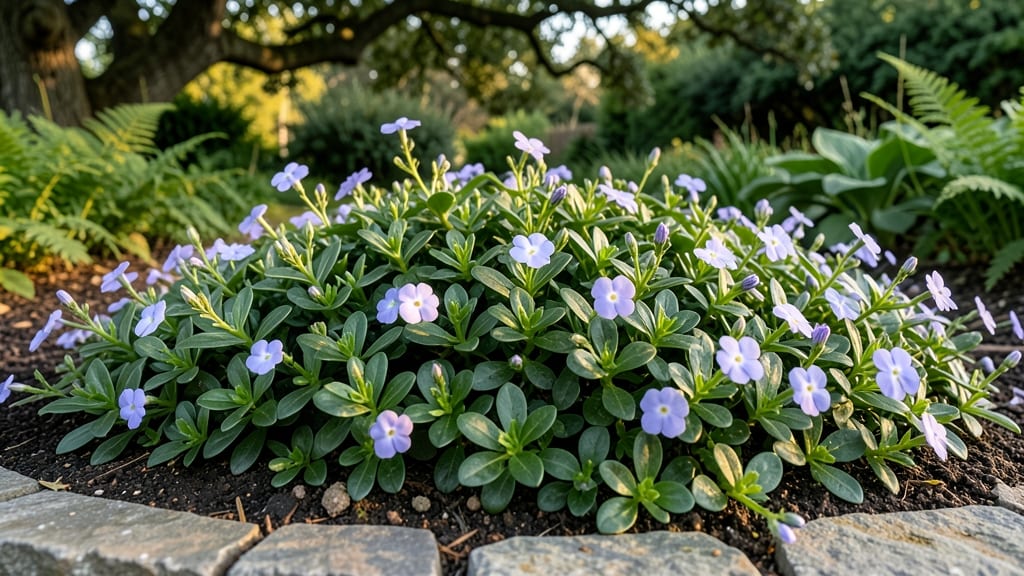
Growing periwinkle in sun or shade is easier than you think—this versatile plant adapts beautifully to almost any light condition while delivering year-round color with almost no effort.
Struggling to keep your garden vibrant year-round? Periwinkle (Vinca) thrives in both sun and shade, offering stunning blue-purple blooms with minimal fuss—making it the perfect low-maintenance ground cover for any light condition.
In full sun, varieties like 'Bowles Blue' and 'Graham Thomas' produce bold, vibrant flowers, while 'Silver Dust' and 'Variegata' shine in shadier spots with their silvery foliage and delicate blooms.
Below, I’ll break down the best varieties for each light condition, soil and water adjustments, and how to transition periwinkle safely if you ever need to move it—so you can enjoy lush, healthy plants no matter where you plant them.
 Best Window Placement
Sun-loving periwinkle varieties for full light exposure
If you're dreaming of a vibrant garden that thrives under the sun, periwinkle (Vinca) is your go-to plant. These sun-loving varieties not only survive but flourish in full light exposure, delivering bold blooms and lush foliage with minimal effort.
Whether you're lining a sunny pathway or filling a container, these top-performing cultivars will keep your garden buzzing with color all season long.
The key to growing periwinkle in full sun lies in selecting the right variety. Some types, like 'Graham Thomas' and 'Bowles Blue', are bred to handle intense sunlight, while others like the 'Illumination' series offer extra vibrancy when exposed to 6+ hours of direct sun.
Let's dive into the best sun-loving periwinkle varieties and how to coax the most stunning blooms from them.
| Variety | Sun Tolerance | Bloom Color | Height (in) | Care Tips |
|---|---|---|---|---|
| 'Graham Thomas' | Full Sun (6+ hrs) | Deep magenta-pink | 12-18" | Prune after blooming; water deeply 1x/week |
| 'Bowles Blue' | Full Sun to Partial Shade | Bright blue | 12-15" | Drought-tolerant; mulch to retain moisture |
| 'Illumination' Series | Full Sun (best color) | White, pink, or purple | 10-12" | Deadhead spent blooms; feed lightly in spring |
| 'Alba' | Full Sun | Pure white | 12-15" | Great for containers; water at soil level |
| 'Lipstick' | Partial Sun (morning sun) | Deep red | 8-10" | Prune to encourage bushiness; avoid overwatering |
For maximum bloom intensity, start by planting your periwinkle in well-draining soil enriched with compost. These sun-lovers prefer slightly acidic to neutral pH (6.0-7.0), which you can test with a simple soil kit.
In my own garden, I've found that adding a 2-inch layer of mulch around the base helps retain moisture while keeping roots cool during peak summer heat.
Watering is another critical factor for sun-exposed periwinkle. While they're drought-tolerant, consistent moisture during their first growing season ensures strong root development. Aim for 1 inch of water per week, either from rainfall or manual watering.
I water mine in the early morning to reduce evaporation and prevent fungal issues that can arise from evening moisture.
One of my favorite sun-loving varieties is 'Graham Thomas', which produces stunning magenta-pink blooms that last from spring through fall. To keep it looking its best, I shear it back by one-third after the first flush of flowers.
This encourages a second bloom cycle and maintains a neat, compact shape. The same pruning technique works for 'Bowles Blue', though its classic blue flowers are equally eye-catching.
If you're using periwinkle as a ground cover, space plants 12-18 inches apart to allow for full coverage within a season. For container gardening, choose compact varieties like 'Illumination White' and plant 2-3 per 12-inch pot.
Remember that periwinkle spreads via underground runners, so contain it with edging if needed to prevent it from taking over your garden beds.
For extra vibrant blooms, feed your periwinkle with a balanced fertilizer (10-10-10) in early spring as new growth emerges. Avoid heavy feeding in summer, as this can lead to leafy growth at the expense of flowers.
In my experience, a light application every 6-8 weeks during the growing season is perfect for maintaining healthy, blooming plants without overstimulating foliage.
One common mistake gardeners make is assuming all periwinkle varieties handle full sun equally. While most are sun-tolerant, some like 'Lipstick' prefer morning sun and afternoon shade to prevent leaf scorch. Always check the specific variety's requirements before planting in your hottest, sunniest spots.
If you notice yellowing leaves or crispy edges, it's a sign your periwinkle needs more shade or water.
To extend the blooming season, deadhead spent flowers regularly. This simple task redirects the plant's energy toward producing new blooms rather than seed development. I like to do this on a weekly basis during peak bloom season, using clean pruners to snip just above a set of healthy leaves.
This keeps your periwinkle looking tidy and encourages continuous flowering.
For gardeners in hot, dry climates, consider pairing periwinkle with other sun-loving perennials like lavender or Russian sage. These companions share similar water needs and create a stunning pollinator-friendly display.
In my Zone 7b garden, I've seen periwinkle thrive alongside these plants with minimal additional care, making it a perfect low-maintenance addition to any sunny landscape.
Best shade-tolerant periwinkle for low-light gardens
If your garden has shady spots that struggle to support vibrant plants, periwinkle varieties like 'Silver Dust' and 'Lipstick' are your secret weapon. These shade-tolerant cultivars thrive where others falter, delivering lush deep-green foliage and delicate blooms without demanding full sun.
Their adaptability makes them perfect for woodland gardens, under trees, or north-facing borders where light is limited.
Unlike sun-loving varieties, these low-light periwinkles prioritize foliage texture over abundant blooms, offering a refined, almost sculptural appearance. The 'Variegata' variety, for example, features striking creamy-white edges on its leaves, adding visual contrast even in dim conditions.
This makes them ideal for container gardens on patios or as ground covers in shady perennial beds.
Shade-Tolerant Periwinkle: Pros & Cons
- Thrives in low light (2-4 hours sun/day)
- Drought-tolerant once established
- Year-round green foliage
- Supports pollinators (bees, butterflies)
- Low-maintenance (no pruning needed)
- Slower growth in deep shade
- Fewer flowers than sun varieties
- Susceptible to powdery mildew in humid shade
- Requires well-draining soil (avoid soggy roots)
- May flop in heavy shade without support
🌿 Best for: Woodland gardens, under trees, or north-facing beds
For optimal performance, amend your shady soil with organic compost to improve drainage—a critical factor for periwinkle health. These varieties prefer slightly acidic to neutral pH (6.0-7.0), so test your soil before planting.
In deep shade, consider adding a slow-release fertilizer in early spring to support foliage vigor and occasional blooms.
Watering needs shift with shade: water deeply once a week in spring/fall but reduce to bi-weekly in winter when growth slows. Avoid overhead watering to prevent leaf diseases common in humid shade.
Mulch with pine needles or shredded bark to retain moisture and suppress weeds, which thrive in low-light conditions too.
While these periwinkles tolerate shade, they still benefit from morning sunlight (2-4 hours) to encourage bloom production. Place them near east-facing windows or dappled-light areas under deciduous trees.
If your garden is completely devoid of light, opt for the 'Lipstick' variety—its dark foliage contrasts beautifully against white or light-colored walls.
Prune lightly in early spring to remove dead stems and shape the plant, but avoid heavy cuts that stress shade-adapted foliage. With the right soil prep and watering routine, these periwinkles will reward you with lush, year-round interest—even in the shadiest corners of your garden. 🌿