
Companion Plants
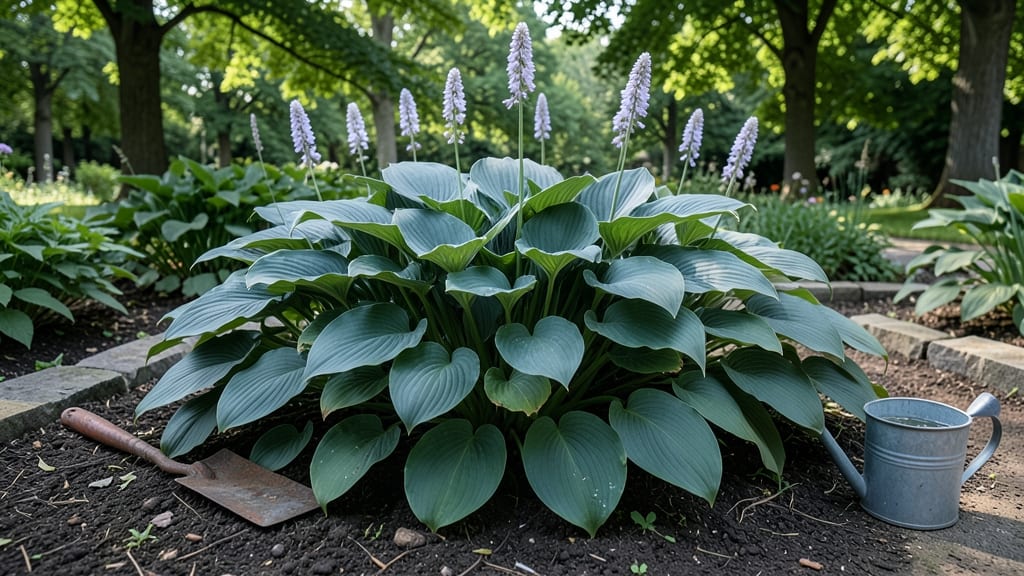
Shade gardens don’t have to be dull—perennial shade plants bring year-round lushness with the right choices. ✨ I’ve transformed my darkest corner into a thriving, textured oasis using plants that flourish where others fail.
The secret lies in layering foliage, flowers, and textures that play well together under tree canopies or north-facing walls.
Think beyond the usual hostas—heucheras add jewel-toned foliage, astilbes bring feathery plumes, and ferns create soft, airy layers. These perennials thrive in partial to full shade, with some even tolerating dry conditions once established.
Their varied heights and leaf shapes let you create depth, whether you’re designing a woodland retreat or a low-maintenance border.
You’ll end up with a garden that stays vibrant from spring’s first hosta shoots to winter’s evergreen structure. The right combinations make shade areas feel intentional, not neglected—plus, they attract pollinators and reduce summer heat. Let’s explore the best players for your design.
Works for any yard, from city balconies with potted arrangements to sprawling woodland gardens. The key is matching plant habits to your space’s light and moisture quirks. Here’s how to make it work beautifully.
📚 In This Guide
- What you need
- Instructions
- Tips and common mistakes
- Wrapping up and next steps
What you need
- ● Perennial shade plants: 3–5 mature plants (e.g., Hosta, Heuchera, Astilbe, Ferns, or Lungwort) – Choose slow-growing varieties for long-term impact.
- ○ Optional: Ground covers (e.g., Sweet Woodruff or Ajuga) for filling gaps.
- ● Soil amendments: 5–10 lbs of organic compost or aged manure per plant (improves drainage and fertility).
- ● 2–3 lbs of peat moss or coco coir (for moisture retention in dense shade).
- ● Mulch: 2–3 inches of wood chips, pine straw, or shredded bark (preserves moisture and suppresses weeds).
- ● 1 garden trowel (for transplanting small plants).
- ● 1 garden fork or spade (for amending heavy clay soil).
- ● 1 pruners (sterilized, for trimming dead foliage).
- ● 1 wheelbarrow or bucket (for mixing soil amendments).
- ○ Optional: A soil pH test kit (to check acidity—most shade plants prefer slightly acidic to neutral soil, pH 6.0–7.0).
- ● A drip irrigation system or soaker hose (for consistent moisture in deep shade).
- ● A shady spot receiving sunlight tracker if unsure).
- ● Well-draining soil (amend heavy soil with sand or perlite if needed).
- ● Access to water (shade plants still need regular hydration!).
Step-by-Step guide to designing a thriving perennial shade garden
Here's how to create a lush, low-maintenance shade garden that stays vibrant year-round.
🌱 Step 1: Assess Your Shade Conditions
First, identify your shade type—deep shade (less than 3 hours of light) or partial shade (3-6 hours). I walk through the garden at different times of day with a light meter to map the light levels. Deep shade areas need hostas, ferns, and astilbes, while partial shade can handle heucheras, lungwort, and Japanese painted ferns. Note where moisture lingers after rain—these spots are perfect for carex sedges or solitary asters that thrive in damp conditions.
Take soil samples from multiple spots to check pH and drainage. Most shade plants prefer slightly acidic to neutral soil (pH 6.0-7.0). If your soil is heavy clay, amend with compost and coarse sand to improve drainage. I've found that even the hardiest shade perennials struggle in soggy soil, so this step prevents future headaches.
🪴 Step 2: Prepare the Planting Area
Clear the area of weeds and debris, then loosen the soil to a depth of 12 inches using a broadfork or tiller. Avoid digging too deeply—this disrupts beneficial soil microbes. Mix in 2-3 inches of compost and 1 inch of perlite if your soil is dense. For heavy clay, incorporate 1 part sand to 3 parts soil to improve aeration without altering the structure too drastically.
Level the ground carefully—shade plants don't need mounds, but they do appreciate a smooth surface. I rake the area until it's free of rocks and clumps. This ensures roots establish evenly and water distributes properly. Mark planting locations with stakes to maintain proper spacing—most shade perennials need 18-24 inches apart for mature growth.
☀️ Step 3: Select and Plant Your Perennials
Choose plants that complement each other in height, texture, and bloom time. Start with 3-4 anchor plants like heuchera (coral bells) or hosta for structure, then fill in with ground covers (ajuga or creeping phlox) and vertical accents (foxglove or Solomon's seal). I plant taller varieties toward the back and shorter ones in front, creating natural layers that hide bare soil.
Dig holes twice as wide as the root ball but only as deep. Place each plant so the top of the root ball sits just below soil level—burying too deep suffocates roots, while planting too high leaves them vulnerable to drying out. Backfill with native soil mixed with compost, then water deeply to settle everything. Mulch with 2-3 inches of shredded bark or leaf mold to retain moisture and suppress weeds.
💧 Step 4: Establish a Watering Routine
Shade gardens need consistent moisture but hate soggy roots. Water deeply 2-3 times per week during the first growing season, aiming for 1 inch of water per week. Use a rain gauge or tuna can to measure—this prevents overwatering, which is a common killer of shade perennials. I water in the early morning to reduce evaporation and fungal risks.
After the first year, most shade plants develop deep roots and need less frequent watering. Look for wilting leaves or dry soil 2 inches below the surface as signals to water. Drip irrigation or soaker hoses work best—they deliver water slowly at the root zone without wetting foliage, which minimizes disease. Avoid overhead sprinklers, especially in humid climates.
✂️ Step 5: Maintain and Refresh Seasonally
In early spring, remove dead foliage but leave last year's stems on grasses and ornamental plants—they provide winter interest and protect emerging shoots. I also apply a 2-inch layer of mulch in late winter to insulate roots and retain moisture. Fertilize lightly in early spring with a balanced 10-10-10—shade plants don't need heavy feeding, but a little boost encourages lush growth.
Divide crowded perennials like hostas and astilbes every 3-4 years in early spring or fall. This rejuvenates plants and gives you free divisions for expanding your garden. Watch for pests like slugs and snails—they love tender shade plants. I use copper tape barriers and beer traps to keep populations in check without chemicals.
Tips & tricks for perfect perennial shade gardens
Creating a thriving shade garden isn't just about planting—it's about understanding the subtle details that make all the difference. Here's what I've learned after years of trial and error (and a few failed patches of soggy soil).
Light Mapping Matters: When assessing your shade in Step 1, don't rely on guesswork. I've found that using a simple light meter or even just observing the area at different times of day reveals surprising variations. For instance, what looks like deep shade at noon might get morning sun—this affects which plants will thrive. Mark your garden with stakes showing light exposure zones to guide plant placement later. This prevents the heartbreak of wilting foliage when you realize your heuchera actually needs more light than you thought.
Soil Science is Non-Negotiable: The soil amendments in Step 2 are where most shade gardens succeed or fail. I can't stress enough how critical that 12-inch depth is—it ensures roots have room to establish properly. For clay-heavy soils, I've had success using a 1:3 sand-to-soil ratio mixed with compost, but I always test drainage first by digging a hole, filling it with water, and timing how long it takes to drain. If it's still wet after 6 hours, you need more sand or raised beds. The goal is to mimic the naturally well-draining conditions many shade plants prefer in their native woodlands.
Plant Layering Strategy: The planting design in Step 3 is where your garden's visual impact comes together. I've found that starting with 3 anchor plants creates a natural framework, but the magic happens in the layers. For example, place foxglove (which can reach 5 feet) toward the back, then heuchera (18-24 inches) in the middle, and ajuga (6-12 inches) in front. This creates a "forest understory" effect that looks intentional. Pro tip: Use Japanese painted ferns as a mid-height filler—their delicate fronds cascade beautifully between taller plants.
Watering Wisdom: The 2-3 times per week guideline in Step 4 is perfect, but timing is everything. I've learned that watering in the early morning (before 8 AM) gives plants time to dry out during the day, reducing fungal risks. For the first year, I set a reminder to check soil moisture at 2 inches deep—if it's dry, water; if it's damp, wait. This prevents both underwatering and the dreaded root rot that plagues many shade gardens. A rain gauge is your best friend here—it's amazing how much water those 1-inch measurements actually are!
Pro Tips for Perrenial Shade Plants
- Creating a thriving shade garden isn't just about planting—it's about understanding the subtle details that make all the difference.
- Light Mapping Matters: When assessing your shade in Step 1, don't rely on guesswork.
- Soil Science is Non-Negotiable: The soil amendments in Step 2 are where most shade gardens succeed or fail.
Frequently asked questions
Got questions about thriving shade gardens? You're not alone!
Here are answers to the most common queries about perennial shade plants—so you can skip the guesswork and dive right into planting with confidence.
What are the easiest perennial shade plants for beginners?
Start with hardy, low-maintenance options like hostas, heucheras, or ferns. These tolerate low light, require minimal fuss, and deliver year-round interest. Hosta, for example, thrives in deep shade and comes in shades of green, blue, and variegated patterns—perfect for adding texture and color without sunlight. Pro tip: Choose disease-resistant varieties (like Hosta 'Halcyon') to avoid common pests.
How long does it take for perennial shade plants to establish?
Most perennials take 1–2 years to fully establish and fill in, though some (like heucheras) may show significant growth in their first season. Patience pays off—dividing clumps or adding mulch can speed up the process. Troubleshooting tip: If growth is slow, check soil moisture (shade plants often prefer consistently damp—not soggy—conditions).
Can perennial shade plants survive in dry shade?
Many shade-loving perennials (e.g., astilbe, bleeding heart) struggle in dry conditions, even if they’re in shade. Solution: Amend soil with organic matter (like compost) and mulch heavily to retain moisture. Drought-tolerant picks include Japanese painted ferns or foamflower, but most thrive with 1–2 inches of water weekly during dry spells. Warning: Avoid soggy soil—poor drainage kills roots faster than dryness!
What’s a good alternative if my shade area is too dark?
If your spot gets less than 2 hours of sunlight daily, opt for deep-green foliage plants like world’s end post oak or Christmas fern, which photosynthesize efficiently in near-darkness. For color, Japanese anemones or toad lilies bloom in minimal light. Design hack: Layer plants with varying heights (e.g., tall cimicifuga behind low ajuga) to create visual depth in shady corners.
Why are my shade perennials getting yellow leaves?
Yellow leaves in shade plants often signal overwatering, nutrient deficiency, or fungal issues (like powdery mildew). First, check soil moisture—shade plants hate "wet feet." Next, fertilize lightly with a balanced, slow-release fertilizer (like 10-10-10) in early spring. If spots appear, treat with neem oil for pests/fungi. Prevention tip: Space plants properly for airflow to reduce humidity-related diseases.
Wrapping up and next steps
Transforming your shady garden into a vibrant, low-maintenance oasis is easier than you think! 🌿 Perennial shade plants offer year-round beauty, resilience, and minimal sunlight demands, making them the perfect solution for tricky spots.
Whether you’re a seasoned gardener or just starting out, these hardy plants prove that shade doesn’t mean sacrificing style.
Ready to dive in? Start small with 1-2 plants—like Hosta or Heuchera—to test your space, then expand as you gain confidence. Before you know it, your garden will be the envy of the neighborhood! 🌟