
Container Gardens
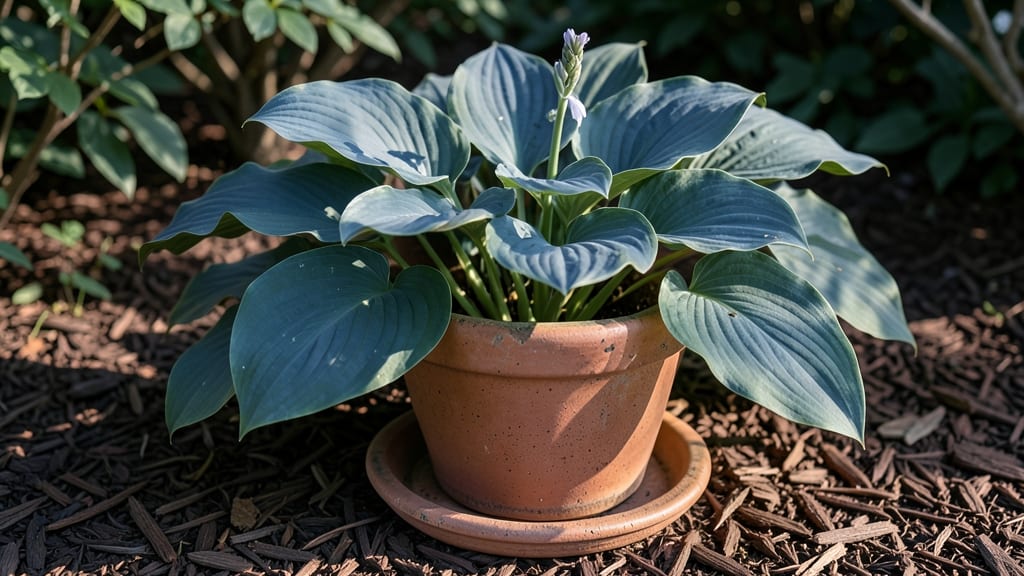
A potted shade garden brings life to dark corners where sunlight barely reaches. 🌿 I’ve transformed my dim patio into a lush retreat by choosing the right plants and containers—no direct sun required.
The secret lies in selecting shade-tolerant varieties that thrive in indirect light, turning gloomy spots into vibrant green escapes.
You’ll need containers with good drainage, a mix of evergreen and seasonal foliage plants, and a touch of creativity. Hostas, ferns, and impatiens love shade, while calatheas and pothos add texture and movement.
The key is grouping plants with similar light needs together—this creates a cohesive look that feels intentional, not random.
By summer’s end, you’ll have a thriving display that stays lush all year. The best part? You can rearrange pots to refresh the space whenever you want. No weeding, no soil struggles—just portable beauty that adapts to your mood or the season’s demands.
Perfect for balconies, porches, or even indoor sunrooms. Start small with 3-5 containers, then expand as you discover what works best in your space. The results? A garden that’s always in the right place—literally and visually.
📚 In This Guide
- What you need
- Instructions
- Tips and common mistakes
- Wrapping up and next steps
What you need
- ● Containers: 3–5 large pots (12–18 inches in diameter) with drainage holes—terracotta or ceramic works best for moisture control.
- ● High-quality potting mix: 3–5 gallons of well-draining, peat-based or coco coir blend (avoid garden soil—it compacts!).
- ● Shade-tolerant plants: 3–5 hostas (e.g., 'Blue Angel' or 'Halcyon')
- ● 2–3 heucheras (e.g., 'Lime Rickey' or 'Plum Pudding')
- ● 1–2 ferns (e.g., Matteuccia struthiopteris or Dryopteris erythrosora)
- ● 1 caladium (e.g., 'White Queen' for pops of color)
- ○ Optional: impatiens or begonias for trailing or flowering accents.
- ● Mulch: 1–2 inches of orchid bark, pine needles, or shredded leaves to retain moisture.
- ● Fertilizer: Slow-release balanced fertilizer (10-10-10) or organic options like worm castings.
- ● Tools: Trowel or small shovel
- ● Gloves (to protect from soil and thorns)
- ● Watering can with a rose nozzle (for gentle watering)
- ○ Optional: Plant labels and decorative stones for a polished look.
- ● A shady spot receiving 2–6 hours of filtered light daily (east-facing or north-facing works best).
- ● Access to water (shade plants need consistent moisture but hate soggy roots).
- ● Patience! Shade gardens thrive slowly—give plants 4–6 weeks to establish before heavy watering.
- ○ Optional: A drip irrigation system or self-watering pots for low-maintenance care.
Step-by-step instructions for creating a potted shade garden
Let’s transform dim corners into thriving pockets of green with plants that love the shade!
🪴 Step 1: Select the Right Containers and Drainage
Start with containers that have drainage holes—shade plants hate soggy roots. I like 10-12 inch pots for each plant, as they provide enough space for roots to spread without drying out too fast. Terra cotta works great because it breathes, but plastic holds moisture longer if your space stays extra humid.
Line the bottom of each pot with 1-2 inches of gravel or broken pottery to create a drainage layer. This prevents water from pooling at the roots, which is especially important for shade plants that can’t dry out quickly. If your pots lack holes, drill a few yourself—just make sure they’re large enough to let water escape freely.
🌿 Step 2: Choose Shade-Tolerant Plants for Your Pots
Pick plants that thrive in low to no direct sunlight, like ferns, hostas, impatiens, or calatheas. These beauties handle humidity and indirect light beautifully. For 4 pots, I’d suggest 1 fern, 1 hosta, 1 impatiens, and 1 calathea—each brings a different texture and color to your shade garden.
Check the height and spread of mature plants to avoid overcrowding. For example, hostas can grow 2-3 feet wide, while impatiens stay compact at 6-12 inches. Place taller plants in the back and smaller ones in front for a layered look. You’ll see how much better the arrangement looks once they’re in place!
💧 Step 3: Use the Right Soil Mix for Moisture Retention
Shade plants need well-draining but moisture-retentive soil. Mix equal parts potting soil and peat moss or coconut coir to keep the soil light yet hydrated. Avoid garden soil—it compacts in pots and can suffocate roots. Add a handful of perlite or vermiculite to improve aeration.
Fill each pot 2/3 full with your mix, then tap gently to settle the soil. Leave 1 inch of space at the top for watering. If your mix feels too dry, mist it lightly before planting—shade plants appreciate a consistently damp (but not soggy) environment. You’ll know it’s right when a handful of soil holds together but doesn’t drip water.
☀️ Step 4: Plant and Water for Immediate Growth
Dig a hole in the soil twice as wide as the plant’s root ball but only as deep. Gently remove the plant from its nursery pot, loosen the roots if they’re circling, and place it in the hole. Fill around the roots with soil, pressing lightly to eliminate air pockets. Water deeply until it drains from the bottom.
Place your pots in a spot with dappled or filtered light—think under a tree canopy or near an east-facing window. Avoid harsh afternoon sun, even if your plants are shade-tolerant. After watering, check the soil every 2-3 days—stick your finger in 1 inch deep. If it feels dry, water again. Overwatering is the biggest mistake here!
✂️ Step 5: Maintain and Enjoy Year-Round Lushness
Feed your shade plants every 4-6 weeks with a balanced, water-soluble fertilizer diluted to half strength. They don’t need much, but a little goes a long way in keeping them vibrant. Deadhead spent blooms (like on impatiens) to encourage more flowers and trim leggy growth to keep plants compact.
In winter, reduce watering slightly—shade plants enter a slower growth phase. If temperatures drop below 40°F, move pots to a sheltered spot or indoors if possible. With the right care, your potted shade garden will stay lush and inviting, no matter the season!
Tips & tricks for perfect potted shade gardens
These simple strategies will help your shade garden thrive year-round with minimal effort!
Container Selection: For extra stability, choose pots with feet or saucers—this prevents water damage to surfaces and makes moving them easier. I love using terra cotta for ferns (it breathes well) and plastic for calatheas (which love moisture retention). If using decorative pots without drainage, nest them in cache pots with holes to protect your surfaces while ensuring proper drainage.
Soil Preparation: The 2/3 full soil guideline is perfect, but here's a pro move: add a thin layer of worm castings (about 1/4 cup per pot) to your soil mix. Worms improve aeration and provide natural nutrients—your plants will thank you with faster growth! Just mix it right in with the potting soil and peat moss before filling your pots.
Light Placement: Don't overthink the location—just observe your space. East-facing windows provide perfect dappled morning light that's ideal for most shade plants. If you're unsure, test spots for 24 hours first: if you can barely see your hand when it's held out, it's likely the right light level for shade plants.
Watering Wisdom: The every 2-3 days rule works, but here's the secret: water thoroughly until it drains completely from the bottom. This ensures roots get properly hydrated without sitting in soggy conditions. I use a watering can with a long spout to reach all corners of each pot—this prevents dry spots that can lead to root rot.
Pro Tips for Potted Shade Garden
- These simple strategies will help your shade garden thrive year-round with minimal effort!
- Container Selection: For extra stability, choose pots with feet or saucers—this prevents water damage to surfaces and makes moving them easier.
- Soil Preparation: The 2/3 full soil guideline is perfect, but here's a pro move: add a thin layer of worm castings (about 1/4 cup per pot) to your soil mix.
Frequently asked questions
What are the best low-light plants for potted shade gardens?
Opt for hostas, heucheras, ferns, calatheas, or impatiens—these thrive in indirect light. For tropical vibes, try philodendrons or peperomias. Just ensure pots have drainage holes to prevent root rot!
How often should I water potted plants in shade?
Shade-loving plants typically need watering every 5–7 days, but check soil moisture first—stick your finger in! Containers dry out faster, so adjust based on weather. Overwatering is the #1 killer, so prioritize well-draining soil.
Can I use regular potting soil for a shade garden?
Not ideal! Amend with peat moss or coconut coir to improve moisture retention and aeration. A slow-release fertilizer (like 10-10-10) at planting time gives nutrients without burning roots. Pro tip: Add perlite for extra drainage!
Why are my shade plants turning yellow?
Yellow leaves often signal overwatering or nutrient deficiency. Check drainage, reduce watering, and fertilize lightly. If leaves are crispy, it’s too dry; mushy? Too wet. Adjust care and monitor light exposure!
How do I keep pests away from potted shade plants?
Prevent pests with neem oil or insecticidal soap. Spider mites and aphids love shade—inspect leaves weekly! Pro tip: Encourage beneficial insects like ladybugs by planting marigolds nearby (even in pots).
Can I move my potted shade garden outside in winter?
Most shade plants tolerate winter, but protect from frost by moving pots to a sheltered spot or wrapping them in burlap. Tender perennials (like calatheas) may need indoor care. Ensure pots aren’t waterlogged—reduce watering in cold months.
Wrapping up and next steps
A potted shade garden is your ticket to vibrant greenery—even in the coziest, darkest corners of your space! 🌿 With the right plants, containers, and care, you can enjoy lush foliage and blooms year-round, proving that shade doesn’t mean boring.
The key? Experiment, stay consistent with moisture and light, and don’t hesitate to mix textures or heights for drama.
Ready to transform your shadowy spots? Start small—pick one container and a few low-maintenance plants—then watch your green oasis grow! 🌱 Grab your supplies and get planting today!