
Size
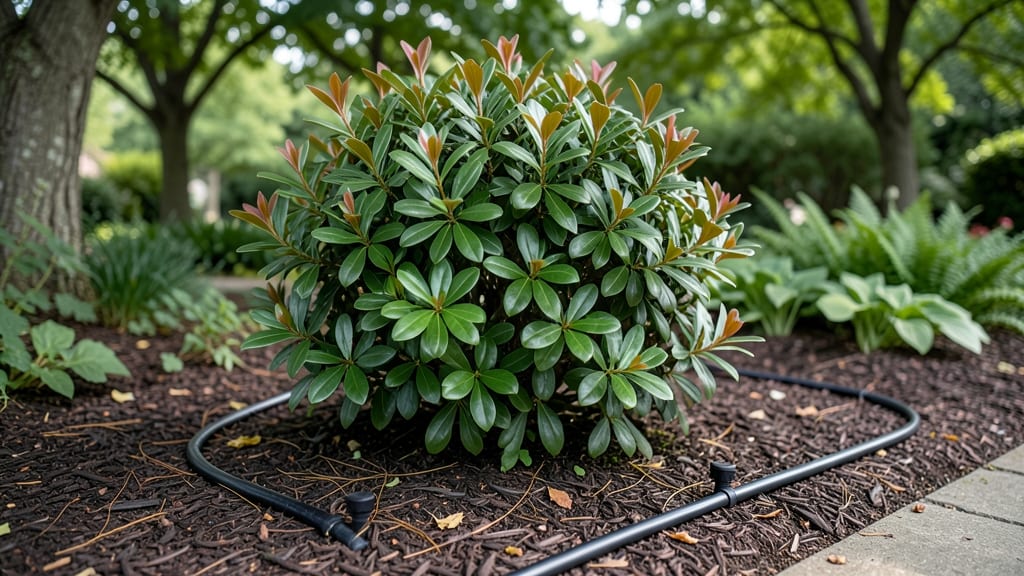
The privacy bushes that grow in shade I finally found—boxwoods, hydrangeas, and holly—turned my gloomy backyard into a thriving, green sanctuary. These plants create natural screens that block nosy neighbors while adding year-round greenery to your yard.
The key is choosing plants that match your space’s light conditions and growth goals. Boxwoods grow slowly but stay compact, perfect for tight areas, while hydrangeas offer bold foliage and flowers.
Spacing matters too: plant shrubs 12–18 inches apart for a dense screen within 3–5 years, depending on the variety. For faster results, mix in taller evergreens like holly or rhododendrons.
By late summer, your screen will feel like a private oasis—fragrant, textured, and alive with birds and butterflies. The best part? No more struggling with leggy, sun-starved plants. These shade lovers grow stronger each year, their glossy leaves creating a living wall that’s both functional and beautiful.
Works for patios, pool areas, or backyard boundaries where sunlight is scarce. Start with one or two varieties to test what thrives in your microclimate, then expand as you see what grows best. Your dark corner won’t just hide—it’ll shine.
📚 In This Guide
- What you need
- Instructions
- Tips and common mistakes
- Wrapping up and next steps
What you need
- ● Shade-tolerant privacy plants: 10–20 Pieris japonica (Andromeda) – 1–3 ft tall, evergreen, thrives in partial shade
- ● 10–15 Rhododendron (Azalea) – 3–6 ft tall, blooms in spring, loves dappled shade
- ● 8–12 Boxwood (Buxus) – 2–4 ft tall, dense foliage, great for hedges 🌿
- ● 5–10 Inkberry Holly (Ilex glabra) – 5–10 ft tall, drought-tolerant, thrives in deep shade
- ● 10–15 Dwarf Fothergilla – 3–5 ft tall, fragrant spring blooms, loves partial shade
- ○ Soil amendments (optional but helpful): 2–3 bags peat moss or compost (for acidic-loving plants like rhododendrons)
- ● 1–2 bags pine bark fines (improves drainage and aeration)
- ● Mulch: 5–10 bags pine straw or wood chips (3–4 inches deep to retain moisture)
- ● Basic tools: 1 shovel or spade (for digging)
- ● 1 garden trowel (for transplanting seedlings)
- ● 1 pruning shears (to shape plants as they grow)
- ● 1 measuring tape (to plan spacing, ~3–6 ft apart for shrubs)
- ○ Optional (but handy!): 1 wheelbarrow (for moving soil/amendments)
- ● 1 garden hose or watering can (for post-planting hydration)
- ● 1 gloves (to protect your hands from thorns or rough bark)
- ● Prerequisites: ✅ A shady or partially shaded area (dappled sunlight is ideal!)
- ● ✅ Well-draining soil (amend if clay-heavy with compost)
- ● ✅ Patience! Some shrubs take 2–3 years to fill out completely. 🌱
How to create a lush evergreen privacy screen in shady spots
Here’s how I’ve transformed dark corners into year-round privacy havens using shade-tolerant evergreens.
Select the Right Shade-Loving Evergreen Species
Not all evergreens thrive without sun—choose varieties proven to handle low light. My top picks for dense privacy screens include Leyland cypress (tolerates partial shade), Emerald green arborvilla (slow-growing but reliable), and Inkberry holly (native, disease-resistant, and drought-tolerant once established). Avoid traditional boxwoods or junipers, which yellow and decline in deep shade.
For faster results, opt for pre-grown 3-4 foot plants spaced 4-6 feet apart in rows. This spacing ensures foliage fills gaps within 3-5 years without overcrowding. If starting from smaller nursery stock, allow 6-8 feet between plants and plan for slower fill-in. Always check the plant tag for mature height—some "compact" varieties still reach 12 feet at maturity.
Prepare the Planting Site for Low-Light Conditions
Test your soil’s drainage first—shade-loving evergreens rot in soggy conditions. Dig a hole twice as wide as the root ball but no deeper. Amend the native soil with 3 inches of compost mixed into the bottom 1/3 of the hole to improve fertility without compacting roots. I avoid peat moss in shade plantings—it can acidify soil and stress evergreens.
For heavy clay soil, add 1 part perlite to 3 parts native soil in the backfill mix to prevent compaction. Water the hole thoroughly before planting, then let it drain for 30 minutes. This pre-soaking prevents air pockets that strangle roots. If your yard has standing water after rain, consider raised beds or mounded soil to elevate roots.
Plant with Proper Spacing and Mulching
Remove the plant from its container and loosen any circling roots with your fingers—evergreens shipped in tight pots struggle to establish. Place the root ball 1 inch deeper than it sat in the nursery pot to encourage stability. Backfill with native soil (no amendments) and tamp gently in 2-inch layers to eliminate air gaps.
Spread 3 inches of wood chip mulch (not dyed or dyed black) over the root zone, keeping it 6 inches away from the stem to prevent rot. Mulch retains moisture and regulates soil temperature, which is critical for shade plants that rarely dry out. Water deeply after planting—1 gallon per plant—until the soil 6 inches down feels uniformly moist.
Water and Fertilize for Shade-Adapted Growth
Shade-tolerant evergreens need consistent moisture but hate soggy roots. Water once weekly during the first growing season, delivering 2-3 gallons per plant until runoff appears. Check soil moisture by pushing a 6-inch screwdriver into the ground—if it resists, water again. Mature screens (after 2 years) need watering only during prolonged dry spells (no rain for 10+ days).
Fertilize lightly in early spring with a slow-release, acid-loving plant formula (look for 10-10-10 or 16-4-8). Avoid high-nitrogen fertilizers—they promote soft, sun-seeking growth that flops in shade. I apply ½ pound per 100 square feet of screen area, then top-dress with 1 inch of compost annually. Never fertilize in fall—new growth won’t harden off before winter.
Prune for Density and Year-Round Privacy
Prune once yearly in late winter (before new growth starts) to shape the screen and encourage bushiness. Remove dead or crossing branches first, then thin out 10% of the oldest growth from the center to improve airflow. Never shear evergreens—it creates a "haircut" look that blocks light to inner branches, leading to sparse growth.
For faster fill-in, trim new growth tips by ⅓ in early summer. This redirects energy to lateral branches, creating a fuller screen 2-3 years sooner. Use clean, sharp bypass pruners and sterilize them with 70% isopropyl alcohol between cuts to prevent disease spread. If your screen develops brown tips, it’s a sign of low humidity—mist plants occasionally or add a thin layer of mulch to retain moisture.
Tips & tricks for perfect evergreen privacy screens in shade
Here's what I've learned after transforming multiple dark corners into lush, year-round privacy havens.
Species Selection: When choosing between Leyland cypress, Emerald green arborvilla, and Inkberry holly, consider your timeline. Leyland cypress grows fastest but needs more space (12-15 feet tall), while Inkberry holly stays compact (3-5 feet) but may take longer to fill in. For partial shade areas, I've found that Leyland cypress handles light better than most, but always verify the specific shade conditions of your planting site before purchasing.
Soil Preparation: The 30-minute drainage test before planting is non-negotiable. Fill a bucket with water, pour it into the planting hole, and time how long it takes to drain. If it takes longer than 30 minutes, you'll need to amend the soil or consider raised beds. For clay-heavy soils, I've had success mixing in 1 part perlite to 3 parts native soil—not only does this improve drainage, but it also prevents compaction that can strangle roots during the critical first year.
Root Ball Handling: Circling roots are the silent killer of evergreen establishment. When removing plants from containers, gently tease apart any roots growing in circles with your fingers—this prevents girdling as the plant matures. I've seen many privacy screens fail because this step was skipped, leading to poor root development and stunted growth. For larger plants, you might need a small hand pruner to carefully cut through stubborn root circles without damaging the main roots.
Pruning Strategy: The late winter pruning schedule is key, but don't stop there. In early summer, when you trim new growth tips by ⅓, focus on the outer third of the plant. This creates a natural, layered look while encouraging bushiness. I've noticed that many gardeners over-prune the center, which actually creates gaps in the screen. The goal is to maintain that dense, impenetrable look that blocks both view and wind.
Pro Tips for Privacy Bushes That Grow In Shade
- Here's what I've learned after transforming multiple dark corners into lush, year-round privacy havens.
- Species Selection: When choosing between Leyland cypress, Emerald green arborvilla, and Inkberry holly, consider your timeline.
- Soil Preparation: The 30-minute drainage test before planting is non-negotiable.
Frequently asked questions
Got questions about growing privacy bushes in shady spots? You’re not alone! Here are some of the most common concerns—and their answers—to help you create a lush, evergreen screen without the sun struggles.
What are the best fast-growing privacy bushes for shade?
Look for evergreen varieties like Holly (Ilex), Boxwood (Buxus), or Inkberry Holly (Ilex glabra). These tolerate low light and grow at a moderate pace (1–2 feet per year). For quicker results, try Leucothoe—it’s shade-tolerant and adds year-round texture!
How long does it take for shade-loving privacy bushes to fill in?
Most shade-tolerant bushes take 3–5 years to reach full privacy height (6–10 feet). Pro tip: Plant in spring or early fall for the best root establishment. If you need faster coverage, layer with ornamental grasses (like Carex) for instant visual density!
Can I grow privacy bushes in total shade (no direct sunlight)?
Yes! While partial shade (2–6 hours of dappled light) is ideal, some bushes like Rhododendrons or Pieris Japonica thrive in deep shade. Just amend soil with organic compost to improve moisture retention—these plants hate soggy roots!
What if my shade bushes aren’t growing well? Troubleshooting tips?
Check for these red flags:
Yellow leaves? Likely overwatering or poor drainage. Amend soil with sand or perlite.
Leggy or sparse? Needs more light (even filtered light helps). Try a sheer fabric screen to boost indirect light.
Brown tips? Could be underwatering or fluoride sensitivity (common in tap water). Use rainwater or distilled H₂O instead.
Are there non-bush alternatives for shade privacy?
Consider:
- Tall ferns (e.g., Ostrich Fern) for soft, feathery screens.
- Evergreen vines like English Ivy or Star Jasmine on trellises.
- Bamboo (clumping types!) for fast, vertical growth (but check local regulations—some areas ban running bamboo).
Pro tip: Mix textures (e.g., boxwood + ferns) for a layered, natural look!
Wrapping up and next steps
Transforming your shady spots into lush, private retreats is easier than you think! With the right privacy bushes that thrive in shade, you can create evergreen screens that add beauty and seclusion without needing direct sunlight.
Whether you’re working with a dark corner, a north-facing yard, or a spot under trees, these plants offer year-round solutions that grow effortlessly.
Ready to take the next step? Start small—pick one or two varieties to test in your space, then expand as you see what thrives. Your future shaded oasis is just a few plants away! 🌿✨