
Orchid Care
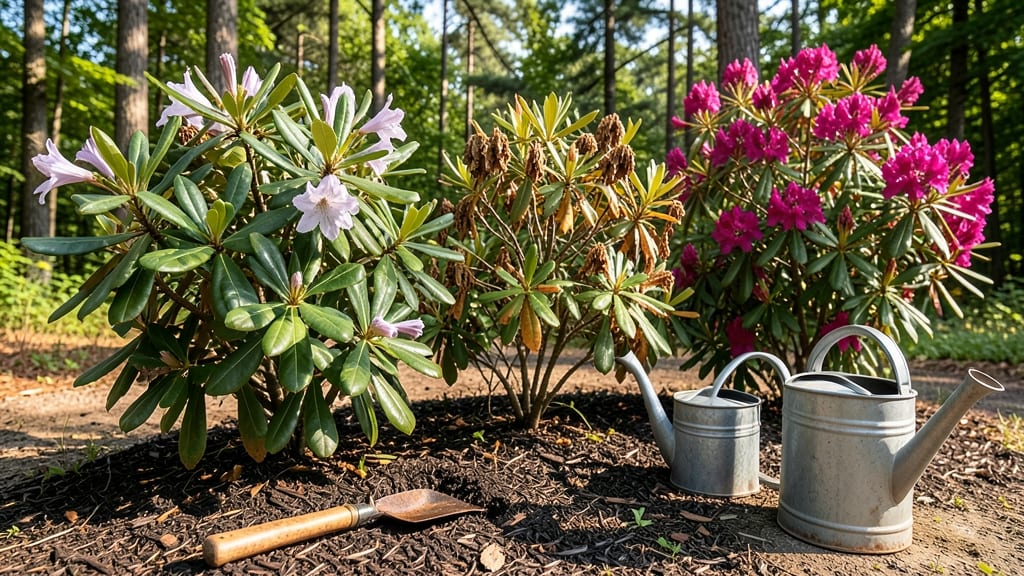
Rhododendrons thrive in shade or sun when balanced just right — but most gardeners miss the hidden factor that turns "good enough" into showstopping blooms.
Picture this: your 🌸 rhododendrons stand tall in your garden, but the flowers are sparse or pale. You’ve watered them, fed them, even pruned—yet something’s still off. The secret? It’s not just about sunlight exposure, but the soil pH working in harmony with those light conditions.
In cooler climates like USDA zones 5-9, rhododendrons often bask in morning sun but retreat from harsh afternoon rays. Meanwhile, hotter regions demand deeper shade to prevent leaf scorch.
The trick is understanding how your local microclimate interacts with soil acidity—because even the right shade can fail if the pH is wrong.
Below, I’ll break down the ideal light balance, soil pH secrets, and 3 common mistakes that kill blooms—so you can finally get the lush, vibrant rhododendrons you’ve been dreaming of.
 Best Window Placement
Ideal sunlight conditions for rhododendrons: shade vs sun balance
Rhododendrons are finicky about sunlight, and getting the balance right between morning sun and afternoon shade can mean the difference between vibrant blooms and struggling shrubs. These plants thrive in partial shade, but their exact needs depend on your USDA hardiness zone and local climate.
In hotter regions like Zone 8-9, they may need more shade, while cooler zones like Zone 5-6 can handle a bit more morning sun.
One common mistake is assuming all shade is equal. Dappled shade from trees is ideal, but dense shade can lead to stunted growth and fewer blooms. The key is to mimic their natural understory habitat—light that filters through leaves rather than harsh, direct rays.
If your rhododendrons are already planted, observe their leaves for yellowing or crispy edges, which are clear signs of too much sun exposure.
| Light Condition | Ideal Sun Exposure | Best For | Signs of Stress |
|---|---|---|---|
| Morning Sun | 2-4 hours (before 10 AM) | Cooler climates (Zones 5-6) | Leaf scorch on edges |
| Afternoon Shade | Full shade after 2 PM | Hot climates (Zones 7-9) | Pale, weak foliage |
| Dappled Shade | Filtered light all day | All zones (ideal balance) | Healthy glossy leaves |
| Full Shade | No direct sun | North-facing walls | Leggy, sparse growth |
Regional adaptations are crucial when placing rhododendrons. In Pacific Northwest gardens, where summers are mild, they can tolerate morning sun and afternoon shade without issue. However, in southeastern states like Georgia or Florida, the intense afternoon sun can cause leaf burn within weeks.
If you're unsure about your microclimate, start with a north-facing location and adjust based on how the plant responds over a season.
Assessing your garden’s microclimates involves more than just checking the compass direction. Notice how sunlight moves across your yard throughout the day. A spot that gets morning sun but remains shaded by 11 AM is perfect.
Use a light meter or even your phone’s light sensor app to track exposure levels. If your rhododendrons are in a container, move them to a shadier spot during peak summer heat—this simple adjustment can prevent sunburned leaves and extend their blooming season.
Growth patterns also reveal sunlight needs. Healthy rhododendrons grow compact and bushy with dark green leaves. If yours are stretching toward the light or developing yellowish-green leaves, they’re likely not getting enough light.
Conversely, crispy brown edges on leaves signal too much sun. Prune back any leggy growth in spring to encourage a fuller shape and better light distribution within the plant itself.
For beginners, a great rule of thumb is to plant rhododendrons where they’ll receive no more than 4 hours of direct sun per day, with the majority of that exposure in the morning.
If your garden is small or lacks natural shade, consider using light-colored shade cloth (30-50% shade) during the hottest hours. This mimics the natural filtering effect of tree canopies and keeps your rhododendrons thriving without drastic location changes.
Don’t overlook the role of seasonal adjustments. In spring and fall, when temperatures are cooler, rhododendrons can handle a bit more sun. But during summer’s peak heat, even a few extra hours of direct sunlight can cause stress.
If you notice drooping leaves or wilting buds, it’s time to provide additional shade. A simple solution is to place a white umbrella or lattice screen nearby to diffuse the sunlight.
When in doubt, observe nature’s examples. Rhododendrons grow naturally under forest canopies, where sunlight is gentle and indirect. Recreating this environment in your garden—whether through strategic planting or artificial shade—will give your rhododendrons the ideal sunlight balance they crave.
With the right light conditions, you’ll be rewarded with vibrant blooms and lush foliage year after year.
🌸
Soil pH secrets: how acidic conditions boost rhododendron blooms
Your rhododendrons might be getting enough shade or sun, but if your soil isn’t acidic enough, those stunning blooms will stay stubbornly out of reach. These plants thrive in a pH range of 4.5–6.0, mimicking their natural forest-floor habitat.
When soil pH creeps above 6.0, nutrient uptake plummets, leading to weak growth and sparse flowers—even in perfect light conditions.
I’ve seen firsthand how limestone-heavy soils in regions like the Midwest or Southeast can push pH toward 7.0 or higher, locking out essential nutrients like iron and manganese. Without intervention, your rhododendrons might look healthy but fail to bloom.
The good news? Adjusting soil acidity is simpler than you think, and organic amendments can work wonders without harsh chemicals.
🌱 Key Takeaway: The Acidic Advantage
Use a soil pH test kit (digital or liquid) to confirm your current level.
Aim for 4.5–6.0 pH—below 4.5 can harm roots, while above 6.0 starves them.
Pine needles or peat moss lower pH naturally over time.
Re-test soil every 2–3 years—alkaline buildup sneaks up fast!
Start by testing your soil’s pH using a home test kit (available at garden centers for under $10). Dig a 6-inch-deep sample from the root zone of your rhododendrons, mix it with distilled water, and follow the kit’s instructions.
If your results show a pH above 6.0, don’t panic—organic matter like pine needles or sphagnum peat moss can safely lower it over time.
For immediate results, mix 1–2 inches of pine needles into the topsoil around your plants. These needles release tannins that acidify the soil gradually.
In limestone-heavy areas, I’ve had success with elemental sulfur (1–2 pounds per 100 square feet), which dissolves slowly to lower pH. Always water thoroughly after amending to activate the process.
Long-term maintenance is key. Mulch annually with acid-loving plant mulch (like pine bark) to preserve soil acidity. Avoid fresh wood chips or composted yard waste, which can raise pH over time.
In regions with high rainfall, like the Pacific Northwest, soil naturally stays acidic, but in drier climates, you may need to re-test and amend every 2–3 years.
Remember, rhododendrons in shade or sun both benefit from acidic soil, but their light needs influence how often you’ll need to adjust pH. Shadier plants may require less frequent testing, while those in partial sun (especially in hot climates) can dry out faster, accelerating pH shifts.
Keep an eye on leaf color—yellowing between veins often signals iron deficiency from high pH.
With the right soil pH, your rhododendrons will reward you with vibrant blooms year after year, regardless of whether they’re basking in morning sun or thriving in dappled shade. Happy gardening! 🌸