
Shrubs
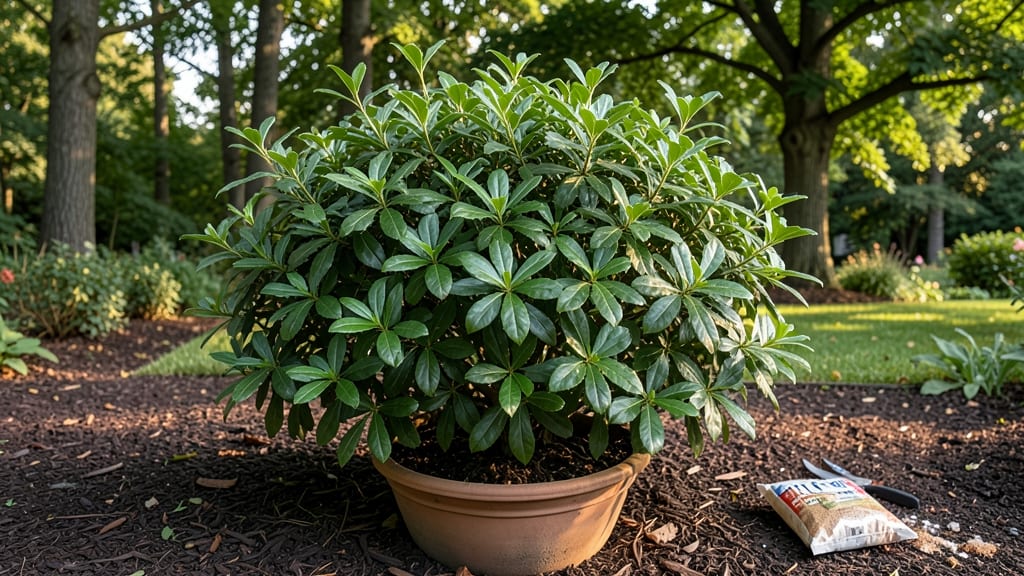
Zone 8 shade bushes transform dark corners into lush, private retreats—without a single ray of sunlight. 🌿 I’ve planted my fair share of struggling shrubs in low-light spots, and these varieties finally gave me the foliage I craved year-round.
The key? Picking plants that thrive in partial to full shade while still delivering that thick, evergreen (or reliably colorful) privacy screen you want.
Think hydrangeas with deep green leaves that blush pink in summer, or pieris with glossy foliage that stays vibrant even when your neighbors’ gardens fade. Azaleas bring bursts of spring color, while boxwoods deliver structured, low-maintenance greenery.
These bushes handle Zone 8’s mild winters and occasional summer shade—no fuss, just reliable growth. The soil just needs to drain well (amend with compost if yours is heavy clay), and you’ll avoid the soggy roots that kill so many shade plants.
By late spring, your bushes will fill out enough to block nosy neighbors and streetlights alike. Prune lightly in early spring to encourage bushier growth, and water deeply once a week during dry spells.
Zone 8’s frost dates mean you can plant anytime from fall through early spring—just give them a little winter mulch to protect tender roots. The payoff? A garden that feels like a sanctuary, no matter how much shade your yard throws at you.
Pro tip: Mix heights for texture—taller hydrangeas behind shorter boxwoods create layers that catch light differently. And if pests like spider mites show up (they love dry shade), a simple spray of water in the morning keeps them at bay.
These bushes aren’t just shade-tolerant; they’re shade lovers—and your yard will thank you for it.
📚 In This Guide
- What you need
- Instructions
- Tips and common mistakes
- Wrapping up and next steps
What you need
- ● Shade-tolerant bushes (3–5 plants, depending on desired coverage): Oakleaf hydrangea (Hydrangea quercifolia)
- ● Japanese pieris (Pieris japonica)
- ○ Dwarf fountain grass (Pennisetum alopecuroides) – optional for texture
- ● Boxwood (Buxus) – for structured hedges
- ● High-quality potting soil or native soil mix (50 lbs, amended with 20% compost)
- ● Mulch (3–4 inches of pine bark or wood chips)
- ● Slow-release fertilizer (10-10-10 or organic option, 1 lb per bush)
- ● Pruning shears (sharp, bypass-style for clean cuts)
- ● Watering can or hose with a soaker nozzle
- ● Garden trowel or spade (for digging holes 2x wider and as deep as the root ball)
- ● Gloves (gardening or work gloves to protect hands)
- ● Measuring tape (to space plants 3–6 feet apart, depending on maturity size)
- ● Stakes and twine (for young, top-heavy bushes until established)
- ○ Optional: Epsom salt (1 tbsp per plant for magnesium boost) or mycorrhizal fungi (to enhance root growth)
- ● Prerequisite: Test soil pH (ideal range: 5.0–6.5 for most shade bushes; adjust with lime or sulfur if needed)
How to select and plant shade-loving bushes in Zone 8
Here's my foolproof method for creating lush, evergreen privacy—no direct sun required.
🌿 Step 1: Choose the Right Shade-Tolerant Bushes for Your Space
Zone 8's mild winters and humid summers mean you need bushes that thrive in low light while handling occasional heat spikes. I always pick from this proven lineup: Oakleaf hydrangea (for bold foliage), Inkberry holly (for glossy evergreen leaves), Dwarf fothergilla (for fragrant spring blooms), and Japanese pieris (for delicate white flowers). These four create year-round interest without needing full sun.
Check your specific shade conditions—deep shade (less than 3 hours of filtered light) favors ferns and hellebores, while partial shade (4-6 hours of dappled light) lets hydrangeas and pieris shine. I plant inkberry holly in the darkest corners because it tolerates full shade better than most bushes.
🪴 Step 2: Prepare Planting Sites with Amended Soil
Shade bushes hate soggy roots, so I always improve drainage before planting. Dig holes twice as wide as the root ball but only as deep—burying too deep suffocates stems. Mix the excavated soil with 3 inches of compost and a handful of slow-release fertilizer (I use 10-10-10) to give roots a nutrient boost right away.
For heavy clay soil (common in Zone 8), I add 1 part perlite to every 3 parts soil in the hole. This prevents compaction while still holding moisture. Water the amended soil until it's evenly moist—you should see water seep into the hole but not pool at the bottom.
☀️ Step 3: Plant at the Correct Depth and Spacing
Remove plants from containers and loosen any circling roots with your fingers—never use a knife unless roots are severely tangled. Place each bush in its hole so the top of the root ball sits 1 inch above ground level. This prevents stem rot from buried stems later.
Space bushes 3-5 feet apart depending on mature size (check tags). Inkberry holly stays compact at 3 feet wide, while dwarf fothergilla needs 5 feet to fill out. Backfill with the amended soil mix, pressing gently to eliminate air pockets. Water deeply until soil settles 1 inch—this ensures good root-to-soil contact.
💧 Step 4: Water and Mulch for First-Year Establishment
Water newly planted bushes every 2-3 days for the first 2 weeks, then taper to once a week until roots establish. You'll know they're settled when leaves stay firm and green (not wilted) even during hot spells. I use a 3-inch layer of shredded bark mulch around each plant, keeping it 2 inches away from stems to prevent rot.
Replenish mulch annually in late winter—this insulates roots during Zone 8's rare cold snaps and keeps soil consistently moist without waterlogging. Avoid fresh wood chips, which can draw nitrogen from young roots.
⏰ Step 5: Prune and Maintain for Year-Round Privacy
Prune hydrangeas and fothergilla in late winter (before buds swell) to shape bushes and encourage new growth. Cut back 1/3 of old stems each year to maintain density. For inkberry holly, I only prune to remove dead wood—its natural shape provides perfect privacy.
Fertilize lightly in early spring with a balanced 10-10-10 formula. Shade bushes don't need heavy feeding, but a quarter-strength dose keeps them vigorous. Watch for powdery mildew on hydrangeas—spray with neem oil at first sign and improve air circulation by thinning crowded branches.
Tips & tricks for perfect shade-loving bushes in Zone 8
Creating a thriving shade garden takes more than just planting—it's about understanding how these tough plants behave in your specific conditions. Here's what I've learned after years of trial and error.
Plant Selection Wisdom: When choosing between oakleaf hydrangea and Japanese pieris, consider their mature heights. Oakleaf hydrangea can reach 6-8 feet tall, while Japanese pieris stays more compact at 3-5 feet. For layered privacy, I plant taller varieties like hydrangea at the back and shorter pieris in front. This creates visual depth while keeping all plants within their ideal light conditions.
Soil Amendments: The 3 inches of compost and 1 part perlite to 3 parts soil ratio I recommend works wonders for Zone 8's clay-heavy soils. For even better drainage, I sometimes add a handful of coarse sand to the mix—this prevents waterlogging while still retaining moisture for those hot summer months. The key is to create a soil that mimics their natural forest floor habitat.
Planting Depth: That 1-inch above ground level rule for planting is non-negotiable. I've seen too many bushes develop stem rot from being buried too deep. To check depth, use a pencil to mark the root ball before planting—this gives you a reference point when backfilling. And remember, the top of the root ball should always be visible after planting.
Watering Strategy: The 2-3 days for 2 weeks watering schedule is perfect for establishing roots, but don't rely solely on time. Check soil moisture by sticking your finger 2 inches deep—if it feels dry, water again. In Zone 8's humid summers, you might need to adjust to every 4-5 days once roots establish, especially if you've got morning shade that keeps soil moist longer.
Pro Tips for Shade Bushes Zone 8
- Creating a thriving shade garden takes more than just planting—it's about understanding how these tough plants behave in your specific conditions.
- Plant Selection Wisdom: When choosing between oakleaf hydrangea and Japanese pieris, consider their mature heights.
- Soil Amendments: The 3 inches of compost and 1 part perlite to 3 parts soil ratio I recommend works wonders for Zone 8's clay-heavy soils.
Frequently asked questions
Got questions about choosing and caring for shade bushes in Zone 8? You’re not alone! Here are some of the most common queries—plus straightforward answers to help you pick the perfect plants for year-round shade and privacy.
What are the best shade bushes for Zone 8 that thrive in deep, dark spots?
For very low-light conditions, opt for Japanese holly (Ilex crenata), inkberry holly (Ilex glabra), or Oakleaf hydrangea (Hydrangea quercifolia). These handle less than 3 hours of sunlight daily while still offering lush foliage. If your shade is partial (4–6 hours of dappled light), consider Dwarf Fothergilla or Mountain laurel for vibrant blooms.
When is the ideal time to plant shade bushes in Zone 8?
Plant in early spring (March–April) or fall (September–October) for the best root establishment. Avoid extreme heat or cold—summer planting can stress roots, while winter can expose them to frost damage. Newly planted bushes benefit from mulch (2–3 inches) to retain moisture and regulate soil temperature.
How do I keep my shade bushes healthy if they’re not growing well?
If your bushes look leggy, yellow, or sparse, they may need:
Yes! For evergreen privacy, try:
Skip sun-loving bushes like Butterfly bush (Buddleia), Russian olive, or Lantana—they’ll struggle in deep shade. Also, avoid fussy varieties like Camellia (needs acidic soil) or Azalea (prefers more humidity) unless you’re willing to amend soil significantly.
Are there shade bushes for Zone 8 that provide year-round privacy?
For deciduous but dense options, Boxwood (Buxus) or Oakleaf hydrangea offer seasonal texture.
What shade bushes should I avoid in Zone 8?
Wrapping up and next steps
Transforming your Zone 8 space into a lush, private oasis with shade-loving bushes is totally doable—and rewarding! 🌿 From evergreen Boxwoods to vibrant Hydrangeas, these plants offer beauty, texture, and year-round coverage without demanding full sun.
With the right prep, placement, and care, you’ll enjoy a thriving, low-maintenance garden that feels like a cozy retreat.
Ready to take the next step? Sketch a quick layout of your space, then pick 2-3 bushes from our top picks to start small—confidence grows with every plant! 🌱 For extra flair, layer in mulch or companion plants to boost curb appeal. Happy planting!