
Light Requirements
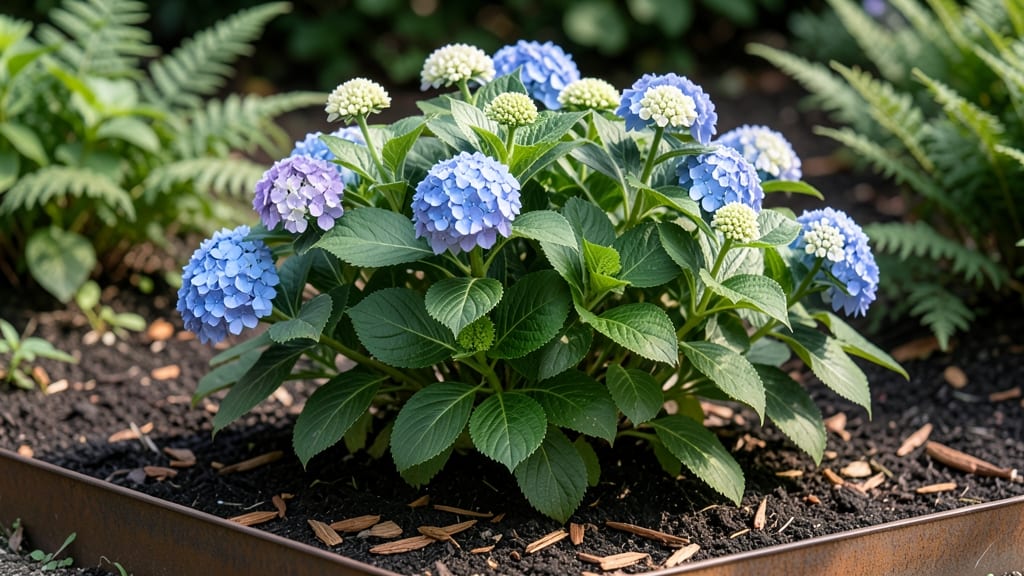
Zone 4's brutal winters and deep shade can turn your yard into a gardening no-go zone—but not with the right shade-loving bushes. ✨ After years of trial and error (and a few frozen plants), I’ve found varieties that not only survive but thrive in these tough conditions, turning shady corners into lush, year-round focal points.
The secret? Choosing cold-hardy, slow-growing bushes that tolerate low light and heavy snow loads. Think inkberry holly for dense privacy, dwarf fothergilla for fragrant spring blooms, or eastern ninebark for vibrant foliage that pops even in winter.
These plants handle Zone 4’s -30°F winters like a champ, with roots that stay protected and stems that bounce back from snow damage.
By late spring, you’ll see glossy new leaves unfurling, and by summer, your shade garden will be a vibrant mix of textures and colors—no direct sun required.
The best part? These bushes need minimal fuss: a little mulch in fall, occasional pruning to shape them, and they’ll reward you with decades of low-maintenance beauty.
Whether you’re filling a dark corner under trees or lining a north-facing fence, these shade stars deliver structure, color, and wildlife benefits without demanding full sun. Let’s pick the perfect ones for your space!
📚 In This Guide
- What you need
- Instructions
- Tips and common mistakes
- Wrapping up and next steps
What you need
- ● Shade-tolerant bushes (3–5 plants, depending on desired coverage): 1–2 Hydrangea macrophylla (Bigleaf hydrangea)
- ● 1–2 Pieris japonica (Japanese andromeda)
- ● 1–2 Viburnum dentatum (Arrowwood viburnum)
- ● 1 Kalmia latifolia (Mountain laurel, slow-growing)
- ● 1 Berberis thunbergii (Japanese barberry, for structure)
- ● High-quality potting soil or garden soil (50 lbs bag, amended with 30% compost for drainage)
- ● Organic mulch (3–4 cubic feet of pine bark or shredded leaves)
- ● Slow-release fertilizer (10-10-10 or acid-loving plant fertilizer for hydrangeas/kalmia)
- ○ Mulch rings or landscape fabric (optional, to retain moisture and suppress weeds)
- ● Garden trowel or spade (for digging holes 2x wider than the root ball)
- ● Garden gloves (heavy-duty for thorny bushes like barberry)
- ● Watering can or hose with soaker nozzle (for gentle hydration)
- ● Wheelbarrow (to mix soil amendments)
- ● Measuring tape (to space plants 3–6 ft apart, depending on variety)
- ● Pruning shears (for cleanup after planting)
- ○ Optional: Soil pH test kit (to adjust acidity for hydrangeas or kalmia)
- ● Site assessment: Ensure the area gets daily
- ● Soil test: Ideal pH for most shade bushes: 5.0–6.5 (amend with sulfur if needed)
- ● Winter prep: Zone 4 means cold-hardy varieties only—avoid tropical plants!
- ● Water access: Drip irrigation or consistent watering (especially in first year)
- ● Pro tip: Plant in early spring or fall to avoid extreme heat/cold stress! 💡
How to select and plant shade-loving bushes in Zone 4
Here’s how to choose and establish hardy, low-maintenance shrubs that thrive in shady spots and tough winters.
🌿 Step 1: Choose Cold-Hardy, Shade-Tolerant Varieties
Zone 4’s brutal winters rule out many tender shrubs, but a few standouts like inkberry holly, dwarf ninebark, and Japanese pieris survive easily. Look for labels specifying "Zone 3-8" or "Zone 4"—these handle -25°F to -30°F without fuss. Inkberry holly, for example, keeps its glossy leaves year-round and handles wet soil better than most.
Check plant tags for "full to partial shade" requirements. Some bushes tolerate 2-4 hours of morning sun, while others need deep shade (less than 2 hours of direct light). If your spot gets only dappled light, opt for astilbe or hydrangea—they’re forgiving and bloom reliably.
🪴 Step 2: Prepare the Planting Site
Dig a hole twice as wide as the root ball but no deeper—this prevents water pooling around roots. Amend the native soil with 2-3 inches of compost (mixed into the bottom and sides of the hole) to improve drainage and fertility. Zone 4 soil is often heavy clay, so this step is critical for root health.
Test the site’s moisture level—shade-loving bushes like inkberry and spirea hate soggy roots. If your yard stays damp, raise the planting area by 3-4 inches with a mound of amended soil. Water the hole thoroughly before planting to settle the soil and eliminate air pockets.
☀️ Step 3: Plant at the Right Depth and Mulch
Place the shrub so the top of the root ball sits level with the surrounding soil—burying the stem crown too deep causes rot, while planting too high stresses the plant. Gently loosen roots if they’re circling tightly (common with container-grown bushes). Backfill with native soil, tamping lightly to remove air gaps.
Spread 3 inches of mulch (wood chips or shredded bark) over the soil surface, keeping it 6 inches away from the stem to prevent moisture buildup. Mulch insulates roots in winter and retains moisture in summer. Replenish mulch annually—it breaks down faster in shady, damp areas.
💧 Step 4: Water Deeply and Monitor Growth
Water deeply once a week (or more in dry spells) until the shrub establishes roots—usually 6-8 weeks. You’ll know it’s settled when new growth appears in spring. Avoid overhead watering; instead, use a soaker hose or water at the base to keep foliage dry and reduce disease risk.
Watch for yellowing leaves—a sign of overwatering or poor drainage. If the soil stays soggy, amend with sand or perlite to improve aeration. In Zone 4, shade-loving bushes often go dormant in winter, so no extra watering is needed until spring growth resumes.
✂️ Step 5: Prune for Health and Shape
Prune late winter or early spring (just before new growth starts) to remove dead or crossing branches. Use clean, sharp shears to make cuts at a 45-degree angle just above a bud. Avoid heavy pruning—most shade bushes bloom on old wood, so cutting back too much reduces flowers.
Shape lightly in summer if needed, but focus on removing only 10-20% of the plant at a time. Over-pruning stresses shade bushes, which already struggle to photosynthesize in low light. A light trim after flowering keeps them tidy without sacrificing energy reserves.
Tips & tricks for perfect shade-loving bushes in Zone 4
These simple tricks will help you choose the hardiest plants and establish them for long-term success in your shady yard.
Zone Hardiness Matters: When shopping for bushes, always double-check the label for "Zone 4" or "Zone 3-8" compatibility—these varieties can handle temperatures down to -25°F to -30°F. I once planted a Zone 5 bush that died in our first winter because I missed this detail. Look for specific mentions of inkberry holly or dwarf ninebark—these are proven survivors in harsh winters.
Sunlight Nuances: The instructions mention 2-4 hours of morning sun is acceptable, but real talk: morning sun is gentler than afternoon sun. If your spot gets only dappled light, astilbe and hydrangea are your best bets—they tolerate inconsistent light better than most. For true deep shade areas (less than 2 hours of sun), consider Japanese pieris or spirea which thrive with minimal light exposure.
Soil Prep Secret: That 2-3 inches of compost in Step 2 is non-negotiable for Zone 4's heavy clay soil. I learned this the hard way when my first planting struggled—amend the soil with compost AND consider adding a handful of sand or perlite if your area stays soggy. This improves drainage without altering the soil structure too much. The goal is to mimic the bush's natural growing conditions as closely as possible.
Mulching Strategy: The 3 inches of mulch recommendation is perfect, but here's what nobody tells you—use wood chips or shredded bark specifically, not dyed mulch. Dyed mulch can leach chemicals into your soil, potentially harming your plants. Also, keep that mulch 6 inches away from the stem to prevent rot. I've seen too many new gardeners make this mistake and lose their bushes to crown rot.
Pro Tips for Shade Loving Bushes Zone 4
- These simple tricks will help you choose the hardiest plants and establish them for long-term success in your shady yard.
- Zone Hardiness Matters: When shopping for bushes, always double-check the label for "Zone 4" or "Zone 3-8" compatibility—these varieties can handle temperatures down to -25°F to -30°F.
- Sunlight Nuances: The instructions mention 2-4 hours of morning sun is acceptable, but real talk: morning sun is gentler than afternoon sun.
Frequently asked questions
Got questions about shade-loving bushes in Zone 4?
You’re not alone! Here are answers to the most common concerns—from planting tips to winter prep—so you can choose and care for the perfect low-light shrubs for your yard.
What are the best shade-tolerant bushes for Zone 4 that thrive in full shade?
Top picks for full shade include Hydrangea macrophylla (like ‘Endless Summer’), Pieris japonica (Japanese andromeda), and Helleborus niger (Christmas rose). These varieties handle less than 3 hours of direct sun daily and tolerate Zone 4’s cold winters. For partial shade (3–6 hours of sun), consider Viburnum dentatum or Weigela florida.
How do I protect shade bushes from Zone 4 winters?
Most shade-loving bushes are hardy, but a 3-inch layer of mulch around the base insulates roots. For tender varieties (like Hydrangea), wrap young plants in burlap or use frost cloth. Avoid heavy pruning in late fall—wait until early spring to trim dead wood. Evergreens like boxwoods may need occasional watering in dry winters to prevent desiccation.
Can I plant shade bushes in Zone 4 in early spring or fall?
Both seasons work! Fall planting (September–October) gives roots time to establish before winter, while early spring (April–May) avoids summer heat stress. Avoid planting in extreme cold (below 20°F) or drought-prone summer months. Amend soil with compost and water thoroughly after planting to reduce transplant shock.
What if my shade bush isn’t thriving? Troubleshooting tips for Zone 4 gardens.
- Yellowing leaves: Often a sign of overwatering or poor drainage. Ensure soil drains well and adjust watering—shade bushes typically need 1 inch of water weekly (less in winter).
- No flowers: Could mean too much shade or lack of nutrients. Prune to improve airflow and fertilize in early spring with a balanced, slow-release fertilizer.
- Brown, crispy edges: Likely winter burn or dry air. Mulch heavily and consider a light misting in extreme cold snaps for broadleaf evergreens.
Are there any shade bushes for Zone 4 that bloom year-round?
While no bush blooms truly year-round, some offer near-continuous interest. Hydrangea ‘Endless Summer’ reblooms with care, and Pieris japonica has early spring flowers and glossy foliage year-round. For foliage appeal, Cornus sericea ‘Flaviramea’ (red-twig dogwood) provides stunning winter stems and vibrant leaves.
Wrapping up and next steps
Choosing the right shade-loving bushes for Zone 4 can transform your garden into a lush, year-round retreat—even in harsh winters! 🌿 From evergreen Rhododendrons to hardy Hydrangeas, these plants thrive with minimal sunlight and bring beauty to the darkest corners.
With the right care and placement, you’ll enjoy vibrant foliage, fragrant blooms, and resilience through freezing temperatures.
Ready to get started? Sketch a simple garden layout first—note where shade is deepest and which bushes align with your vision. Then, visit a local nursery to pick out your favorites, and don’t forget to check their mature sizes to avoid overcrowding. Happy planting!