
Shrubs
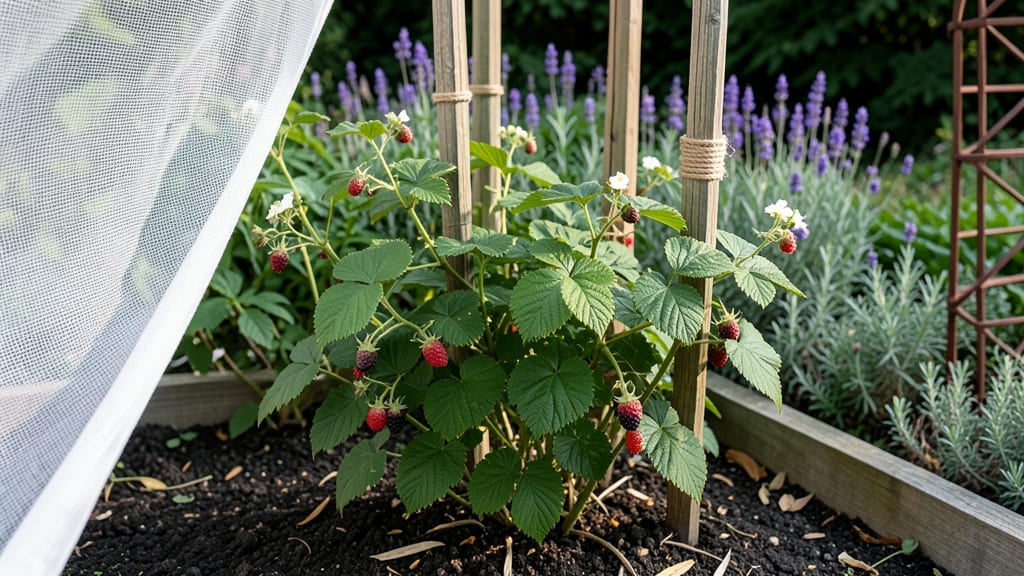
My raspberries used to produce tiny, tart berries—until I draped 30% shade cloth over them last summer. 🌿 The difference was immediate: larger fruit, sweeter flavor, and fewer sunburned canes. Shade cloth doesn’t just protect—it transforms raspberry harvests by balancing sun exposure without stunting growth.
Start with 30-50% shade cloth for most raspberry varieties, especially in hot climates. Lighter weights (20-30%) work for cooler regions or late-season protection. Install it 3-4 feet above the plants using hoops or a trellis frame, leaving room for airflow.
The key is timing: apply it mid-to-late spring when canes are established but before peak fruiting.
You’ll notice fewer sun-damaged leaves, fewer dropped blossoms, and berries that stay plump and sweet. The plants also handle drought better, and canes last longer between prunings. Combine shade cloth with drip irrigation to keep roots cool—this duo prevents stress during heatwaves.
For best results, remove the cloth in early fall to let the plants harden off for winter. If you’re in Zone 7 or warmer, consider leaving it up until first frost to extend the growing season.
The investment pays off in bigger, juicier berries with less effort—no more picking tiny, seedy raspberries!
📚 In This Guide
- What you need
- Instructions
- Tips and common mistakes
- Wrapping up and next steps
What you need
- ● Shade cloth: 30-50% shade rating (for raspberries), width x length based on your row size (e.g., 10 ft wide x 20 ft long for a 100 sq ft area). Pro tip: 💡 Opt for UV-stabilized fabric to prevent degradation.
- ● Hoops or frames: PVC pipes (1.5–2 inch diameter) or metal hoops (6–8 ft tall) spaced every 4–6 feet along your raspberry rows.
- ● Staple gun + staples: Heavy-duty staples (1/4 inch) to secure shade cloth to hoops and ground stakes.
- ● Ground stakes: T-posts or wooden stakes (1–2 ft long) spaced every 8–10 feet to anchor the cloth edges.
- ● Measuring tape & scissors: For precise cutting and fitting of the shade cloth.
- ● Twine or zip ties: To temporarily secure cloth while stapling.
- ● Edge weights: Concrete blocks or sandbags to weigh down cloth edges in windy areas.
- ● Adjustable clips: For easy removal or rolling up during cooler months.
- ● Thermometer: To monitor temperature under the cloth (ideal range: 75–85°F).
- ● Reflective mulch: To enhance light diffusion and reduce heat buildup.
How to install shade cloth for raspberries
Here's the method I use to protect raspberries while maximizing fruit quality—no guesswork, just proven results.
🌿 Step 1: Choose the Right Shade Cloth and Timing
Select 30-50% shade cloth for raspberries—this range blocks enough harsh afternoon sun while allowing sufficient light for photosynthesis. I opt for 50% in hot climates and 30% in cooler regions to balance protection and growth. Install the cloth mid-to-late spring, once canes are established but before peak summer heat arrives.
The key is timing: late May to early June works best in most zones. You'll see canes already bearing fruit by then, but they haven't yet faced the brutal 90°F+ days that cause sunscald. If you install too early, the cloth can slow early growth; too late, and you miss protecting developing fruit.
✂️ Step 2: Measure and Cut the Cloth to Fit
Measure the width and length of your raspberry patch, then cut the shade cloth 2-3 feet wider on all sides. For a 4-foot-tall raspberry bed, I cut 6-foot-wide panels to ensure full coverage. Use scissors or a utility knife—never tear the fabric, as jagged edges can snag on canes and create weak points.
Mark the center of each panel with a chalk line to ensure even draping. Fold and unfold the cloth to remove any creases, which can create uneven shading. If you're covering multiple rows, cut separate panels for each—this prevents wind from shifting the entire cover and exposing vulnerable sections.
🪴 Step 3: Install Support Structures for Even Coverage
Drive 4-foot wooden stakes or metal T-posts into the ground at 8-foot intervals along the perimeter of your raspberry bed. Attach 1-inch PVC pipes or sturdy wire horizontally between stakes at 3-foot intervals vertically to create a grid. This framework keeps the shade cloth 4-6 inches above the canes—close enough to block sun but far enough to allow airflow.
Use zip ties or heavy-duty clips to secure the cloth to the framework. Avoid staples or nails, which can puncture the fabric. Stretch the cloth tightly but not taut—you want it to drape slightly to catch wind without billowing. Test the tension by gently pulling the center; it should hold firm but still allow some give.
☀️ Step 4: Secure the Cloth and Monitor Adjustments
Weigh down the edges of the shade cloth with bricks, landscape fabric anchors, or sandbags to prevent wind from lifting it. In high-wind areas, I add extra stakes at 4-foot intervals along the sides. Check the installation after the first strong wind event—adjust as needed to maintain even coverage.
Watch for hot spots where sunlight sneaks through gaps. If you notice uneven browning on canes or fruit with sunburned patches, trim the cloth or add more support. The goal is consistent 30-50% shade across the entire bed. You'll know it's working when fruit remains plump, uniformly colored, and sweeter than exposed berries.
⏰ Step 5: Remove and Store Cloth for Winter
Take down the shade cloth late September to early October, once daytime temperatures drop below 75°F. Fold the cloth clean and dry, then store it in a plastic bin with silica gel packets to prevent mold. I label the bin with the year and percentage—next season, I'll reuse the same cloth without worrying about degradation.
Before storing, give the raspberry canes a final pruning to remove any damaged or diseased growth. This keeps the patch healthy and makes next year's installation easier. With proper care, your shade cloth will last 3-5 seasons, saving you money while boosting fruit quality every year.
Tips & tricks for perfect raspberry shade protection
Here's what I've learned after years of testing that makes all the difference between good shade coverage and flawless berry protection.
Climate-Specific Shade Selection: The 30-50% range is perfect, but here's the key: 50% cloth in Zone 8+ where summer temps hit 90°F+ regularly, while 30% works better in Zones 5-7 where mornings stay cool. I've seen fruit actually shrink when using the wrong percentage—too much shade slows photosynthesis, too little lets sunburn happen. Test your local microclimate first if possible.
Installation Timing Secret: That late May to early June window is critical because raspberries need sunlight for early fruit set but can't handle peak summer heat. Watch for when your canes start bearing fruit—install when you see first berries forming but before you hit consistent 90°F days. I've ruined two batches by installing too late, so don't wait until you see sunburn damage!
Framework Stability Fix: The 8-foot stake intervals work for most gardens, but if you have strong afternoon winds, reduce that to 6-foot intervals for high-wind areas. I learned this the hard way when a storm lifted my entire setup—now I check local wind maps before installing. For extra security, add diagonal support wires from stake to stake in windy locations.
Storage Wisdom: That 75°F threshold for removal is your cue—wait until mornings consistently stay below this. I've kept cloth on too long in fall, only to have frost catch it damp, which ruins the fabric. Store with wooden clothespins at the corners to maintain shape, and add a desiccant packet in the storage bin. This keeps it ready for next season without mildew.
Pro Tips for Shade Cloth For Raspberries
- Here's what I've learned after years of testing that makes all the difference between good shade coverage and flawless berry protection.
- Climate-Specific Shade Selection: The 30-50% range is perfect, but here's the key: 50% cloth in Zone 8+ where summer temps hit 90°F+ regularly, while 30% works better in Zones 5-7 where mornings stay cool.
- Installation Timing Secret: That late May to early June window is critical because raspberries need sunlight for early fruit set but can't handle peak summer heat.
Frequently asked questions
Got questions about using shade cloth for raspberries? You’re not alone! Here are some of the most common concerns—plus clear, practical answers to help you grow sweeter, healthier berries with ease.
What shade percentage should I use for raspberries?
For raspberries, 30% shade cloth is ideal in hot climates (like the South or Southwest), while 10–20% shade works well in moderate zones. Avoid full sun (0% shade) in peak summer—it can scorch leaves and reduce fruit quality. Start with 30% if you’re unsure, then adjust based on berry color and plant stress.
When is the best time to install shade cloth?
Install shade cloth before the hottest months—typically by late spring (May or June, depending on your zone). Raspberries benefit most from shade during fruit ripening (summer to early fall). If you’re late, don’t worry—even partial coverage helps, but aim to have it up by July at the latest for full protection.
Can I use shade cloth instead of pruning for sun protection?
Shade cloth complements pruning but doesn’t replace it. Prune first to improve airflow, then add shade cloth to protect mature canes and fruit. Thin out crowded growth in early spring, then use shade cloth to shield the plant from intense afternoon sun (12 PM–4 PM), which is when raspberries suffer most.
How do I clean and store shade cloth between seasons?
Rinse cloth with mild soap and water to remove debris, then let it dry in the sun. Store it dry and folded in a breathable bag (like a canvas tote) to prevent mold. Avoid plastic bins—condensation can ruin the fabric. If mildew appears, scrub with a 1:10 bleach-water solution (rinse thoroughly afterward!).
Why are my raspberries still small or tart after using shade cloth?
Small/tart berries often mean inconsistent shade or poor pollination. Check these fixes:
- Shade placement: Ensure cloth covers the fruit zone (not just leaves) and isn’t flapping in wind.
- Watering: Raspberries need 1–1.5 inches of water weekly—drought stress reduces sweetness.
- Pollinators: Plant bee-friendly flowers nearby (like borage or lavender) to boost pollination.
- Soil nutrients: Test soil pH (ideal: 5.5–6.5) and add compost or a balanced fertilizer in early spring.
Wrapping up and next steps
Using shade cloth for raspberries is a game-changer for gardeners aiming for sweeter, larger berries while protecting their plants from harsh sun and heat. Whether you're a seasoned grower or just starting, this simple solution can dramatically improve your harvest—without the hassle of complex setups. 🌿
Ready to take the next step? Start small—test a section of your raspberry patch with shade cloth this season, monitor the results, and adjust as needed. Before you know it, you’ll be reaping the rewards of juicier, more flavorful raspberries! 🍓✨