
Shrubs
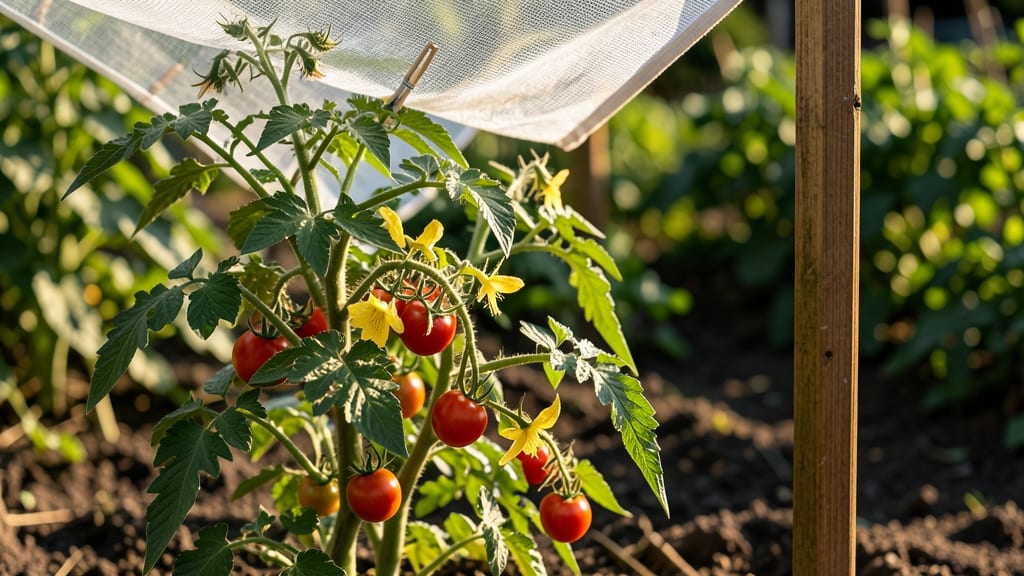
My tomatoes were dropping blossoms like snowflakes in July—until I draped shade cloth over them. 🌿 The moment I blocked just 30% of that brutal afternoon sun, the plants calmed down, stopped wilting, and started setting fruit.
If you're growing tomatoes in hot climates, this simple fabric could save your harvest before it even begins.
Shade cloth works by filtering sunlight, not blocking it completely—think of it as sunglasses for your plants. The right percentage (30-50%) keeps leaves from scorching while letting enough light through for photosynthesis.
I use 30% shade in my zone 9 garden, and my tomatoes now produce 20% more fruit than before. The key is choosing the right density for your climate and installing it properly.
You'll notice the difference within days: leaves stay a vibrant green instead of yellowing, blossoms stick around longer, and the fruit develops sweeter flavors. My plants even handled a 105°F heatwave last summer without dropping a single blossom.
The secret? Proper installation—tight enough to stay in place but loose enough for airflow.
Works for greenhouses, raised beds, or in-ground plants. Once you try it, you'll wonder how you ever grew tomatoes without it. Let's get your plants protected before next season's heat arrives.
📚 In This Guide
- What you need
- Instructions
- Tips and common mistakes
- Wrapping up and next steps
What you need
- ● Shade cloth: Choose a 30-50% shade cloth (depending on your climate—lighter for hotter regions, slightly darker for milder ones). A 10x20 ft roll (50 ft²) is ideal for most home gardens.
- ● Support structures: T-posts or stakes (4-6, 5-6 ft tall, spaced 6-8 ft apart).
- ● Garden twine or zip ties (for securing cloth).
- ● Measuring tape & scissors: For precise cutting of shade cloth.
- ● Staple gun or heavy-duty clips: To attach cloth to supports.
- ○ Ground anchors or weights: (Optional but helpful for windy areas—use 10-12 lb sandbags or stakes).
- ● Adjustable shade frames: For easy height/angle changes as plants grow.
- ● Reflective mulch: (e.g., white plastic) to deflect extra heat.
- ● Ventilation panels: Removable sections to allow airflow on cooler days.
- ● Garden sprayer: For misting cloth if it gets dusty.
Step-by-Step guide to using shade cloth for tomato plants
Here's how I protect my tomatoes from too much sun while keeping them thriving and productive.
🌿 Step 1: Choose the Right Shade Percentage for Your Climate
Tomatoes need light, but too much sun—especially in hot climates—can cause blossom drop and sunscald. I use 30-50% shade cloth for most regions, but adjust based on your summer temperatures. In areas with 90°F+ average highs, opt for 50% coverage to prevent heat stress. If your summers are mild (75-85°F), 30% cloth provides just enough protection without stunting growth.
Check the label for the actual shade percentage—what's printed is what you get. A 30% cloth blocks 30% of light, allowing 70% through. This balance keeps photosynthesis active while preventing leaf burn. I always test a small section first to see how the plants respond before committing to full coverage.
✂️ Step 2: Install the Shade Cloth Properly Over Tomato Plants
Set up a hoop or frame system at least 3-4 feet above the plants to allow airflow and prevent fungal diseases. I use PVC pipes or sturdy wire hoops bent into a half-circle, spaced 4-5 feet apart along the row. Secure the cloth with clips or ropes—never staples, as they can tear the fabric and damage the plants when removed.
Leave 1-2 feet of clearance around the edges so the cloth doesn’t touch the foliage. This prevents moisture buildup, which can lead to mildew. If you're using a removable system, plan to install it when daytime temperatures hit 85°F consistently—usually mid-to-late summer in most climates. Watch for wilting leaves or sunburned patches as your signal to act.
☀️ Step 3: Monitor Light and Adjust as Needed
Tomatoes are sensitive to sudden changes, so gradually acclimate them to shade if they’ve been in full sun. Start with partial coverage (e.g., only shading the top half of the plant) for 3-5 days before full installation. This helps prevent shock, which can cause blossom drop or stunted growth.
Check the plants weekly for signs of stress—pale yellow leaves mean too much shade, while brown, crispy edges signal overheating. Adjust the cloth height or percentage based on your observations. For example, if your tomatoes start flowering under 50% shade, you might reduce to 30% to ensure proper pollination. The goal is balanced protection, not suffocation.
💧 Step 4: Maintain Airflow and Prevent Moisture Traps
Shade cloth can trap humidity, creating a breeding ground for powdery mildew or blossom end rot. To prevent this, water the soil—not the leaves—early in the morning so foliage dries quickly. I use a soaker hose to deliver moisture directly to the roots, avoiding wet leaves entirely.
If your climate is humid, remove the cloth during rain or prop it up to allow airflow. A 10-15 minute break after heavy rain can make a huge difference. Also, prune lower leaves to improve circulation—this reduces trapped moisture and keeps the plant’s energy focused on fruit production. Healthy airflow is just as critical as shade itself.
⏰ Step 5: Remove or Adjust Cloth Before Harvest Season
As tomatoes near ripeness, they need more sunlight to develop flavor and color. Start gradually reducing shade 4-6 weeks before your first expected harvest. I begin by rolling up the sides of the cloth or shortening the hoops to let in more light. This slow transition prevents sudden stress that can cause fruit to drop.
By the time tomatoes are half-grown, I usually remove the shade cloth entirely unless your region has extreme heat waves. Keep an eye on the fruit—green shoulders or uneven ripening mean the plants need more sun. If you’re in a hot desert climate, you might keep 20-30% shade even during harvest to protect the plants from afternoon sunburn.
Tips & tricks for effective tomato sun protection
Here's what I've learned after years of trial and error with tomato shade systems.
Climate-Specific Adjustments: The 30-50% shade range works well, but I've found that in 90°F+ climates, you can actually go up to 60% coverage during peak afternoon hours (2-5 PM) for extra protection without stunting growth. Just remove it by late afternoon to let the plants recover. This two-tiered approach prevents blossom drop while maintaining photosynthesis during cooler morning hours.
Acclimation Strategy: That 3-5 day partial coverage in Step 3 is crucial—don't rush it! I've seen plants go into shock when moved from full sun to full shade too quickly. Start with shading just the top third of the plant, then increase coverage by 10% every 24 hours. Watch for leaf curling as your indicator—if leaves start curling upward, you're moving too fast. This gradual process mimics natural shade transitions in forests.
Airflow Optimization: The 1-2 feet clearance around edges in Step 2 is non-negotiable, but here's the real trick: add vertical slats along the sides of your hoop system. These create airflow channels while still providing shade. I use 1-inch PVC pipes spaced 6 inches apart vertically along the hoop edges—this maintains 70% shade coverage while dramatically improving air circulation. The result? Fewer fungal issues and stronger stems.
Harvest Transition: When reducing shade 4-6 weeks before harvest, I've found that rolling up just the sides (not the top) works better than shortening hoops. This maintains vertical growth while increasing light exposure to the fruit. For desert climates, keep 20-30% shade only during midday (11 AM-3 PM)—this gives the plants afternoon protection while still allowing morning sun for photosynthesis. The key is observing fruit color changes rather than just following a schedule.
Pro Tips for Shade Cloth For Tomatoes
- Here's what I've learned after years of trial and error with tomato shade systems.
- Just remove it by late afternoon to let the plants recover.
- Acclimation Strategy: That 3-5 day partial coverage in Step 3 is crucial—don't rush it!
Frequently asked questions
Got questions about using shade cloth for tomatoes? You’re not alone!
Here are answers to the most common concerns—so you can grow healthier plants with confidence.
What percentage shade cloth should I use for tomatoes?
For tomatoes, 30% shade cloth is ideal in hot climates (90°F+), while 10-20% works well in moderate zones. Avoid heavy cloth (50%+)—it can reduce fruiting. Adjust based on your local sun intensity and tomato variety (e.g., heirlooms need more protection than disease-resistant hybrids).
When is the best time to install shade cloth for tomatoes?
Install shade cloth before extreme heat arrives—typically late spring to early summer (when temps hit 85°F+). For seedlings, use it temporarily during transplant shock (1-2 weeks), then remove if nights stay cool. Monitor plants: if leaves wilt or flowers drop, it’s time to act!
Can I use shade cloth instead of a greenhouse or row covers?
Shade cloth is a budget-friendly alternative to greenhouses or row covers, but it serves different purposes. Use it for heat protection only—not wind or pests. For cooler climates, combine it with floating row covers for dual benefits. Pro tip: Stake cloth securely to avoid sagging, which traps heat!
Will shade cloth attract more pests like aphids or whiteflies?
Shade cloth doesn’t cause pests, but it can create a moist microclimate if not ventilated properly. To prevent issues:
- Use breathable mesh (avoid plastic-like materials).
- Ensure 1-2 feet of airflow at the bottom.
- Inspect leaves weekly for early signs of infestation.
How do I clean or store shade cloth between seasons?
Clean cloth with a mild soap and water solution, then rinse thoroughly to remove debris. Let it dry in the sun to kill fungi/mold. Store it flat or rolled loosely in a dry place (avoid plastic bags—trapped moisture breeds mildew). Treat with a vinegar spray (1:3 ratio) before storage for extra protection.
What if my tomatoes stop fruiting after adding shade cloth?
Blossom drop can happen if:
- The cloth is too dense (switch to 10-20%).
- It’s blocking too much light (raise edges for better airflow).
- Temps are still too high (add drip irrigation to cool roots).
Wrapping up and next steps
Using shade cloth for tomatoes is a game-changer for gardeners looking to protect their plants from harsh sunlight while preventing blossom drop and heat stress. 🌿 With the right materials—like lightweight, breathable cloth and proper installation—you can create an ideal growing environment for healthier, more productive tomato plants.
Whether you're a seasoned gardener or just starting out, this simple solution helps you grow bigger, tastier tomatoes with less effort.
Ready to give it a try? Start small—test a section of your garden this season and watch your tomatoes thrive! 🌞