
Flowers
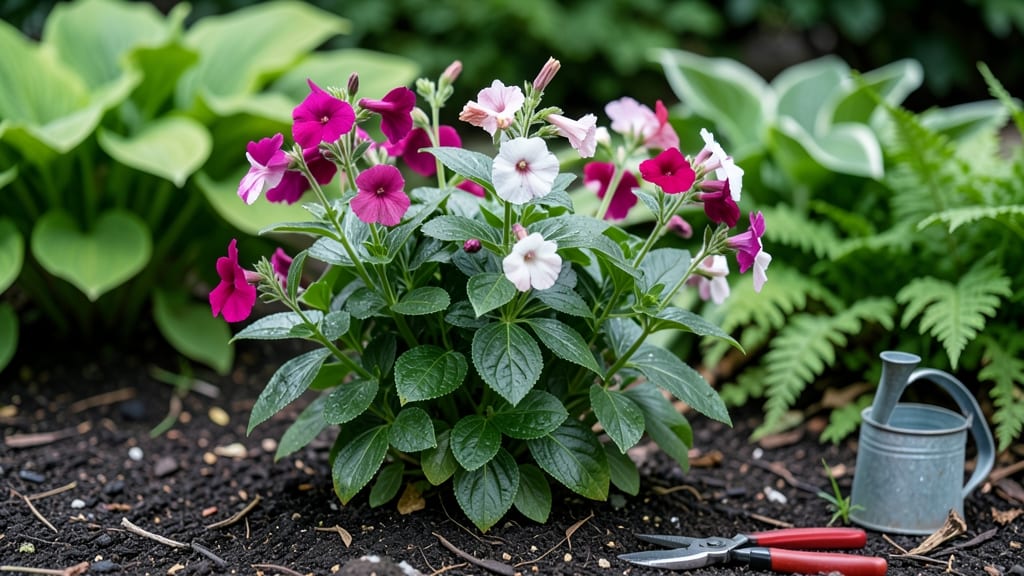
Florida’s lush shade flowers can transform even the sunniest spot into a vibrant retreat—no direct rays needed. 🌿 The key lies in selecting native or well-adapted species that thrive in humidity and rich, moist soil while demanding minimal fuss.
My front yard’s shady corner now rivals sunny beds, thanks to these hardy picks that bloom reliably year-round.
Start with impatiens for vibrant summer splashes, caladiums for tropical foliage, and begonias for delicate blooms that love filtered light. Add fuchsias and coleus for texture, and don’t overlook native plants like firebush or coffee senna—they’re drought-tolerant once established and support local pollinators.
Most need well-draining soil and weekly watering, but once settled, they’ll reward you with months of color with almost no effort.
Imagine lush foliage in deep greens and purples, punctuated by pink, red, and white blooms that last from spring through fall. The secret? Group plants by water needs and height—tall canas or heucheras at the back, trailing sweet potato vine at the edges, and compact begonias in the front.
Even in Florida’s heat, these shade stars stay cool and happy, proving that sun isn’t the only ingredient for a showstopping garden.
Works for patios, woodland edges, or under trees—just avoid soggy soil and watch your shade garden thrive. Here’s how to pick the perfect palette for your space!
📚 In This Guide
- What you need
- Instructions
- Tips and common mistakes
- Wrapping up and next steps
What you need
- ● Shade-tolerant flower plants: Choose from Florida-friendly picks like Impatiens, Begonias, Fuchsias, Caladiums, or Coleus. Aim for 3–5 plants per 10 sq. ft. for full coverage.
- ● High-quality potting mix: Use a well-draining, peat-based mix (e.g., Miracle-Gro Potting Mix) or amend garden soil with 2–3 inches of compost for in-ground plantings.
- ● Containers (if needed): For pots: 10–12" diameter containers with drainage holes (1–2 plants per pot).
- ● For hanging baskets: 12–18" diameter with a coco coir liner to retain moisture.
- ● Garden trowel or hand shovel (for digging holes or transplanting).
- ● Pruning shears (to trim dead foliage or shape plants).
- ● Gloves (gardening or work gloves for protection).
- ● Watering can or hose with a gentle spray nozzle (shade plants need consistent moisture but hate soggy roots!).
- ○ Mulch (optional but recommended): 2–3 inches of pine bark or shredded leaves to retain moisture and suppress weeds.
- ● Location assessment: Ensure your area gets (partial to full shade).
- ● Drainage check: If planting in-ground, confirm soil drains well (Florida’s clay soil may need amending with sand or organic matter).
- ● Water source nearby (shade plants thrive with 1–2 inches of water weekly, more in extreme heat).
Step-by-Step guide to planting shade-loving flowers in Florida
Here’s how to create a vibrant, sun-free garden that thrives in Florida’s humid shade.
🌱 Step 1: Choose the Right Shade-Tolerant Varieties
Florida’s shade gardens shine with plants like impatiens, ferns, and caladiums, which handle low to medium light without wilting. I always pick native Florida species—like firebush or coontie palm—because they’re bred to handle our heat and humidity while requiring minimal sunlight. Check the light requirements on seed packets or plant tags; some varieties thrive in dappled shade (filtered light), while others need deep shade (less than 4 hours of direct sun).
For a year-round display, mix spring bloomers (like bleeding heart) with summer favorites (impatiens) and fall-winter stars (heuchera or hellebores). I like to sketch a simple layout first—grouping plants by their light needs ensures no plant feels left out. Avoid sun-lovers like marigolds or zinnias; they’ll stretch and struggle in shade.
🪴 Step 2: Amend Soil for Florida’s Heavy Clay
Florida’s native soil is often dense, clay-heavy, and poorly draining—perfect for root rot in shade plants. Before planting, mix 3 inches of organic compost (like aged oak leaves or worm castings) into the top 6 inches of soil. This improves aeration and drainage while adding nutrients. I like to work in a 50/50 blend of native soil and compost—enough to loosen the clay without overwhelming the plants.
For container gardens, use a well-draining potting mix (never garden soil) blended with 20% perlite or orchid bark. This mimics Florida’s natural sandy loam while preventing soggy roots. Test the moisture after watering—soil should feel damp but not saturated. If water pools on the surface, your mix needs more perlite.
☀️ Step 3: Plant for Layered Shade and Humidity
Start with taller plants (like ferns or hostas) at the back, then add medium-height bloomers (impatiens, begonias) in the middle, and spiller varieties (like sweet potato vine) at the front. This creates visual depth and ensures no plant gets overshadowed. Space shade flowers 12–18 inches apart—closer for compact varieties like caladiums, wider for ferns or hostas.
Mulch with 3 inches of shredded bark or pine straw to retain moisture and suppress weeds. In Florida’s heat, mulch also protects roots from temperature swings—critical for shade plants that can’t rely on sun for warmth. Water deeply after planting, then once a week (or daily in extreme heat) until established. You’ll know they’re happy when new leaves appear within 2–3 weeks.
💧 Step 4: Water and Fertilize for Florida’s Humidity
Shade plants in Florida hate soggy roots but still need consistent moisture. Water deeply in the morning (before 10 AM) to let foliage dry by evening—this prevents fungal diseases like powdery mildew. Use a soaker hose or drip irrigation to deliver water at the base, avoiding wetting leaves. I check soil moisture by sticking my finger 1–2 inches deep; if it’s dry, it’s time to water.
Feed with a balanced, slow-release fertilizer (like 10-10-10) at half-strength in spring and early summer. Too much nitrogen causes leggy growth, while shade plants often thrive on less. I also top-dress with compost tea every 4–6 weeks for a gentle nutrient boost. Watch for yellowing leaves—a sign of over- or under-fertilizing.
✂️ Step 5: Prune and Maintain for Year-Round Bloom
Deadhead spent blooms weekly to encourage continuous flowering (especially for impatiens and begonias). Cut back leggy stems in spring to promote bushier growth. For ferns and hostas, trim brown or damaged fronds in early spring—this keeps the plant looking tidy and redirects energy to new growth.
In late fall, cut back annuals (like impatiens) to the ground and compost them. For perennials (like heuchera or hellebores), reduce foliage by half to tidy up, but leave some leaves for winter interest. Divide crowded perennials every 2–3 years in early spring—this rejuvenates plants and prevents disease. You’ll know it’s time when leaves grow smaller and more spaced out than before.
Tips & tricks for thriving shade gardens in Florida
Creating a lush shade garden in Florida’s unique climate takes a few strategic moves—here’s how to make your plants flourish where others fail.
Light Condition Intelligence: Pay close attention to your shade sources! East-facing windows or dappled shade from tall trees create filtered light, perfect for plants like impatiens and ferns. For true deep shade (less than 4 hours of direct sun), opt for hellebores or caladiums. I’ve learned the hard way that even slight variations in shade intensity can mean the difference between vibrant blooms and struggling foliage. Use a light meter app for 24 hours to map your garden’s exact light patterns before selecting plants.
Soil Science for Florida’s Clay: The 50/50 soil blend mentioned in Step 2 works wonders, but here’s the secret: add a handful of gypsum to the mix if your clay soil feels especially dense. This helps break down compacted particles over time. For container gardens, I’ve found that adding 10% coco coir to your potting mix improves moisture retention without suffocating roots. After amending, water thoroughly and let it settle for 24 hours before planting—this prevents air pockets that can stress new roots.
Layering Like a Pro: When arranging your shade plants in Step 3, think vertically as well as horizontally. Install tall trellises or obelisks in back corners to train climbing varieties like sweet potato vine upward, creating living room dividers. This maximizes your garden’s visual impact while ensuring all plants get their required light. I’ve seen gardens double their perceived space just by adding vertical elements—it’s a game-changer for small shade areas.
Watering Wisdom: The morning watering routine in Step 4 is crucial, but here’s what nobody tells you: Florida’s humidity means your shade plants actually need less frequent watering than sun-lovers. Check soil moisture by lifting a plant—if the soil clumps together when squeezed, it’s time to water. For container plants, I’ve found that self-watering pots with reservoirs eliminate the guesswork entirely while preventing root rot from overwatering.
Pro Tips for Shade Flowers Florida
- Creating a lush shade garden in Florida’s unique climate takes a few strategic moves—here’s how to make your plants flourish where others fail.
- Light Condition Intelligence: Pay close attention to your shade sources!
- Soil Science for Florida’s Clay: The 50/50 soil blend mentioned in Step 2 works wonders, but here’s the secret: add a handful of gypsum to the mix if your clay soil feels especially dense.
Frequently asked questions
What are the best shade flowers for Florida’s humid climate?
Florida’s humidity calls for tough, moisture-loving blooms. Top picks include impatiens (for bright bursts), caladiums (for dramatic foliage), and begonias (for year-round color). Ferns and hostas also thrive in shady spots with minimal fuss.
When is the ideal time to plant shade flowers in Florida?
Plant shade flowers in early spring (March–April) or fall (September–October) to avoid extreme heat or cold. Avoid summer planting—Florida’s intense humidity and heat can stress tender roots. Pro tip: Water deeply after planting to help roots establish faster!
How do I keep shade flowers blooming all year in Florida?
Consistent moisture (but not soggy soil) and balanced fertilizer (like 10-10-10) every 6–8 weeks keeps blooms vibrant. Deadhead spent flowers (trim them back) to encourage new growth. Mulch around plants to retain moisture and regulate soil temp.
What if my shade flowers aren’t thriving? Troubleshooting tips!
Yellow leaves? Overwatering or poor drainage—amend soil with compost. Few blooms? Low light or lack of fertilizer—move to partial shade or feed with bloom-boosting fertilizer. Pests like slugs? Use organic slug bait or beer traps!
Are there Florida-friendly, low-maintenance shade flowers?
Try firebush (drought-tolerant + pollinator magnet), coontie palms (native and nearly indestructible), or sago palms (sun-tolerant but great for partial shade). Pro tip: Native plants need less water and care once established!
Wrapping up and next steps
Transforming your Florida shade garden into a vibrant retreat is easier than you think! From the bold impatiens to the delicate caladiums, these shade-loving flowers prove that sun isn’t the only ingredient for a stunning landscape.
With the right plants, soil prep, and care, you’ll enjoy year-round color—even in the trickiest spots. 🌿
Ready to dive in? Start small—pick one or two of these beauties to test your new shade oasis, then expand as you gain confidence. Before you know it, your garden will be the envy of the neighborhood! Grab your gloves and get planting! ✨