
Light Requirements
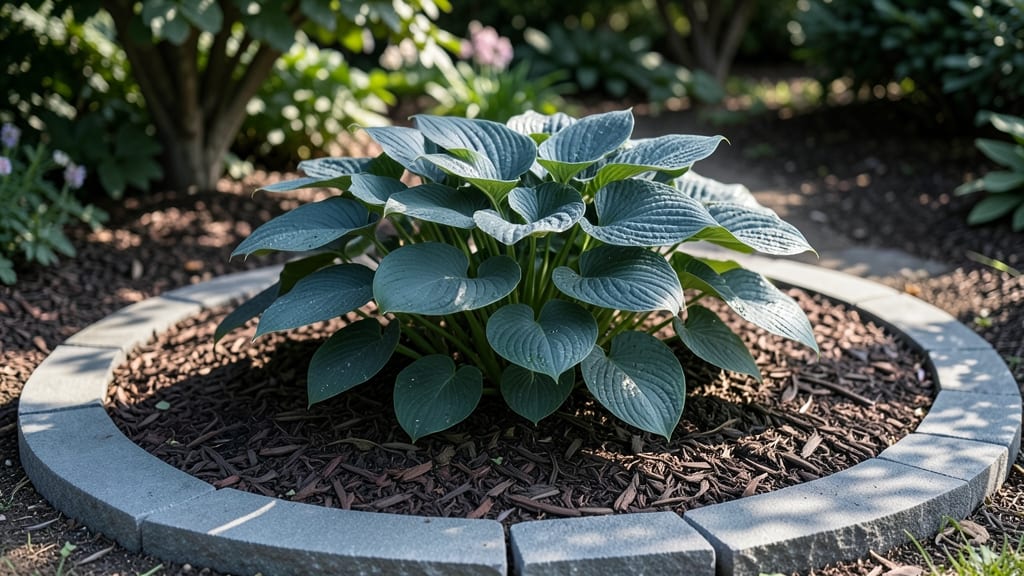
Creating shade where sunlight struggles turns your garden into a lush, year-round retreat. 🌿 I used to think shade meant dull, boring spaces—but the right plants, structures, and design tricks transform it into a vibrant, low-maintenance oasis that thrives even under trees or north-facing walls.
The secret starts with shade-tolerant plants like hostas, ferns, and impatiens that flourish in filtered light, plus strategic structures like pergolas or lattice that create dappled shade patterns.
You’ll see foliage stay rich and green even when other gardens wilt, and you’ll actually enjoy spending time in your garden during hot afternoons.
With the right layout, you can layer shade-loving perennials with seasonal annuals for continuous color, while adding mulch to keep roots cool and moisture locked in. The result? A garden that feels alive, not neglected—one that keeps blooming, growing, and impressing neighbors all season long.
Works for any yard, from small urban patios to sprawling backyards—just match plants to your shade type (full, partial, or dappled) and let the greenery do the rest. Here’s how to make it happen without the guesswork.
📚 In This Guide
- What you need
- Instructions
- Tips and common mistakes
- Wrapping up and next steps
What you need
- ● Shade cloth or fabric: Choose a UV-resistant option (e.g., 30-50% shade coverage) in sizes like 6’x10’ or 8’x12’ for flexibility.
- ● Trellises or lattice panels: Opt for metal, wood, or PVC (e.g., 4’x8’ panels) for climbing plants or hanging shade.
- ● Bamboo or wooden stakes: 3-4 stakes per shade structure (6-8 ft tall) for stability.
- ● Potting soil or mulch: 2-3 bags (20 lbs each) for planting shade-loving plants like ferns or hostas.
- ● Measuring tape (25 ft)
- ● Scissors or utility knife (for cutting fabric/cloth)
- ● Staple gun or heavy-duty clips (to secure shade cloth)
- ● Post-hole digger or auger (for permanent stakes)
- ● Level (to ensure even shading)
- ● Solar-powered lights (for ambiance)
- ● Decorative planters (for a polished look)
- ● Retractable awnings (for adjustable shade)
- ● Waterproof sealant (to extend material lifespan)
How to design a thriving shade garden
Shade gardens succeed when you work with—not against—the light conditions. The right plants and smart layout transform dim corners into lush, low-maintenance spaces.
🌿 Step 1: Analyze Your Shade Conditions First
Start by mapping your garden's light levels throughout the day. Use a sunlight meter or observe shadows at 10 AM, noon, and 4 PM—this reveals how much light actually reaches each spot. I mark zones with flags: full shade (under 3 hours of light), partial shade (3-6 hours), and dappled shade (filtered light through trees). This ensures you select plants that match each microclimate.
Don’t assume all shade is equal. A north-facing wall casts deep, cool shade, while a tree’s dappled light creates ever-changing patterns. I’ve seen ferns thrive where hostas struggle—it’s all about matching plant needs to your garden’s natural light rhythms.
🪴 Step 2: Choose Containers and Soil for Shade Plants
Shade plants often prefer moist, well-draining soil that stays consistently damp but never soggy. Amend your existing soil with 3 inches of compost and a handful of perlite to improve aeration. For containers, select glazed pots (to retain moisture) or fabric grow bags (for better root airflow). I use 12-inch pots for small perennials and 18-inch containers for shrubs like hydrangeas.
Add a 2-inch layer of mulch (cedar or pine bark works well) to conserve moisture and suppress weeds. Avoid heavy mulch like wood chips in containers—it can compact and suffocate roots. Test soil moisture by squeezing a handful; it should hold together but not drip water.
☀️ Step 3: Select Plants for Each Shade Level
For full shade, prioritize plants like heuchera, astilbe, and Japanese painted fern—they thrive with minimal light. In partial shade, mix in hostas, foxglove, and lungwort for texture and color. Dappled shade? Try bleeding heart, toad lilies, and sweet woodruff for delicate foliage. I group plants by height, placing taller varieties (like ferns) at the back and lower growers (like ajuga) in front.
Label each plant with its watering needs—some shade-lovers (like hellebores) tolerate dry soil, while others (like astilbe) prefer consistent moisture. Overcrowding is a common mistake; space plants 12-18 inches apart to allow airflow and prevent fungal issues.
💧 Step 4: Water and Maintain for Long-Term Success
Water shade gardens deeply 2-3 times per week (adjust based on rainfall). The key is even moisture—shade plants rarely need frequent light watering. Use a soaker hose or drip irrigation to deliver water at the soil level, avoiding wetting leaves (which can promote mildew). I water in the early morning to reduce evaporation and fungal risks.
Fertilize lightly in early spring with a balanced, slow-release fertilizer (10-10-10). Shade plants grow slower than sun-lovers, so over-fertilizing leads to leggy, weak stems. Prune dead or yellowing leaves as they appear, and divide crowded perennials every 3-4 years to keep them vigorous.
⏰ Step 5: Seasonal Adjustments for Year-Round Beauty
In spring, add spring bulbs (like snowdrops or glory-of-the-snow) for early color. Summer is the easiest season—shade plants handle heat better than sun-lovers. In fall, mulch heavily to protect roots from temperature swings. Winter is your chance to add evergreens (like boxwood or pieris) for structure and winter interest plants (like hellebores or winter aconite).
Rotate containers every 6-8 weeks to ensure even light exposure, especially if your garden has shifting shadows. This prevents plants from leaning or growing unevenly. A shade garden should feel intentional, not neglected—small tweaks keep it thriving year after year.
Tips & tricks for perfect shade garden design
A few strategic moves can turn your dimmest corners into thriving, low-maintenance oases. Here's how to elevate your shade garden from basic to breathtaking.
Light Mapping Precision: I can't stress enough how critical those 10 AM, noon, and 4 PM observations are. Use a white board or stakes to mark your zones permanently—this prevents guesswork when selecting plants. I've seen gardeners waste entire seasons planting hostas in full shade only to watch them struggle. That 3-hour full shade threshold is non-negotiable for true shade-tolerant varieties. For tricky areas, take photos at each time point to compare light patterns throughout the year.
Soil Science Secret: The 3 inches of compost and perlite mix isn't just about drainage—it's about creating the perfect moisture sponge. I've found that adding a handful of worm castings (optional but game-changing) boosts microbial activity that shade plants crave. For containers, consider adding a 1-inch layer of coarse sand at the bottom before your soil mix to prevent compaction. And remember: shade soil stays cooler, so it holds moisture longer than sun-exposed beds.
Plant Placement Strategy: When arranging your 12-18 inch spacing, think vertically as much as horizontally. Use tall ferns or ornamental grasses as natural dividers between plant groups to create visual layers. I place my bleeding heart and toad lilies in dappled areas where they'll get just enough light to thrive without scorching. For containers, group plants with similar water needs together—this makes your 2-3 times per week watering routine much more efficient.
Seasonal Layering: That 6-8 week container rotation isn't just about light exposure—it's your chance to check for pests and diseases before they spread. In spring, I always add 1-2 inches of leaf mold (composted leaves) to the soil surface for extra nutrients. For winter interest, consider adding evergreen shrubs like pieris or inkberry holly—they provide structure when other plants go dormant. The key is to think of each season as a fresh canvas for your shade garden's evolution.
Pro Tips for Shade For The Garden
- A few strategic moves can turn your dimmest corners into thriving, low-maintenance oases.
- Light Mapping Precision: I can't stress enough how critical those 10 AM, noon, and 4 PM observations are.
- Soil Science Secret: The 3 inches of compost and perlite mix isn't just about drainage—it's about creating the perfect moisture sponge.
Frequently asked questions
Got questions about creating the perfect shade in your garden? Here are some of the most common ones—and their answers—to help you get started with confidence!
What are the best shade-tolerant plants for a low-light garden?
Opt for hostas, heucheras, ferns, and astilbes for foliage, while bleeding hearts, foxgloves, and impatiens add color. For year-round interest, consider evergreen shrubs like boxwoods or rhodies. Check your USDA zone for plant-specific guidance!
How long does it take for shade plants to establish and thrive?
Most shade-loving plants take 1–2 years to fully establish, depending on soil quality and watering. Slow growers like hostas may take longer, while fast-spreading ground covers (e.g., ajuga) fill gaps quicker. Patience pays off—healthy roots mean vibrant growth!
Can I use artificial shade (like shade cloth) instead of natural structures?
Shade cloth (30–50% block) is a budget-friendly option for containers or small areas. For larger spaces, pergolas with lattice or retractable awnings work well. Just ensure proper airflow to prevent fungal issues in humid climates.
What’s the best way to water shade plants without over-saturating the soil?
Water deeply but less frequently—aim for 1–1.5 inches per week, including rainfall. Use drip irrigation or soaker hoses to target roots directly. Mulch (2–3 inches) helps retain moisture and regulate soil temperature—just avoid piling it against stems.
Why are my shade plants wilting or turning yellow? Troubleshooting tips?
Yellow leaves often signal overwatering or poor drainage. Check soil moisture (stick your finger in—if soggy, reduce watering). Pests (like slugs) or fungus (from excess moisture) can also cause issues. Prune damaged foliage and apply neem oil if needed.
Can I mix shade plants with sun-loving varieties in the same garden?
Yes, but strategically! Plant sun-lovers (e.g., daylilies) at the edges of shaded areas where they’ll get dappled light. Use layered planting—tall shade trees overhead, medium shrubs mid-level, and ground covers underneath—to create a balanced, low-maintenance ecosystem.
Wrapping up and next steps
Transforming your garden into a lush, thriving space—even in shady spots—is totally within reach! 🌿 Whether you’re choosing the right plants, creating shade structures, or optimizing soil health, the key is to embrace the unique opportunities that low-light areas offer.
Start small, experiment with a few shade-loving plants or a simple DIY shade solution, and watch your garden flourish.
Ready to take the next step? Sketch a simple plan of your garden’s shady zones, jot down your favorite shade-friendly plants, and grab those tools—your dream garden is just a few steps away! 🌱