
Companion Plants
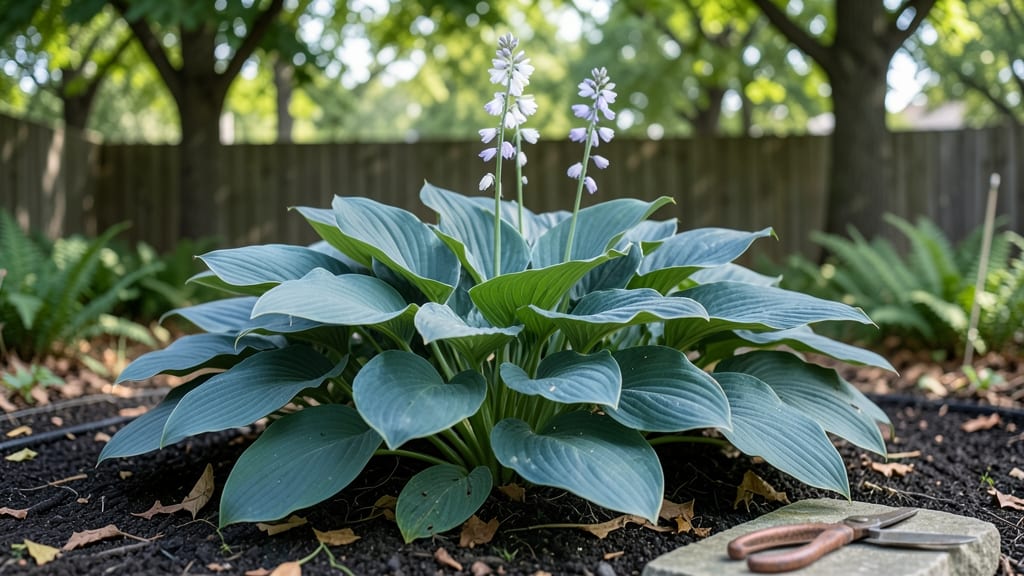
Shade-loving low-growing plants turn forgotten corners into lush, vibrant spaces that never go dull. 🌿 I’ve filled my own shady spots with these quiet performers—plants that thrive where sunlight barely reaches, spreading effortlessly while adding texture and color all season long.
The key is matching their needs: moisture-retentive soil, dappled light, and the right neighbors to keep them happy.
Start with heuchera (coral bells) for jewel-toned foliage that glows even in dim light, or ajuga (bugleweed) for deep purple spikes and creeping green mats. Sedum varieties like ‘Dragon’s Blood’ add a pop of red, while lamium (dead nettle) brings delicate silver and purple patterns.
These plants spread naturally, choking out weeds and creating a carpet of color that lasts from spring through fall.
Design-wise, use them as borders under trees, along north-facing walls, or as edging for pathways where sunlight is scarce. They pair beautifully with ferns, hostas, and astilbes, creating layered shade gardens that feel intentional. Maintenance is minimal—just occasional trimming to keep them tidy and a light mulch to retain moisture.
No more boring dark corners: these plants deliver year-round interest, from winter’s evergreen foliage to spring’s delicate blooms. Once established, they’re nearly indestructible—perfect for gardeners who want beauty without the fuss. Let’s bring your shady spots to life!
📚 In This Guide
- What you need
- Instructions
- Tips and common mistakes
- Wrapping up and next steps
What you need
- ● Shade-tolerant low-growing plants: 3–5 varieties (e.g., Heuchera, Lamium, Ajuga, Sedum, or Ferns). Choose plants based on your hardiness zone and soil type.
- ● Well-draining potting mix: 1–2 bags (5–10 lbs each). Opt for a blend labeled for shade gardens or mix compost (20%) with peat moss or coco coir (60%) and perlite (20%).
- ● Containers or garden beds: Containers: 5–10 pots (6–12 inches deep) with drainage holes. Materials: terra cotta, plastic, or fabric grow bags.
- ● Garden beds: 1–2 partially shaded spots (4’x4’ minimum) with 6+ hours of dappled light.
- ● Mulch: 1–2 bags (shredded bark, pine straw, or cocoa hulls) to retain moisture and suppress weeds.
- ● Garden trowel or hand shovel (for planting and soil prep).
- ● Pruners or scissors (for trimming and shaping plants).
- ● Gloves (gardening or work gloves for protection).
- ● Watering can or hose with a gentle spray nozzle (for even moisture).
- ○ pH testing kit (optional) – Ensures soil is slightly acidic to neutral (6.0–7.0).
- ○ Slow-release fertilizer (optional) – 1–2 lbs of balanced 10-10-10 or orgainc for nutrient boost.
- ● Location assessment: Confirm your space gets partial shade (2–6 hours of sunlight) or full shade (0–2 hours).
- ○ Soil test (optional but helpful): Check moisture retention and drainage. Amend heavy clay with sand or compost.
- ● Water source nearby: Shade plants need consistent moisture, especially in containers.
- ● Patience! Low-growing plants may take 4–6 weeks to establish and show full color.
How to create a thriving shade garden with low-growing plants
Here's how I transform dim corners into lush, vibrant spaces using shade-tolerant ground covers and foliage plants.
🌿 Step 1: Assess Your Shade Conditions
First, determine your shade type—this dictates which plants will thrive. Deep shade (less than 3 hours of sunlight) favors plants like Hosta and Lungwort, while partial shade (3-6 hours) supports Ferns and Sweet Woodruff. I use a simple test: Observe the area at midday and note how much direct light reaches the ground. If no sunlight touches the soil, you have deep shade.
Next, check soil moisture. Shade gardens often stay damp longer, so plants like Ajuga or Lamium thrive where others would rot. Stick your finger in the soil—if it stays clumpy and cool, you've got consistently moist conditions. This is perfect for moisture-loving ground covers but signals trouble for drought-tolerant varieties.
🪴 Step 2: Select the Right Plant Combinations
For a 4-foot by 4-foot area, I mix three layers: tallest plants (12-18 inches), mid-height fillers (6-12 inches), and ground-hugging covers (under 6 inches). Start with Heuchera (12 inches) as your anchor—its vibrant foliage draws the eye. Add Lamium (9 inches) for trailing purple blooms, then fill gaps with Ajuga (3 inches) to suppress weeds naturally.
I always include at least one fern (Dryopteris) for texture contrast and Sweet Woodruff for delicate white flowers. The key is diversity: Combine leaf shapes (lobed, serrated, rounded) and colors (deep purple, chartreuse, silver) to create visual interest. Avoid planting all the same species—monoculture invites pests and diseases.
💧 Step 3: Prepare the Soil for Optimal Growth
Shade plants perform best in well-draining, rich soil with a pH of 6.0-7.0. Work 2-3 inches of compost into the top 6 inches of soil to improve fertility and drainage. I sift in a handful of perlite if the area stays soggy—this prevents root rot while retaining moisture. Test your soil's pH with a kit; if it's acidic (<5.5), add lime to adjust.
For container gardens, use a mix of 50% potting soil, 30% peat moss, and 20% perlite. This blend mimics the airy, moisture-retentive conditions shade plants prefer. Water the mix thoroughly before planting—dry soil repels roots and slows establishment. Tap the container gently after planting to eliminate air pockets around the roots.
☀️ Step 4: Plant and Space for Long-Term Success
Dig holes twice as wide as the root ball but only as deep as the container's base. This encourages outward root growth, which is critical for shade plants that rely on broad canopies. Gently remove plants from containers and tease apart tangled roots—this prevents girdling as they grow. Place each plant so the top of the root ball sits ½ inch below soil level.
Space plants according to their mature width: 12-18 inches apart for mid-height varieties, 9-12 inches for trailing types, and 6-9 inches for ground covers. Overcrowding leads to competition for nutrients and invites fungal diseases. Water deeply after planting to settle the soil and eliminate air gaps. You'll know you've done it right when the soil surface looks slightly compressed around the base.
⏰ Step 5: Maintain with Minimal Effort
Water newly planted shade gardens once weekly for the first 4-6 weeks, keeping the soil evenly moist but not soggy. Mature plants typically need water only when the top 2 inches of soil feel dry. I use a rain gauge to track precipitation—this prevents overwatering, which is the #1 killer of shade plants.
Apply a 2-inch layer of mulch (cypress or hardwood) to retain moisture and suppress weeds. Replenish mulch annually in early spring. Fertilize lightly in early spring with a balanced 10-10-10 formula, but avoid high-nitrogen feeds—these encourage leafy growth at the expense of flowers. Deadhead spent blooms to encourage continuous flowering, but leave seed heads on ornamental grasses for winter interest.
Tips & tricks for perfect shade garden design
Here's what nobody tells you—these little details make all the difference in creating a lush, low-maintenance shade garden that thrives year-round.
Layering for Visual Impact: The three-layer approach in Step 2 isn't just about aesthetics—it's about creating a natural understory effect that mimics forest ecosystems. Start with your tallest plants (like Heuchera) as your "canopy layer" to filter light downward. This creates microclimates that protect lower plants from harsh conditions. I like to place my ferns in these shaded spots—they'll reward you with lush fronds that other plants can't match in deep shade.
Soil Prep Secrets: When amending soil in Step 3, don't just dump compost—work it into the top 6 inches thoroughly. I use a garden fork to loosen compacted soil first, then mix in compost and perlite. For clay-heavy soils, add a handful of coarse sand to improve drainage while maintaining moisture. Remember, shade plants rely on you to create the perfect balance between water retention and aeration—this is where most failures begin.
Planting Depth Matters: The ½-inch below soil level guideline in Step 4 might seem minor, but it's critical. Planting too deep can cause stem rot, while planting too shallow exposes roots to temperature fluctuations. I use my finger to create a small depression for each root ball, then backfill with the same soil removed. For container plants, gently squeeze the sides after planting to eliminate air pockets—this ensures immediate root contact with moist soil.
Seasonal Maintenance Hacks: In Step 5, I've found that mulching with cypress instead of shredded bark helps retain moisture longer in deep shade. For winter care, leave last year's mulch in place—it insulates roots and prevents soil temperature swings. And here's a pro move: In early spring, sprinkle a thin layer of coffee grounds around acid-loving plants like Heuchera—they'll love the nitrogen boost without the risk of over-fertilizing.
Pro Tips for Shade Low Growing Plants
- Here's what nobody tells you—these little details make all the difference in creating a lush, low-maintenance shade garden that thrives year-round.
- Layering for Visual Impact: The three-layer approach in Step 2 isn't just about aesthetics—it's about creating a natural understory effect that mimics forest ecosystems.
- Soil Prep Secrets: When amending soil in Step 3, don't just dump compost—work it into the top 6 inches thoroughly.
Frequently asked questions
Got questions about transforming shady spots into vibrant, low-maintenance gardens? Here are some of the most common queries—and their answers—to help you get started with confidence!
What are the easiest shade-loving plants for beginners?
Start with hardy options like heuchera (coral bells), hostas, or lamium (dead nettle). These thrive in low light, require minimal care, and offer year-round interest. For instant color, try impatiens or begonias—they’re forgiving and bloom prolifically under shade.
How quickly will these plants grow and spread?
Growth rates vary: hostas and heuchera grow steadily (6–12 inches per year), while ajuga (bugleweed) spreads aggressively via runners. Slow growers like ferns or aspirations take 2–3 years to fill space. Check plant tags for specifics—some varieties are bred for compact habits!
Do shade plants need less water than sun-lovers?
Not always! Shade plants often have shallower root systems, so they can dry out faster in hot, dry shade. Water deeply 1–2 times per week (adjust for clay soil or container plants). Mulch heavily (2–3 inches) to retain moisture and protect roots. Pothos or ivy are drought-tolerant exceptions—great for forgetful gardeners!
Can I mix shade plants with taller varieties?
Pair low growers (like ajuga or sweet woodruff) with mid-height plants (astilbe, foamflower) to create layers. Just ensure taller plants don’t block all light—aim for 30–50% shade for most low growers. Use hostas or heuchera as "spillers" under shrubs or trees.
What pests should I watch for in shade gardens?
Shady, damp conditions attract slugs, snails, and vine weevils. Set beer traps or use iron phosphate baits for slugs. For weevils, handpick adults at night (they’re slow-movers!). Hostas are especially vulnerable—choose disease-resistant varieties like 'Blue Angel' or 'Francee' to minimize issues.
What’s the best way to revive struggling shade plants?
Yellowing leaves? Check for overwatering or poor drainage—amend soil with compost and ensure pots have drainage holes. Brown edges? Boost humidity with a tray of pebbles and water. If roots are mushy, trim damaged areas and repot in fresh soil. Ferns and heuchera often bounce back with a little TLC!
Wrapping up and next steps
Transforming shady spots into vibrant, low-maintenance gardens is easier than you think! 🌿 With the right shade-loving, low-growing plants—like heuchera, ajuga, or ferns—you can enjoy year-round color and texture without the fuss. These hardy companions thrive where others struggle, making them perfect for borders, ground cover, or container gardens.
Ready to bring life to your dark corners? Start small—pick one or two plants to test your space, then expand as you gain confidence. Happy gardening! 🌱