
Companion Plants
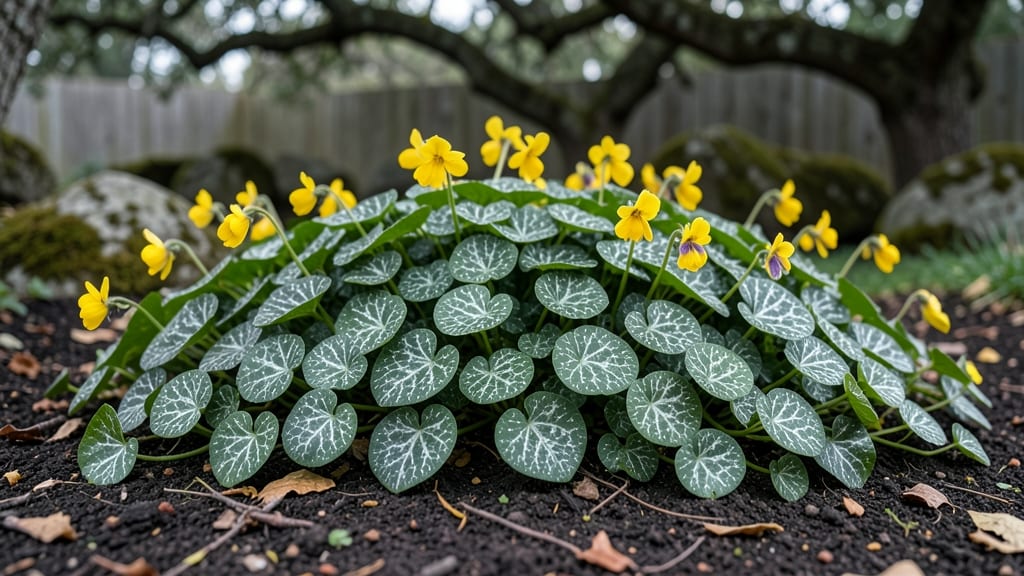
Shade-loving spiller plants turn gloomy corners into lush, fragrant displays. 🌿 I’ve spent years experimenting with vines that cascade beautifully under trees, and these five varieties never disappoint—they thrive where others fail.
The secret is choosing plants that love moisture and indirect light, like English ivy or Sweet Woodruff, which spill gracefully without demanding full sun. They add texture, scent, and vertical interest to shady beds, containers, or trellises without competing for light.
By mid-summer, you’ll see them draping elegantly over edges, their leaves rustling in the breeze while filling the air with subtle fragrance. Perfect for borders, window boxes, or even hanging baskets in dim spaces. Works in any shaded garden—just pair them with taller plants to create layered, dreamy displays.
Here’s how to pick and place them for maximum impact.
📚 In This Guide
- What you need
- Instructions
- Tips and common mistakes
- Wrapping up and next steps
What you need
- ● Shade-tolerant spiller plants: 1–3 Hoya carnosa (Wax Plant) – Trailing vines, sweet fragrance
- ● 1–2 Philodendron hederaceum (Heartleaf Philodendron) – Fast-growing, lush trails
- ● 1 Ficus pumila (Creeping Fig) – Dramatic, clinging vines (for experienced gardeners)
- ● 1 Epipremnum aureum (Golden Pothos) – Hardy, low-light tolerant
- ● Containers or hanging planters: 1–2 10–12" hanging baskets (for single plants) or 16–24" planters (for mixed arrangements)
- ○ Self-watering fabric pots (optional, for moisture control)
- ● Soil: 1 bag well-draining potting mix (e.g., 50% peat/coir + 50% perlite/pumice)
- ○ Orchid bark mix (optional, for epiphytic plants like Hoyas)
- ● Support structures: Moss poles, trellises, or obelisks (for vertical growth, 3–6 ft tall)
- ● Coconut fiber ties (to secure vines gently)
- ● Basic tools: 1 pair pruning shears (sterilized)
- ● 1 trowel (for repotting)
- ● 1 spray bottle (for misting)
- ○ Optional (but helpful!): Slow-release fertilizer (balanced 10-10-10 or organic options)
- ● Peat moss or orchid bark (for extra drainage)
- ● LED grow lights (if natural light is very low)
- ● Decorative pebbles (for aesthetic planter topping)
- ● Prerequisites: Access to indirect light (bright to medium shade, 4–6 hrs/day)
- ● Humidity-friendly space (or a humidifier for dry climates)
- ● Patience! Some vines (like Hoyas) grow slowly but reward with fragrance.
How to select and plant fragrant shade spiller vines
Here's how I transform dark corners into fragrant, cascading displays using shade-tolerant vines.
🌱 Step 1: Choose the Right Fragrant Varieties for Your Shade Level
Select vines that thrive in your specific shade conditions—partial shade (4-6 hours of dappled light) or full shade (less than 4 hours). My go-to fragrant options include Sweet Potato Vine (Ipomoea batatas) for partial shade, which produces delicate white flowers with a subtle sweet scent, and Star Jasmine (Trachelospermum jasminoides) for full shade, known for its intoxicating jasmine-like fragrance at night.
Check the plant tags for light requirements—Sweet Potato Vine tolerates morning sun but needs afternoon shade, while Star Jasmine thrives in deep shade but may produce fewer flowers without any light. I always test a small section first if unsure, as some vines like Clematis need at least 4 hours of morning sun to bloom properly.
🪴 Step 2: Prepare Containers or Hanging Baskets
Use 10-12 inch diameter containers for single plants or 18-24 inch hanging baskets for multiple vines to create a lush spiller effect. Ensure each has drainage holes—root rot from soggy soil kills vines faster than any other issue. I line the bottom with 1 inch of gravel or broken pottery to improve drainage while retaining moisture for the roots.
Fill containers with a well-draining potting mix (I blend 50% peat moss, 30% perlite, and 20% compost) to prevent compaction. Avoid garden soil—it compacts in containers and suffocates roots. Pre-moisten the mix until it feels like a wrung-out sponge, ensuring even moisture without pooling water.
☀️ Step 3: Plant and Position for Maximum Fragrance
Dig a hole twice as wide as the root ball but only as deep as the container it came in. Gently remove the plant, loosen the roots if pot-bound, and place it in the hole so the top of the root ball sits ½ inch below the container rim. Backfill with soil, pressing lightly to eliminate air pockets—this ensures roots make immediate contact with moisture.
Position containers near porches, patios, or seating areas where the fragrance will be enjoyed. Star Jasmine releases its scent at night, so place it near evening gathering spots. Water deeply after planting until water runs freely from the drainage holes, then let excess drain completely. This initial soaking helps roots establish quickly in their new home.
💧 Step 4: Water and Fertilize for Lush, Fragrant Growth
Water when the top inch of soil feels dry—typically every 2-3 days in summer or weekly in cooler months. Overwatering causes yellowing leaves and stunted growth, while underwatering leads to crispy edges. I use a self-watering planter for vacation periods to maintain consistent moisture without drowning the roots.
Fertilize every 4-6 weeks with a balanced liquid fertilizer (10-10-10) diluted to half-strength. Fragrant vines like Sweet Potato Vine respond well to a low-nitrogen, high-phosphorus feed (5-10-10) during blooming season to encourage more flowers. Always water before and after fertilizing to prevent root burn.
✂️ Step 5: Prune and Train for Continuous Cascading Drama
Pinch back new growth by one-third when vines reach 6-8 inches to encourage bushier, fuller plants. This prevents leggy growth and ensures more flowers and fragrance. For trailing varieties like Sweet Potato Vine, gently weave stems through basket edges to create a natural, cascading effect without damaging the plant.
Deadhead spent blooms regularly to redirect energy into new growth and fragrance. I also trim any yellow or brown leaves immediately—they signal stress and can attract pests. In late winter, cut back one-third of the previous year's growth to stimulate fresh, vigorous new shoots and improve air circulation.
Tips & tricks for perfect fragrant shade spiller plant displays
These pro strategies will help you create fragrant, cascading vines that thrive in dark corners.
Light Testing Strategy: Before committing to a full planting, test your shade conditions with a temporary setup. Place a small container with Sweet Potato Vine in your target spot for 2-3 days. Observe how much light it receives—if leaves yellow or wilt, it needs more light than you thought. This simple test prevents costly mistakes when planting permanent displays.
Container Layering Technique: For maximum drainage and root health, layer your container bottom with two materials: first, a ½-inch base of broken pottery shards (for aeration), then a ½-inch layer of coarse gravel (for moisture retention). This dual-layer system mimics natural soil conditions while preventing compaction that suffocates roots in standard potting mixes.
Fragrance Positioning: Star Jasmine's nocturnal scent release means placement matters. Position these containers near seating areas where evening gatherings occur—think patio furniture, deck railings, or even near open windows where night breezes can carry the fragrance indoors. This intentional placement turns your dark corners into sensory experiences rather than just visual displays.
Pruning Calendar: Create a simple pruning schedule by marking your calendar for the first week of spring and late winter. These are the optimal times for your annual one-third pruning. Spring encourages new growth, while late winter pruning removes weak stems that would compete with fresh spring shoots. Keep a small notebook near your plants to track growth patterns and adjust your schedule as needed.
Pro Tips for Shade Spiller Plants
- These pro strategies will help you create fragrant, cascading vines that thrive in dark corners.
- Light Testing Strategy: Before committing to a full planting, test your shade conditions with a temporary setup.
- This dual-layer system mimics natural soil conditions while preventing compaction that suffocates roots in standard potting mixes.
Frequently asked questions
Got questions about adding shade-loving spiller plants to your garden? You’re not alone! Here are some of the most common queries—plus quick, practical answers to help you get started with confidence.
What are the best shade spiller plants for deep shade areas?
If your space gets very little light (think dappled or deep shade), opt for hardy vines like English ivy (Hedera helix), creeping fig (Ficus pumila), or Aluminum Plant (Pilea cadierei). These thrive with minimal sunlight and add lush texture to dark corners. For slightly brighter spots, Sweet Potato Vine (Ipomoea batatas) or Lily Turf (Liriope muscari) are great choices.
How long does it take for shade spiller plants to establish and spread?
Most shade-tolerant spillers show noticeable growth within 4–8 weeks after planting, but full coverage can take 3–6 months, depending on the species. For faster results, start with established plants (not cuttings) or choose aggressive growers like Creeping Jenny (Lysimachia nummularia). Patience pays off—these plants reward you with dramatic vertical spread over time!
Can I grow shade spiller plants in containers?
Many spillers, like String of Hearts (Ceropegia woodii) or Swedish Ivy (Plectranthus verticillatus), thrive in containers with well-draining soil and occasional pruning. Use hanging baskets or trellises to guide their growth. Just ensure the container has drainage holes and you water consistently—shade plants still need moisture but hate soggy roots.
Why is my shade spiller plant not growing or turning yellow?
Yellowing leaves or stunted growth often signal overwatering, poor drainage, or insufficient light. Check your plant’s soil—it should be lightly moist but not soggy. If roots are mushy, repot with fresh, well-draining mix. For leggy or sparse growth, move it to a slightly brighter spot (but avoid harsh sun). Fertilize lightly in spring with a balanced formula to encourage lushness.
Are there fragrant shade spiller plants for added sensory appeal?
Yes! While most spillers focus on foliage, a few offer scented surprises. Try Sweet Woodruff (Galium odoratum) for a vanilla-like fragrance when crushed, or Climbing Jasmine (Trachelospermum jasminoides) for sweet evening blooms. For a tropical touch, Sweet Potato Vine (Ipomoea batatas ‘Blackie’) has subtle floral notes. Pair these with fragrant shrubs like Daphne for a multi-sensory garden experience!
Wrapping up and next steps
Shade spiller plants are the secret weapon for transforming dark, neglected corners into lush, fragrant havens! 🌿 From the delicate Clematis to the bold Hoya carnosa, these vines bring vertical charm, texture, and even sweet scents to low-light spaces.
Whether you’re a seasoned gardener or just starting, these plants prove that shade areas can be just as stunning—and low-maintenance—as sunny spots.
Ready to elevate your garden? Start small: Pick one shade-loving spiller, test its growing conditions, and watch your space bloom with effortless elegance. Happy planting! 🌱