
Shrubs
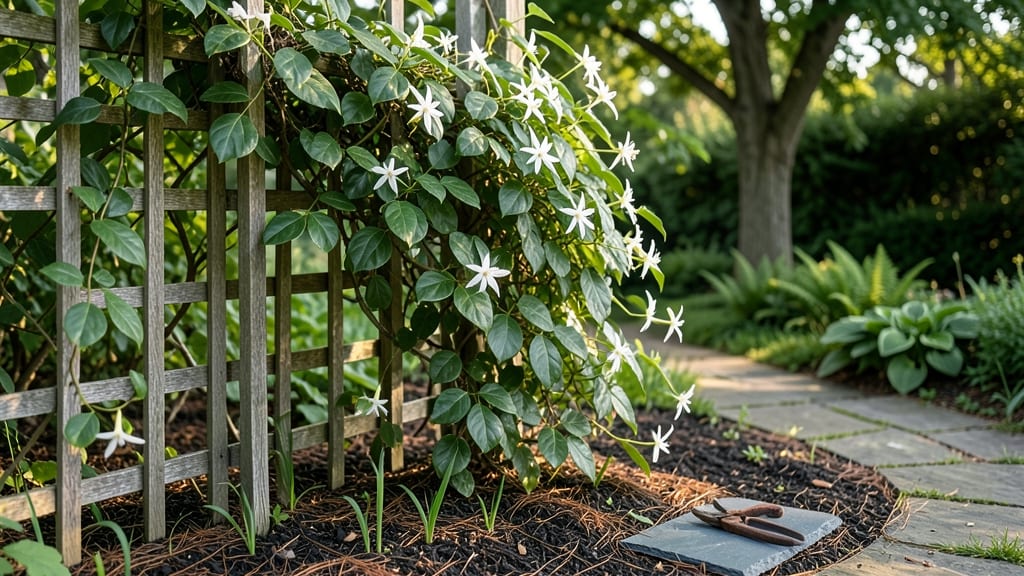
Growing star jasmine in shade 🌸 is easier than you think—and your garden will thank you for it.
Picture this: a fragrant, climbing vine thriving where most plants struggle, filling your yard with sweet blooms even under trees. Star jasmine isn’t just shade-tolerant; it’s a game-changer for dark corners, turning them into fragrant havens with minimal effort.
This delicate vine handles partial shade like a pro, but it still needs the right care to flourish. We’ll cover soil prep, watering tricks, and pruning secrets to keep your star jasmine lush, blooming, and fragrant year after year—even in the shadiest spots.
From 3-step planting tips to troubleshooting yellow leaves, you’ll learn how to coax the best out of this shade-loving beauty without sacrificing its signature sweet scent.
 Best Window Placement
How to grow star jasmine in shade: essential care tips
Star jasmine (Trachelospermum jasminoides) is one of my favorite shade-loving vines because it rewards gardeners with fragrant white blooms even in dark corners. Unlike sun-loving climbers, this evergreen beauty thrives with just 3-6 hours of indirect light daily, making it perfect for north-facing walls or under tall trees.
The key to success lies in understanding its soil preferences, watering balance, and pruning schedule—especially when growing in low-light conditions.
Many gardeners avoid star jasmine in shade, fearing it won’t bloom, but with the right care, you can enjoy abundant flowers and lush foliage year-round.
I’ve grown star jasmine in full shade for years, and while it may produce slightly fewer blooms than sun-exposed plants, the fragrance remains just as intoxicating. Let’s dive into the essential care tips to help your star jasmine flourish in shady spots.
🌱 Key Insight: Star jasmine in shade grows slower but develops a denser, bushier habit. This makes it ideal for vertical gardens or as a ground cover under trees.
| Care Factor | Shade Requirements | Actionable Tip |
|---|---|---|
| Sunlight | 3-6 hours indirect light; tolerates full shade | Place near east-facing windows or under dappled tree canopy. |
| Soil | Well-draining, slightly acidic (pH 6.0-6.5) | Amend clay soil with compost or perlite to prevent root rot. |
| Watering | Deep watering weekly; reduce in winter | Water at soil level, not overhead, to avoid fungal issues. |
| Fertilizer | Balanced 10-10-10 NPK every 6 weeks in spring/summer | Avoid high-nitrogen fertilizers—they promote foliage over flowers. |
| Pruning | Light pruning after flowering season (late summer) | Remove dead or crossing branches to improve airflow. |
| Common Issues | Yellow leaves (overwatering), sparse blooms (lack of light) | Adjust watering and consider supplemental grow lights if in deep shade. |
Let’s start with soil preparation, as this is the foundation for healthy star jasmine in shade. Star jasmine prefers well-draining soil with a slightly acidic pH (6.0-6.5). If your garden soil is heavy clay, mix in organic matter like compost or coconut coir to improve drainage.
I’ve found that adding a 2-inch layer of mulch (like pine bark) helps retain moisture while preventing soil compaction—a common issue in shaded areas.
For container growing, use a potting mix blended with perlite or vermiculite to mimic loose, airy soil. Ensure the pot has drainage holes to avoid root rot, which is a silent killer of star jasmine in low-light conditions.
If you notice yellowing leaves, this is often a sign of overwatering or poor drainage—adjust your watering schedule immediately.
Watering star jasmine in shade requires a gentler approach than sun-exposed plants. Since shaded areas dry out more slowly, I recommend watering deeply but less frequently—about once a week during the growing season (spring and summer).
In winter, reduce watering to once every 2-3 weeks, as the plant enters dormancy. Always water at the base of the plant to avoid wetting the leaves, which can lead to fungal diseases like powdery mildew.
💧 Pro Tip: Stick your finger 1-2 inches into the soil. If it feels dry, it’s time to water. If it’s still moist, wait another day.
Pruning is where many gardeners go wrong with star jasmine in shade. Unlike sun-loving vines, star jasmine in low light benefits from light, strategic pruning to encourage bushier growth and more blooms.
The best time to prune is right after flowering (late summer), when you can remove dead, diseased, or crossing branches. Avoid heavy pruning in early spring, as this can reduce the plant’s ability to produce flowers.
I also recommend trimming back any overly leggy growth to maintain a compact shape.
One of the most common issues I see with star jasmine in shade is sparse blooming. While it’s normal for shaded plants to produce fewer flowers than those in full sun, you can boost
Best companion plants for star jasmine in shade gardens
Creating a lush, fragrant shade garden with star jasmine starts with choosing the right companions. This delicate vine thrives in low-light conditions but benefits from plants that share similar care needs while adding texture, color, and fragrance to your space.
The key is selecting shade-tolerant plants that won't compete aggressively for nutrients or sunlight.
When designing your shade garden layout, think in layers: tall shrubs for structure, medium-height plants for mid-level interest, and ground covers to fill gaps. Star jasmine's climbing habit makes it perfect for trellises or arbors, so pair it with plants that complement its graceful growth.
Here's my curated list of the best companions for a thriving, aromatic shade garden:
- 🌿 Ferns (e.g., Japanese Painted Fern) - Adds delicate foliage texture and thrives in moist, shaded soil.
- 🌸 Hostas (e.g., 'Blue Angel' or 'Halcyon') - Provides lush green foliage and shade-tolerant contrast.
- 🌹 Bleeding Heart (Dicentra spectabilis) - Offers heart-shaped pink flowers that bloom in spring when star jasmine is establishing.
- 🌳 Boxwood (Buxus sempervirens) - Creates a structured backdrop for star jasmine's climbing growth.
- 🌼 Astilbe (e.g., 'Fanal') - Adds feathery plumes in summer when star jasmine's fragrance peaks.
- 🪴 Hellebores (Lenten Rose) - Provides early spring blooms before star jasmine's peak flowering season.
- 🌿 Sweet Woodruff (Galium odoratum) - Releases vanilla-like fragrance when crushed, complementing star jasmine's scent.
For a multi-sensory experience, incorporate plants with different textures and fragrances. The sweet woodruff releases its vanilla scent when walked upon, while helebores provide early spring color. Place hostas at the base of star jasmine trellises to create a lush, layered effect that softens the vine's structure.
When arranging your shade garden design, consider the mature heights of each plant. Tall boxwood shrubs (3-4 ft) should flank star jasmine's trellis, while medium-height astilbes (2-3 ft) can be placed in front. Use low-growing sweet woodruff as a living mulch to suppress weeds and retain moisture.
One of my favorite combinations is pairing star jasmine with bleeding heart and Japanese painted fern. The bleeding heart's delicate pink flowers create a stunning contrast against star jasmine's glossy green leaves, while the fern adds a fine-textured backdrop.
This trio thrives in partial shade and creates a cohesive, romantic garden feel.
Remember to mulch annually with organic matter like shredded bark to maintain even moisture levels and suppress weeds. This is especially important in shaded areas where soil can become compacted.
With the right companions, your star jasmine will create a fragrant, layered garden that feels like a secret retreat in the quietest corners of your yard.