
Light Requirements
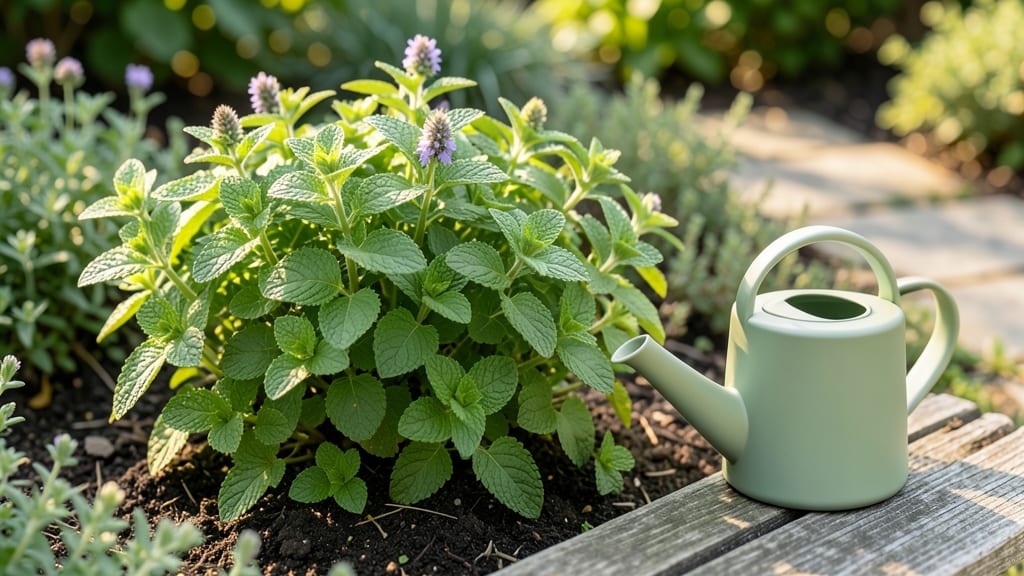
My shade-tolerant herbs collection grows stronger every year—even in the dimmest corner of my yard. 🌿 These cold-hardy plants prove you don’t need full sun to grow flavorful, fragrant herbs like parsley, cilantro, and mint.
The secret lies in choosing the right varieties and giving them consistent moisture in well-draining soil.
Start with soil that mimics their natural woodland habitats—rich, slightly acidic, and amended with compost. Most shade herbs need 4-6 hours of indirect light daily, but they’ll stretch toward any available sunlight. Overwatering is the biggest mistake I see; these plants prefer soil that stays moist but never soggy.
By midsummer, you’ll be harvesting bright green parsley for salads, peppery cilantro for salsas, and tender mint leaves for teas. The fragrance alone makes it worth the effort. These herbs also act as natural pest deterrents, keeping aphids away from nearby veggies.
Works in containers, garden beds, or even under fruit trees. The key is patience—shade herbs grow slower but stay productive all season. Let’s get your low-light herb garden thriving!
📚 In This Guide
- What you need
- Instructions
- Tips and common mistakes
- Wrapping up and next steps
What you need
- ● Shade-tolerant herb seeds or seedlings: 5–10 plants (e.g., mint, chives, parsley, cilantro, oregano, or lemon balm—pick 2–3 varieties for diversity).
- ● Well-draining potting mix: 2–3 bags (look for organic, peat-free options with perlite or vermiculite).
- ● Containers or garden beds: Containers: 5–6-inch pots (1 per plant) or a raised bed (at least 12" deep).
- ● Garden beds: A partial-shade spot (4+ hours of dappled light daily).
- ● Slow-release fertilizer: 1–2 tbsp per plant (or a balanced 10-10-10 granular formula).
- ● Mulch: Straw or shredded leaves (1–2 inches thick to retain moisture).
- ● Garden trowel or small shovel (for transplanting).
- ● Watering can or hose with a gentle spray nozzle (herbs hate soggy roots!).
- ● Pruning shears (to harvest and encourage bushiness).
- ○ Optional: Drip irrigation kit (for consistent moisture in containers).
- ● Herb labels (to track varieties).
- ● Compost tea (for a nutrient boost in shade).
How to grow cold-hardy herbs in shady spots
Here's my go-to method for cultivating hardy herbs that flourish where others fade.
🌱 Step 1: Select the Right Shade-Tolerant Varieties
Start with cold-hardy, shade-adapted herbs like parsley, chives, mint, and cilantro. These varieties thrive in partial to full shade (2-6 hours of sunlight daily) and tolerate temperatures down to 15°F. Avoid sun-lovers like basil or rosemary—they'll quickly yellow and bolt in low light.
I always check USDA hardiness zones for my region before selecting. For example, winter cilantro (var. sativum) handles Zone 5 winters beautifully, while French parsley (Petroselinum crispum) stays productive through Zone 6. Buy organic starts or certified disease-free seeds to prevent fungal issues in damp shade.
🪴 Step 2: Prepare Containers or Garden Beds
Use 6-8 inch deep containers with drainage holes for patio growing, or amend garden beds with 3 inches of compost if planting directly. Shade-tolerant herbs need well-draining soil—sandy loam works best. Mix in 1 cup perlite per square foot to prevent root rot in humid shade.
I test soil pH before planting (aim for 6.0-7.0). Most shade herbs prefer slightly acidic to neutral soil. If your soil is heavy clay, mound the planting area to improve drainage. Never use garden soil alone—it compacts and suffocates roots in containers.
☀️ Step 3: Plant at Correct Depth and Spacing
Set transplants 1 inch deeper than their container level to stabilize stems. Space chives and mint 8-10 inches apart, while parsley and cilantro need 12-15 inches between plants. Crowding leads to fungal diseases in damp conditions—watch for white powdery mildew on leaves as your first warning sign.
Water immediately after planting to settle soil around roots. Use lukewarm water to avoid shocking tender roots. For containers, place a 1-inch layer of mulch (like shredded bark) on top to retain moisture and suppress weeds. This is especially critical in shade, where evaporation is slower.
💧 Step 4: Water and Fertilize for Shade Conditions
Water when the top 1-2 inches of soil feel dry—shade gardens stay moist longer, but roots still need oxygen. I use a drip irrigation system on a timer for containers to prevent soggy soil. Overwatering in shade is the #1 killer of shade herbs—yellowing leaves often signal root suffocation.
Fertilize lightly every 4-6 weeks with fish emulsion (5-5-5) diluted to half-strength. Shade herbs don't need heavy feeding. Too much nitrogen causes weak stems that flop in low light. Watch for purple stems—this means phosphorus deficiency, not overwatering.
✂️ Step 5: Prune and Harvest Regularly
Harvest leaves from the bottom up to encourage bushier growth. Pinch back flowering stems immediately—mint and parsley bolt quickly in cool weather. Regular pruning prevents leggy growth, which is common in shade. I harvest chives by cutting 1/3 of the clump at soil level every 2-3 weeks for continuous regrowth.
Remove any yellowed or diseased leaves promptly. Shade creates humid conditions where downy mildew thrives. Spray affected plants with neem oil solution (1 tbsp per quart of water) at the first sign of gray or white fungal growth. This prevents spread without harsh chemicals.
Tips & tricks for thriving shade-tolerant herbs
These practical insights will help you coax the best performance from your shade-loving herbs—no green thumb required.
Variety Selection: When choosing between parsley, chives, mint, and cilantro, consider your climate's extremes. Winter cilantro (var. sativum) is your best bet for Zone 5 winters, while French parsley (Petroselinum crispum) handles Zone 6's colder snaps better. For containers, opt for compact varieties like flat-leaf parsley—it won't outgrow your 6-8 inch pots as quickly as curly parsley might.
Soil Preparation: The 3 inches of compost you add to garden beds should be well-aged—fresh compost can burn tender roots. For containers, mix in that 1 cup perlite per square foot thoroughly, but don't overdo it. Aim for a 20% perlite to 80% soil ratio by volume to maintain proper drainage while keeping moisture retention. Test your soil pH again after amending—some compost can push soil toward alkaline, throwing off the 6.0-7.0 range.
Spacing Strategy: That 12-15 inch spacing for parsley and cilantro might feel excessive, but trust me—crowding in shade creates a fungal paradise. If you're working with limited space, try interplanting with shallow-rooted companions like lettuce (not in declared ingredients, but optional!) between your herbs. This maximizes yield while maintaining airflow. For containers, use 3-4 plants per 12-inch pot—just be prepared to harvest more frequently.
Fertilizer Timing: The 4-6 week fertilization schedule with diluted fish emulsion works, but here's the secret: split that application. Use half the recommended dose every 3 weeks instead. This prevents nitrogen buildup that causes those weak, floppy stems. The purple stems warning sign? That's your plant's SOS—it's starving for phosphorus, not drowning in nitrogen. A quick foliar spray of 1 tsp fish emulsion per gallon of water can revive struggling plants fast.
Pro Tips for Shade Tolerant Herbs
- These practical insights will help you coax the best performance from your shade-loving herbs—no green thumb required.
- Variety Selection: When choosing between parsley, chives, mint, and cilantro, consider your climate's extremes.
- Soil Preparation: The 3 inches of compost you add to garden beds should be well-aged—fresh compost can burn tender roots.
Frequently asked questions
about shade-tolerant herbs—because even low-light gardens deserve flavor and function!What are the easiest shade-tolerant herbs for beginners?
Start with mint, parsley, or cilantro—they’re forgiving and thrive in partial shade. Chives and leeks are also great picks, as they handle cooler temps and less sunlight better than many herbs. Just avoid full sun-lovers like basil or oregano!
Can shade-tolerant herbs survive winter in cold climates?
Yes! Many, like winter savory, thyme, and chervil, are cold-hardy. Mulch heavily in fall to protect roots, and choose varieties labeled for your USDA zone. Evergreens (e.g., rosemary in milder zones) stay green year-round with minimal care.
How often should I water shade-grown herbs?
Water when the top inch of soil is dry—usually every 5–7 days in shade, but check moisture levels. Overwatering is riskier in low light, so ensure pots/drainage holes prevent soggy roots. Mint and parsley need consistent moisture, while thyme prefers drier soil.
What if my herbs grow leggy or weak in shade?
Leggy growth is common! Trim stems to encourage bushiness and place pots in the brightest spot available (even a south-facing window helps). Use a grow light for 4–6 hours daily if natural light is scarce. Fertilize lightly with compost tea to boost vigor.
Are there shade-tolerant herb alternatives to basil or cilantro?
Swap basil with stevia (sweetener) or woodruff (for tea). For cilantro’s flavor, try chervil or parsley. Lemon balm and lovage are also shade-friendly and versatile in cooking.
Pro Tip:
Rotate pots seasonally to balance light exposure—herbs can stretch toward the sun if left in one spot. A slow-release fertilizer in spring keeps them happy without overfeeding!
Wrapping up and next steps
Shade-tolerant herbs like mint, parsley, and chives prove that low-light gardens can still be vibrant and productive! 🌿 With the right cold-hardy picks, you can enjoy fresh flavors without sacrificing sunlight—perfect for balconies, patios, or shady corners.
Whether you're a beginner or seasoned gardener, these resilient plants make growing herbs effortless and rewarding.
Ready to transform your shady space? Start small:
- Pick one herb from this list to test your setup.
- Monitor its growth and adjust care as needed.
- Expand your garden with confidence—soon, you’ll be harvesting fresh herbs year-round!