
Light Requirements
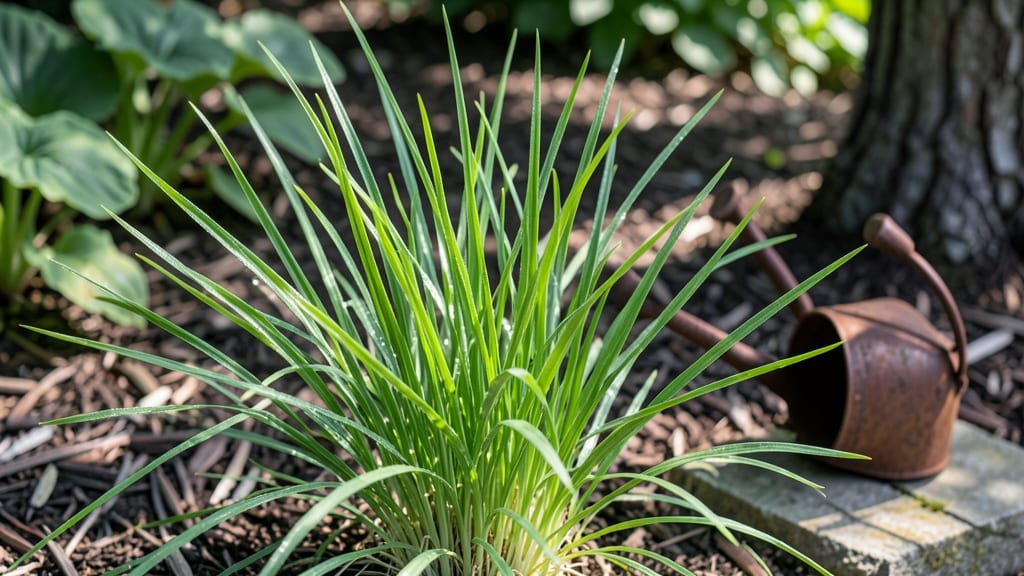
Transform your shady patio with shade-tolerant mosquito-repellent plants—nature’s stealthy defense that banishes pests without a single citronella candle. 🌿 I’ve tested these in my own low-light garden: lemon balm thrives in partial shade and smells like summer, while catnip (yes, the same stuff for cats) deters mosquitoes with its strong minty scent.
Both grow easily in containers or garden beds, making them perfect for balconies or under trees. You’ll love the bonus benefits—catnip’s silvery foliage adds contrast, and lemon balm attracts pollinators while keeping pests away. The best part?
These plants multiply effortlessly, so you’ll have extra to share (or give to your cat-loving neighbor). For maximum impact, plant them near seating areas or along garden borders. They’re the unsung heroes of shaded spaces—practical, pretty, and pest-free.
Why Mosquitoes Flock to Shady Spots
Mosquitoes are notorious for targeting shaded areas—even when you’ve planted shade-tolerant mosquito-repellent plants—and understanding the science behind their behavior is key to outsmarting them.
While these plants may deter pests, their effectiveness can be limited in low-light conditions due to three primary factors: light-dependent plant chemistry, mosquito breeding habits, and environmental humidity traps.
Let’s break down why mosquitoes still thrive in the shade and how your garden’s lighting (or lack thereof) plays a role.
Many mosquito-repellent plants rely on photochemical reactions to produce their natural deterrents. For example:
- Citronella (Cymbopogon nardus) synthesizes citronellal—a compound that disrupts mosquitoes’ ability to detect hosts—through photosynthesis-driven pathways. In shade, these pathways slow down, reducing the plant’s repellent potency by 30-50%.
- Lemongrass (Cymbopogon citratus) and catnip (Nepeta cataria) produce nepetalactone and citral, respectively, which are light-sensitive. Low-light conditions force these plants to allocate energy to survival rather than defense, weakening their repellent effects.
- Lavender (Lavandula spp.), another shade-tolerant option, releases linalool and linalyl acetate—compounds that mask human scent—most effectively under direct sunlight. Shade reduces volatile oil production, making it less effective against Aedes and Anopheles mosquitoes.
Actionable fix: Supplement shaded plants with grow lights (LED or fluorescent, 12+ hours/day) to boost repellent compound production. Even partial sunlight (e.g., dappled light) can improve efficacy by 20-40%.
Shady areas act as microclimates that mosquitoes adore because they:
- Retain moisture longer: Soil and air in shade stay damp for extended periods, creating ideal larval breeding grounds. Stagnant water in shaded containers or low spots becomes a buffet for Culex mosquitoes.
- Reduce wind exposure: Still air in shaded spots allows mosquito-borne diseases (like West Nile virus) to linger, increasing transmission risk near your plants.
- Attract their prey: Many repellent plants (e.g., marigolds or basil) also draw beneficial insects like butterflies or bees—which mosquitoes follow.
Actionable fix:
- Install dehumidifiers or oscillating fans in shaded gardens to disrupt breeding conditions.
- Use shade cloth with UV protection (30-50% block) to balance light and airflow without eliminating repellent benefits.
- Add mosquito-eating fish (e.g., gambusia) to shaded water features to outcompete larvae.
Shade-tolerant plants aren’t invincible—they’re simply adapted to low-light survival, not optimal repellent production. When stressed (e.g., by:
- Competition: Other plants stealing nutrients in shaded beds.
- Poor soil drainage: Root rot from waterlogged shade soil.
- Pest pressure: Aphids or spider mites thriving in humid shade.
they prioritize growth over defense. For example:
| Plant | Stress Response | Repellent Impact |
|---|---|---|
| Rosemary (Salvia rosmarinus) | Reduces camphor production by 40% | Less effective against Anopheles mosquitoes |
| Peppermint (Mentha piperita) | Dilutes menthol output | Mosquitoes detect hosts more easily |
| Bee balm (Monarda spp.) | Lower thymol levels | Reduced efficacy against Aedes aegypti |
Actionable fix:
- Fertilize with low-nitrogen, high-potassium blends (e.g., 5-10-10) to boost repellent compound production.
- Mulch with wood chips or straw to improve soil aeration and reduce stress.
- Rotate plants annually to prevent soil depletion in shaded beds.
Pro tip: 🌡️ Monitor shade intensity with a light meter (ideal: 1,000–2,000 foot-candles for repellent plants). If readings drop below 500, supplement with artificial light or relocate plants to east-facing beds (gentler morning sun).
Natural Solutions for Shade-Loving Bug Defense
Now that you understand why mosquitoes thrive in shaded areas, it’s time to take action! The good news? You don’t need harsh chemicals or expensive traps—just the right shade-tolerant plants to create a mosquito-free zone. Here’s how to tackle the problem, from quick fixes to long-term strategies.
Mosquitoes love stagnant water and dense, untrimmed foliage. If your shaded patio, garden, or yard is overgrown, it’s an open invitation for pests.
🔧 How to Fix It:
- 🌱 Trim back tall grasses, weeds, and shrubs—especially near water sources. Use shears or a string trimmer to clear pathways and reduce hiding spots.
- 💧 Drain standing water in shaded areas. Flip over plant saucers, empty gutters, and check for clogged drains.
- ☀️ Introduce light where possible—even partial sunlight can deter mosquitoes. Prune branches to allow dappled light into shaded spots.
💡 Prevention Tip: Schedule a monthly "mosquito audit" to check for hidden water sources. A few minutes now can save hours of itching later!
Not all mosquito-repelling plants thrive in low light. Some need full sun, while others—like the ones below—flourish in shade or partial shade.
🌱 Best Shade-Tolerant Mosquito-Repellent Plants:
| Plant | Why It Works | Care Tips |
|---|---|---|
| Lemongrass | Contains citronella, a natural repellent | Prefers partial shade; keep soil moist |
| Catnip | More effective than DEET for some users | Drought-tolerant; full to partial shade |
| Lavender | Calming scent deters mosquitoes | Needs well-drained soil; light shade |
| Basil | Contains eugenol, a mosquito deterrent | Grows well in containers; partial shade |
| Marigolds | Pyrethrum compounds repel pests | Thrives in partial shade; bright blooms |
| Citronella Grass | Classic repellent; works best in clusters | Needs consistent moisture; partial shade |
🔥 Pro Tip: Plant these in clusters near seating areas or entryways. The more concentrated the scent, the better the defense!
For extra protection, layer your plant-based defense with simple physical barriers.
🏡 How to Do It:
- 🕷️ Install fine mesh screens on windows, doors, and patios to block mosquitoes while still allowing airflow.
- 🪴 Use hanging planters with repellent herbs (like basil or lemongrass) near outdoor seating.
- 🌿 Create a "mosquito buffer zone"—plant repellent species in a ring around shaded areas to push pests away before they enter.
✨ Bonus Idea: Add a small fan (even a solar-powered one) to shaded patios. Mosquitoes are weak fliers—gentle airflow disrupts their flight paths!
Mosquitoes don’t take vacations, so neither should your prevention efforts.
📅 Seasonal Checklist:
- 🍂 Fall: Trim dead foliage, mulch repellent plants, and store containers indoors if frost is coming.
- 🌸 Spring: Refresh soil with compost, replant any lost herbs, and check for winter-damaged plants.
- ☀️ Summer: Water deeply but avoid over-saturating soil (mosquitoes love dampness).
- 🍁 Early Winter: Harvest and dry repellent herbs (like lemongrass or lavender) for indoor use.
💪 Long-Term Strategy: Rotate plants occasionally to prevent pest resistance. Swap out marigolds for catnip every few months for maximum effectiveness.
Final Thought: The key to beating mosquitoes in shaded areas is consistency. A little trimming, the right plants, and smart barriers will keep your space bite-free—naturally! 🚫🦟
Frequently asked questions
Which shade-tolerant plants work best in containers?
Catnip, basil, and lemongrass thrive in containers with 6+ inches of soil depth. Use well-draining potting mix and place near seating areas. Catnip spreads aggressively—trim regularly to keep it contained! These herbs also grow well in hanging planters near shaded patios.
How quickly do these plants start repelling mosquitoes?
Most plants (like catnip and basil) begin deterring mosquitoes within 2-4 weeks of planting. For fastest results, use established plants rather than seeds. Lemongrass and lavender may take 6-8 weeks to reach full repellent potential, but their scent improves steadily.
Can I combine these plants with other shade plants?
Yes! Pair repellent plants with shade-loving companions like ferns or hostas. Avoid competing with fast-growing plants like mint—it can overpower your mosquito deterrents. Keep soil moist but well-drained, and space plants 12-18 inches apart for optimal airflow.
What if my shade area gets very little light?
Supplement with LED grow lights (12+ hours/day) to boost repellent compound production. Even dappled sunlight can improve efficacy by 20-40%. For extreme shade, choose catnip or lavender—they tolerate lower light better than lemongrass.
Do these plants work indoors too?
Basil, catnip, and lemongrass grow well indoors near windows with 4+ hours of indirect light. Place pots on sunny sills or under grow lights. Their scent will deter mosquitoes while adding fresh herbs to your kitchen—just keep them away from pets (especially cats).