
Light Requirements
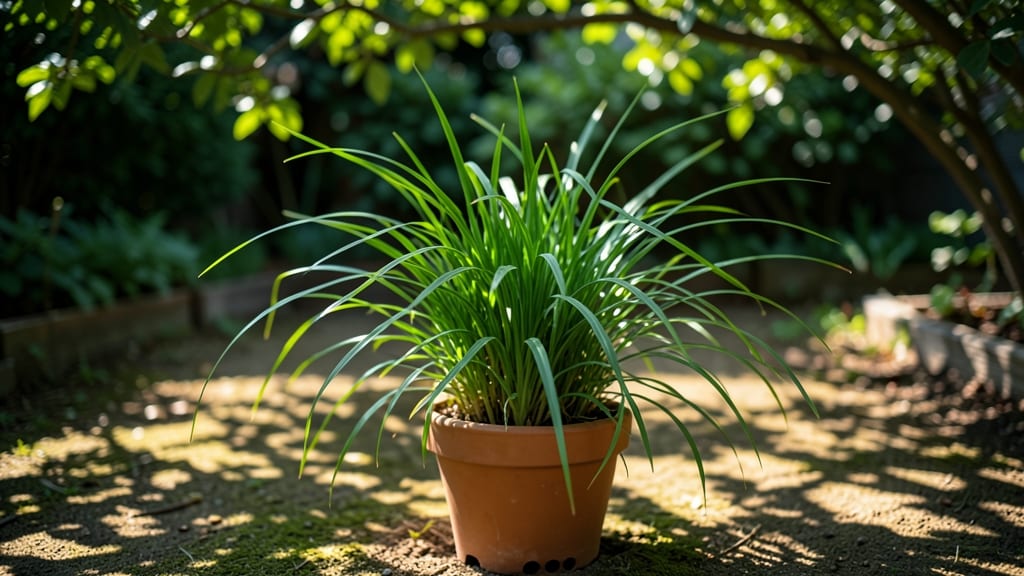
Lemongrass can grow in shade, though it thrives best with partial sunlight—a fact that surprised me when I tried it in my dim backyard last spring.
If you’ve ever watched your 🌿 lemongrass stalks stretch thin or yellow in shady spots, you’re not alone. The key isn’t giving up—it’s adjusting how you grow it.
With the right tricks, you can still harvest fragrant stalks even in low-light areas, whether you’re working with a north-facing yard or an indoor windowsill.
This herb loves warmth and light, but it’s tougher than you think. I’ll show you how to tweak soil, water, and placement to keep your lemongrass lush, even when the sun stays away. Think of it as a challenge: can you outsmart shade and still get that zesty harvest?
From container hacks to companion plants that boost growth, here’s how to turn your shady spot into a lemongrass powerhouse—no direct sunlight required.


How much shade can lemongrass tolerate before struggling?
If you’re dreaming of growing lemongrass but only have a shady spot, don’t toss those seeds just yet. This hardy herb can handle partial shade surprisingly well—though it’ll never match its full-sun siblings in vigor. The key lies in understanding your garden’s shade intensity and how it affects photosynthesis.
Too much darkness, and your lemongrass will stretch weakly, losing its signature citrusy punch. But with the right approach, you can still harvest fragrant stalks even in moderate shade.
Lemongrass thrives in 4-6 hours of sunlight daily, but it’s a flexible plant that adapts to partial shade conditions. The challenge? Most gardeners misjudge their shade levels. A spot under a dappled tree canopy might feel like “light shade,” but it could actually be deep shade by noon.
To avoid disappointment, let’s break down the 3-tier shade system and how it impacts your lemongrass.
Light shade (30-50% sunlight) is ideal for lemongrass—think morning sun with afternoon shade or filtered light through sheer curtains. Moderate shade (10-30% sunlight) will slow growth but won’t kill it, while deep shade (<10% sunlight) risks leggy, weak plants. The difference? Photosynthesis. In low light, lemongrass struggles to produce enough chlorophyll, leading to pale stems and muted flavor.
To assess your garden’s shade, use the sunlight hour test: Place a white board where you plan to grow lemongrass and mark it every hour the sun touches it. If you get less than 2 hours of direct sun, you’re in deep shade territory.
For moderate shade, aim for 2-4 hours, while light shade (4+ hours) is your sweet spot. Pro tip: South-facing windows or east-west exposures often provide the perfect balance.
If your spot is deep shade, don’t despair—lemongrass can still grow indoors near a south-facing window or under grow lights. Place your pot within 6 inches of the light source and rotate it weekly to prevent lopsided growth.
For outdoor deep shade, try reflective surfaces like white walls or aluminum foil wrapped around containers to bounce extra light onto the leaves.
Another trick? Companion planting with taller, sun-loving plants can create a natural shade gradient. For example, plant lemongrass near sunflowers or corn—their canopies will filter harsh afternoon sun while still allowing morning light to reach your herb.
Just avoid competing for nutrients by keeping them 12 inches apart.
Watch for tell-tale signs your lemongrass is struggling in shade: pale yellow leaves, stretched stems, or weak stems that flop. These mean it’s time to prune back leggy growth and move it to a brighter spot—or supplement with a 12-hour grow light if indoors.
Even a 10-watt LED bulb can make a difference for shade-loving lemongrass.
Remember, lemongrass is resilient, and with the right adjustments, you can still enjoy its zesty aroma and culinary uses—even in shady spots. The secret? Balance shade with care: richer soil, consistent watering, and occasional light supplements.
Your patience will pay off with harvest-ready stalks that rival those grown in full sun.
🌿
5 Proven hacks to grow lemongrass in shade without sacrificing yield
Growing lemongrass in shade doesn’t mean sacrificing yield or flavor. With the right techniques, you can coax this fragrant herb to thrive even in low-light spaces. The key lies in understanding how to maximize light exposure and optimize growing conditions for shade-tolerant growth.
These hacks will transform your dim garden into a productive lemongrass patch.
First, let’s address the elephant in the room: lemongrass needs light, but it’s far more adaptable than most gardeners realize. While it prefers 4-6 hours of sunlight daily, it can survive—and even thrive—with creative adjustments.
The difference between struggling plants and lush stalks often comes down to how you supplement natural light and adjust care routines.
🌿 5 Proven Hacks for Shade-Grown Lemongrass
- 🪴 Container Placement: Use reflective surfaces (white walls, mirrors) to bounce indirect light onto pots. Place containers near east-facing windows for morning sun.
- 💧 Watering Schedule: Water deeply every 2-3 days in shade to prevent root stress. Use well-draining soil mixed with perlite to avoid waterlogging.
- 🌿 Companion Planting: Pair with low-growing shade plants like ferns or hostas to create a microclimate with higher humidity.
- ✂️ Strategic Pruning: Trim outer leaves regularly to redirect energy to new growth. Avoid cutting more than 1/3 of the plant at once.
- 🌱 Soil Amendments: Mix compost and worm castings into soil to boost nutrient uptake. Add a slow-release fertilizer (10-10-10) every 6 weeks.
Let’s dive into the first hack: strategic container placement. If your garden is deep shade, containers give you mobility to rotate plants toward the best light sources. Place pots near white walls or mirrors to reflect sunlight onto your lemongrass.
For example, a south-facing window with a reflective surface can double the light exposure your plants receive.
Next, focus on soil health—the foundation of shade success. Lemongrass in shade relies on rich soil to compensate for limited photosynthesis. Amend your soil with organic matter like compost or coconut coir to improve water retention and nutrient availability.
A well-aerated mix prevents root rot, a common issue in shaded containers.
Don’t underestimate the power of companion planting. Pairing lemongrass with humidity-loving plants like coleus or caladiums creates a microclimate that retains moisture and boosts growth. This is especially useful in urban balconies where airflow can dry out soil quickly. Grouping plants also reduces stress on individual stalks.
Finally, pruning techniques make a surprising difference in shade. Regularly trimming outer leaves encourages new shoots to grow toward the light. Use sterilized scissors to cut just above a leaf node, and avoid removing more than 30% of the plant at once.
This method keeps your lemongrass compact and productive even in low light.
With these hacks, your shade-grown lemongrass can achieve yield comparable to sun-exposed plants. The secret? Proactive care and light optimization—not magic, just smart gardening. Start small, experiment with one hack at a time, and watch your fragrant stalks reach their full potential! 🌱