
Tools
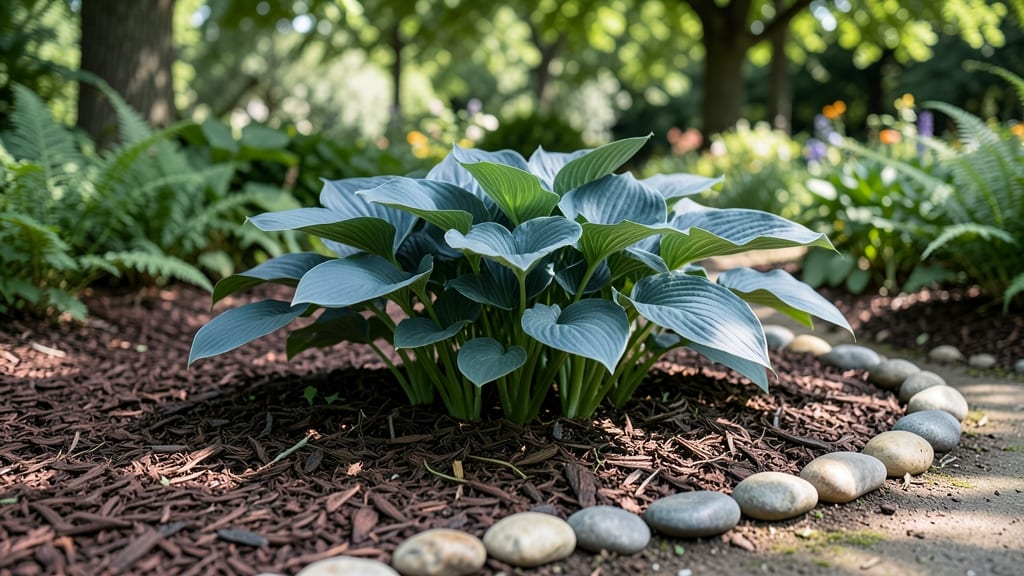
A shaded flower garden bursts with color even where sunlight barely reaches. 🌿 I transformed my dark corner into a lush retreat by choosing plants that thrive in low light—hostas, ferns, and impatiens—while layering textures and heights for drama.
The secret isn’t forcing sun-loving blooms to struggle; it’s celebrating what naturally flourishes in the shade.
Start with a moisture-retentive soil mix (add compost!) and group plants by their shade tolerance. Tall astilbes and heucheras anchor the back, while bleeding hearts spill over edges.
A dappled-light theme—think silver foliage, deep purples, and creamy whites—creates visual interest without needing sun. Even evergreen ferns keep the garden alive year-round.
By summer, you’ll have a vibrant understory that feels like a secret garden. The air stays cooler, pests are fewer, and the colors pop against the green backdrop. No more fighting nature—just working with it. This is where flowers feel most at home.
Works for woodland edges, patio corners, or north-facing yards. The same principles apply whether you’re planting 5 pots or a full border. Let’s make that shady spot the star of your garden.
📚 In This Guide
- What you need
- Instructions
- Tips and common mistakes
- Wrapping up and next steps
What you need
- ● Soil & Amendments: High-quality garden soil (50 lbs or enough to fill raised beds/planting areas)
- ● Compost (10-20 lbs) for nutrient-rich soil
- ● Peat moss or coconut coir (10-15 lbs) for moisture retention
- ● Perlite or vermiculite (5 lbs) to improve drainage
- ● Shade-Tolerant Plants: 5-10 hostas (various sizes for texture)
- ● 3-5 heucheras (for vibrant foliage)
- ● 2-3 bleeding hearts (for delicate blooms)
- ● 1-2 ferns (e.g., maidenhair or ostrich fern)
- ● Seasonal bloomers: impatiens, begonias, or astilbes (5-10 plants total)
- ● Mulch: Shredded bark or wood chips (2-3 bags, 2-3 cubic feet each)
- ○ Pine straw (1-2 bags, optional for acid-loving plants)
- ● Tools: Garden trowel or hand shovel
- ● Garden fork (for breaking up soil)
- ● Pruners (bypass or anvil type)
- ● Gloves (heavy-duty for digging)
- ● Watering can or hose with adjustable nozzle
- ● Measuring tape or ruler (for spacing plants)
- ● Container garden: 3-5 pots (10-14 inches deep) for portable shade lovers
- ● Ground cover: Sweet woodruff or ajuga (to suppress weeds)
- ● Lighting: Solar-powered path lights (for ambiance)
- ● Fertilizer: Slow-release granular fertilizer (e.g., 10-10-10)
- ● Plant markers: Stakes or labels for tracking varieties
Step-by-Step design for a thriving shaded flower garden
Here's how to create a lush, year-round shaded garden that blooms reliably without direct sun.
🌿 Step 1: Assess Your Shade Conditions
First, identify your shade type—full shade (less than 3 hours of sun), partial shade (3-6 hours), or dappled shade (filtered light through trees). I test my garden by placing a white sheet of paper in the shadiest spot for an hour; if it stays mostly white, it's full shade. This determines which plants will thrive.
Take note of moisture levels too. Shaded areas often stay damp longer, so avoid plants like impatiens that rot in soggy soil. Instead, focus on moisture-tolerant varieties like astilbes or hellebores. Mark your garden with stakes to track sun exposure patterns throughout the day.
🌱 Step 2: Select the Right Plants for Each Shade Layer
For full shade, choose plants like bleeding hearts, lungwort, and Japanese painted ferns—they handle deep shade beautifully. In partial shade, opt for hostas, foxgloves, and columbines, which tolerate a few hours of morning sun. I always layer plants by height, placing taller varieties like astilbes at the back and shorter ajuga or heucheras in the front.
For year-round color, include evergreen options like sweet woodruff or winter aconite for early spring blooms, and heucheras for late-season interest. Group plants with similar water needs together to simplify care—this prevents overwatering or underwatering in different sections.
💧 Step 3: Prepare the Soil for Moisture-Retentive Growth
Shaded gardens benefit from well-draining yet moisture-retentive soil. Work in 2-3 inches of compost or aged manure to improve fertility and structure. If your soil is heavy clay, mix in 1 part perlite or coarse sand to every 3 parts soil—this prevents compaction and root suffocation. I like to test soil moisture by squeezing a handful; it should hold together but not feel sticky.
For containers, use a lightweight potting mix blended with 20% peat moss or coconut coir to retain moisture without becoming waterlogged. Add a slow-release fertilizer at planting time to provide steady nutrients, especially for shade-lovers that grow slower than sun-loving plants.
☀️ Step 4: Plant Strategically for Seasonal Interest
Start with spring bloomers like heucheras and dutchman's breeches, then layer in summer favorites such as toad lilies and coral bells. For fall color, add Japanese anemones or tiarella. I space plants 12-18 inches apart to allow airflow and reduce fungal diseases common in shaded, humid conditions.
Mulch with 2-3 inches of shredded bark or leaf mold to conserve moisture and regulate soil temperature. Avoid fresh wood chips—they can rob nitrogen from the soil as they decompose. Water deeply after planting to settle the roots, then maintain consistent moisture until plants establish.
✂️ Step 5: Maintain with Minimal Effort
Shaded gardens need less frequent watering, but check soil moisture weekly by inserting your finger 1 inch deep. Water when the top layer feels dry, aiming for 1 inch of water per week. Deadhead spent blooms on plants like impatiens or foxgloves to encourage more flowers, but leave seed heads on coneflowers or black-eyed Susans for winter interest.
Fertilize lightly in early spring with a balanced, slow-release formula (10-10-10) to avoid burning tender roots. I avoid high-nitrogen fertilizers—they promote leafy growth at the expense of flowers in shade-loving plants. Watch for pests like slugs and snails, which thrive in damp shade; handpick them at dusk or use organic barriers like crushed eggshells.
Tips & tricks for perfect shaded flower garden design
These practical insights will help you create a thriving shaded garden that blooms beautifully year-round.
Shade Assessment: That white sheet test in Step 1 is genius—it reveals exactly how much light your garden receives. I've found that dappled shade (filtered light) actually works better for some plants than full shade because they still get some indirect sunlight. Mark your garden with stakes after testing to create zones for different shade types.
Layering Strategy: When arranging plants by height in Step 2, think vertically too—taller plants like astilbes should go at the back while shorter varieties like ajuga create a lush foreground. I like to add a mid-height plant like foxgloves to bridge the gap and create visual interest. This creates depth that makes your garden feel much larger than its actual size.
Soil Preparation: The 2-3 inches of compost in Step 3 is non-negotiable for moisture retention, but here's the secret: mix in a handful of mycorrhizal fungi with your compost. These beneficial fungi help plant roots absorb nutrients more efficiently, especially in shaded conditions where growth is slower. It's like giving your plants a natural growth boost.
Seasonal Planning: For that year-round color in Step 4, I recommend adding a few optional winter interest plants like hellbores or winter jasmine—they'll keep your garden looking vibrant even when other plants have gone dormant. Just make sure to space them appropriately among your existing plants to maintain that layered look.
Pro Tips for Shaded Flower Garden
- These practical insights will help you create a thriving shaded garden that blooms beautifully year-round.
- Shade Assessment: That white sheet test in Step 1 is genius—it reveals exactly how much light your garden receives.
- Layering Strategy: When arranging plants by height in Step 2, think vertically too—taller plants like astilbes should go at the back while shorter varieties like ajuga create a lush foreground.
Frequently asked questions
Got questions about creating a thriving shaded flower garden?
You’re not alone! Here are answers to the most common concerns—from plant selection to maintenance—so you can enjoy vibrant blooms even in low-light spots.
What are the best low-light flowers for a shaded garden?
Opt for hostas, heucheras, bleeding hearts, impatiens, and foxgloves—all thrive with 3–6 hours of shade daily. For year-round color, mix in evergreens like hemlock or sweet woodruff. Pro tip: Check plant tags for "partial shade" labels to match your light conditions!
When is the best time to plant a shaded flower garden?
Spring (after last frost) or early fall (6–8 weeks before winter) are ideal. Avoid summer heat stress—plants struggle to establish roots in extreme temps. Bonus: Divide perennials in spring for a head start!
How often should I water shaded flowers?
Water deeply 1–2 times per week (more in summer) to encourage root growth. Shady soils stay moist longer, but mulch (2–3 inches) helps retain moisture and suppress weeds. Watch for: Wilting leaves = thirsty plants!
Can I use containers for a shaded garden?
Containers work great for fuchsias, begonias, or caladiums. Use well-draining soil and pots with drainage holes. Key trick: Rotate containers occasionally for even light exposure.
How do I keep pests out of my shaded garden?
Prevent slugs/snails with copper barriers or diatomaceous earth. For aphids, spray with soapy water. Natural deterrents: Plant garlic or marigolds nearby—they repel pests!
What if my shade is too dark?
If your garden gets <6 hours of light, try astilbes, ferns, or Japanese painted ferns. For deeper shade, consider hosta varieties like 'Blue Angel' or ligularia. Lighten up: Trim overhanging branches to boost natural light.
Wrapping up and next steps
A shaded flower garden isn’t just possible—it’s a vibrant, low-maintenance dream waiting to happen! 🌿 With the right low-light champions, you can enjoy year-round color, even in the trickiest spots.
Whether you’re a seasoned gardener or just starting, this guide gives you the tools to transform dull corners into lush, thriving escapes.
Ready to dive in? Start small—pick one or two plants from our list, test your soil, and let nature do the rest. Your garden (and future visitors) will thank you! 🌸