
Shrubs
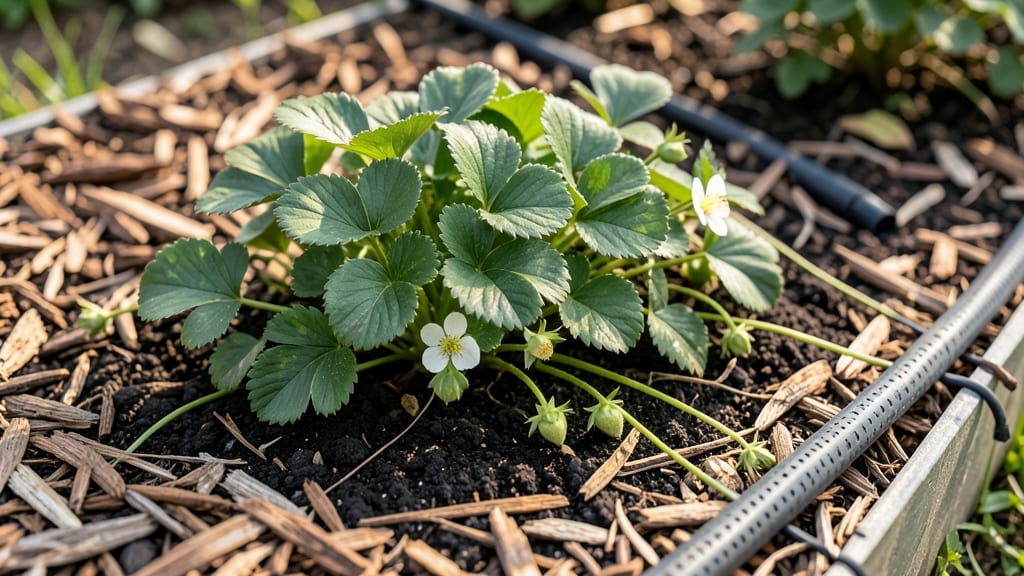
Growing strawberries in shade isn't impossible—it just requires the right varieties and a few clever tricks. 🌱 I've grown luscious berries under oak trees where others gave up, and the secret starts with selecting shade-tolerant types like 'Albion' or 'Ozark Beauty' that thrive in 30-50% shade.
The soil needs extra care: mix in 3 inches of compost before planting and keep it consistently moist, since shade slows evaporation. Mulch heavily with straw to maintain even temperatures and suppress weeds that compete for nutrients.
You'll still get sweet, if slightly smaller berries, but the flavor concentrates under partial shade. Prune aggressively in early spring to redirect energy to fruit production, and watch for powdery mildew—your biggest shade-grown challenge.
Perfect for urban balconies, forest edges, or north-facing gardens. With these adjustments, you can grow strawberries almost anywhere—even where the sun barely reaches.
📚 In This Guide
- What you need
- Instructions
- Tips and common mistakes
- Wrapping up and next steps
What you need
- ● Shade-Tolerant Strawberry Varieties: 5–10 plants of Albion, Ozark Beauty, or Seascape (everbearing or June-bearing).
- ● Well-Draining Soil: 1–2 cubic yards of a mix of 50% compost, 30% peat moss or coconut coir, and 20% perlite or sand to improve aeration.
- ○ Containers or Raised Beds (Optional but Recommended): 5–10-gallon pots with drainage holes (1 plant per pot) or
- ● A 4’x8’ raised bed (12–18 inches deep) with side panels for shade protection.
- ● Slow-Release Fertilizer: 10–15 lbs of 10-10-10 or organic fertilizer (like fish emulsion or worm castings).
- ● Mulch: 2–3 inches of straw or shredded leaves to retain moisture and suppress weeds.
- ● Drip Irrigation or Soaker Hoses: Enough to cover all plants (or a watering can with a fine rose attachment).
- ● Garden Gloves (1 pair) – To protect your hands from thorns and soil.
- ● Hand Trowel or Transplant Spade – For planting and soil amendments.
- ● Pruners or Scissors – Sharp, clean tools to trim runners and dead foliage.
- ● pH Test Kit – To ensure soil is slightly acidic (5.5–6.5). Adjust with lime or sulfur if needed.
- ○ Shade Cloth (Optional): 30–50% shade cloth if natural shade is less than 4 hours/day.
- ○ Sunlight Meter (Optional): To measure light exposure in your growing area.
Step-by-step guide to growing strawberries in shade
Here's how to cultivate lush, productive strawberries where full sun isn't an option.
🌱 Step 1: Select the Right Shade-Tolerant Varieties
Not all strawberries thrive in shade, so choose varieties bred for lower light conditions. 'Albion' and 'Seascape' are excellent choices—they produce abundant fruit even with just 4-6 hours of indirect light daily. Avoid traditional June-bearing varieties like 'Chandler' unless you're willing to accept smaller yields in deep shade.
Buy bare-root plants or container-grown varieties from reputable nurseries. Look for healthy crowns with firm, white roots and plump, green leaves—avoid plants with brown or mushy roots, as these indicate stress or disease. Planting in early spring gives roots time to establish before summer heat arrives.
🪴 Step 2: Prepare the Planting Site for Low-Light Conditions
Strawberries need well-draining soil even in shade, so amend your garden bed with 2-3 inches of compost mixed into the top 6 inches of soil. This improves fertility and moisture retention without compacting the roots. Test your soil's pH—strawberries prefer a range of 5.5-6.8, so add sulfur or lime if needed.
In deep shade, mulch heavily with 3-4 inches of straw or wood chips to insulate roots and retain moisture. Avoid black plastic mulch, which can overheat soil in partial shade. Instead, use organic mulch that breaks down slowly, releasing nutrients as it decomposes.
☀️ Step 3: Plant Correctly for Maximum Light Exposure
Space plants 18-24 inches apart in rows 3 feet apart to allow airflow and future expansion. Dig holes 6 inches deep and wide enough to spread the roots without bending them. Position the crown (where roots meet the stem) just above soil level—burying it too deep can cause rot, while leaving it exposed risks drying out.
If your shade comes from trees or buildings, plant strawberries on the north or east side of obstacles to capture reflected light. In containers, use 5-gallon pots with drainage holes and place them where they get the most indirect light possible, like near a bright window or under a 50% shade cloth if full shade is unavoidable.
💧 Step 4: Adjust Watering and Fertilizing for Shade-Grown Plants
Shade-grown strawberries need consistent moisture—water deeply 2-3 times per week until the top 2 inches of soil feel damp. Avoid overhead watering, which can spread disease; instead, use a drip irrigation system or soaker hose at the base of plants. In containers, water when the top inch of soil feels dry, as pots dry out faster than garden beds.
Fertilize lightly in spring with a balanced, slow-release fertilizer (10-10-10) at half strength. Too much nitrogen encourages leafy growth at the expense of fruit. In late summer, switch to a low-nitrogen, high-phosphorus fertilizer (like 5-10-10) to support flowering and fruiting. Avoid fertilizing in fall, as new growth won’t harden off before winter.
✂️ Step 5: Prune and Maintain for Healthy Shade Growth
Remove weak or diseased leaves regularly to improve airflow and reduce humidity, which can lead to fungal issues in shaded conditions. After harvest, trim back old, non-productive runners to redirect the plant’s energy into next year’s fruit. Leave 2-3 of the strongest runners to propagate new plants if you want to expand your patch.
Watch for spider mites and slugs, which thrive in shaded, moist environments. Treat mites with neem oil and deter slugs by placing copper tape around containers or using diatomaceous earth in garden beds. In late fall, apply 2-3 inches of straw mulch to protect roots from freezing temperatures, which are more likely in shaded areas.
Tips & tricks for growing thriving strawberries in shade
Here's what I've learned from years of growing shade-friendly strawberries—and how to avoid the pitfalls that trip up beginners.
Variety Selection Matters: When choosing between 'Albion' and 'Seascape' for your 4-6 hours of indirect light, I recommend starting with 'Seascape' first. It's a day-neutral variety that produces fruit continuously, making it more forgiving if your shade conditions vary slightly. The key is to avoid June-bearing varieties like 'Chandler' unless you're okay with smaller harvests in deep shade. I've seen 'Albion' struggle in areas with less than 5 hours of light, while 'Seascape' thrives with just 4 hours.
Soil Preparation Secret: The 2-3 inches of compost mixed into the top 6 inches of soil is non-negotiable for shade-grown strawberries. I like to add a handful of worm castings to this mix—they improve soil structure and microbial activity, which helps roots access nutrients more efficiently in low-light conditions. For containers, use a high-quality potting mix blended with 20% compost by volume to ensure proper drainage while retaining moisture.
Light Optimization Strategy: If your shade comes from trees, position your plants on the north side where they'll get reflected light from the trunk. For buildings, east-facing locations capture morning sun without the harsh afternoon heat. In containers, place them near bright windows or under a 50% shade cloth—this mimics the natural light filtering through tree canopies. I've had success with grow lights on a timer for 6 hours daily when natural light drops below 4 hours during winter months.
Watering Wisdom: The 2-3 times per week watering schedule works best when you water deeply until the top 2 inches of soil feel damp. I use a moisture meter to check—it's more reliable than guessing. For containers, I water when the top inch feels dry, but I always check the weight of the pot first: a dry pot feels significantly lighter than one with adequate moisture. This consistent moisture is especially critical in shade, where evaporation rates are lower but roots still need steady hydration.
Pro Tips for Strawberries In Shade
- Here's what I've learned from years of growing shade-friendly strawberries—and how to avoid the pitfalls that trip up beginners.
- Variety Selection Matters: When choosing between 'Albion' and 'Seascape' for your 4-6 hours of indirect light, I recommend starting with 'Seascape' first.
- Soil Preparation Secret: The 2-3 inches of compost mixed into the top 6 inches of soil is non-negotiable for shade-grown strawberries.
Frequently asked questions
about growing strawberries in shade—because even the sun-shy gardener can enjoy sweet, juicy berries!Can strawberries grow in full shade?
Most strawberries need at least 6 hours of sunlight daily to thrive, but some varieties (like Albion or Ozark Beauty) tolerate partial shade (3–6 hours). Full shade (<3 hours) will limit fruit production—expect smaller, less flavorful berries. If shade is unavoidable, prioritize shade-tolerant varieties and ensure good air circulation.
How long does it take for shaded strawberries to bear fruit?
Shade slows growth, so expect a delay of 1–2 months compared to sun-exposed plants. June-bearing types may take 6–8 months to fruit, while everbearing varieties might produce smaller harvests in their first year. Patience pays off—focus on strong roots first!
Will shaded strawberries ripen properly?
Ripening depends on sunlight and temperature. Shaded berries may ripen unevenly or stay pale. To help:
- Hand-pollinate flowers with a soft brush.
- Move containers to sunnier spots temporarily during peak ripening.
- Harvest slightly underripe berries—they’ll sweeten indoors.
Are there risks to growing strawberries in shade?
Yes! Shade increases humidity, inviting fungal diseases (like gray mold) and pests (slugs, spider mites). Mitigate risks by:
- Spacing plants 12–18 inches apart for airflow.
- Watering early in the day to reduce moisture on leaves.
- Applying copper fungicide preventatively.
What’s the best alternative if strawberries struggle in shade?
If strawberries refuse to cooperate, try these low-light alternatives:
Plant
Sun Needs
Fruit/Flower Type
Cloudberry (Rubus chamaemorus)
Partial shade
Tart berries (edible)
Strawberry Spinach (Chenopodium capitatum)
Full shade
Leafy greens (ornamental + edible)
Japanese Forest Grass (Hakonechloa macra)
Full shade
Ornamental (low-maintenance)
Wrapping up and next steps
Growing strawberries in shade doesn’t mean sacrificing sweet, juicy berries—it’s all about choosing the right varieties and giving them the love they need! 🌱 From Albion to Seascape, there are plenty of shade-tolerant options to thrive in your garden’s cozier spots.
With the right soil, mulch, and care, you’ll be enjoying homegrown strawberries even in partial or deep shade.
Ready to get started? Pick your favorite variety, prep your space, and watch your shade garden flourish! Grab your gloves, and let’s turn those shadowy patches into a berry bonanza. 🍓✨