
Shrubs
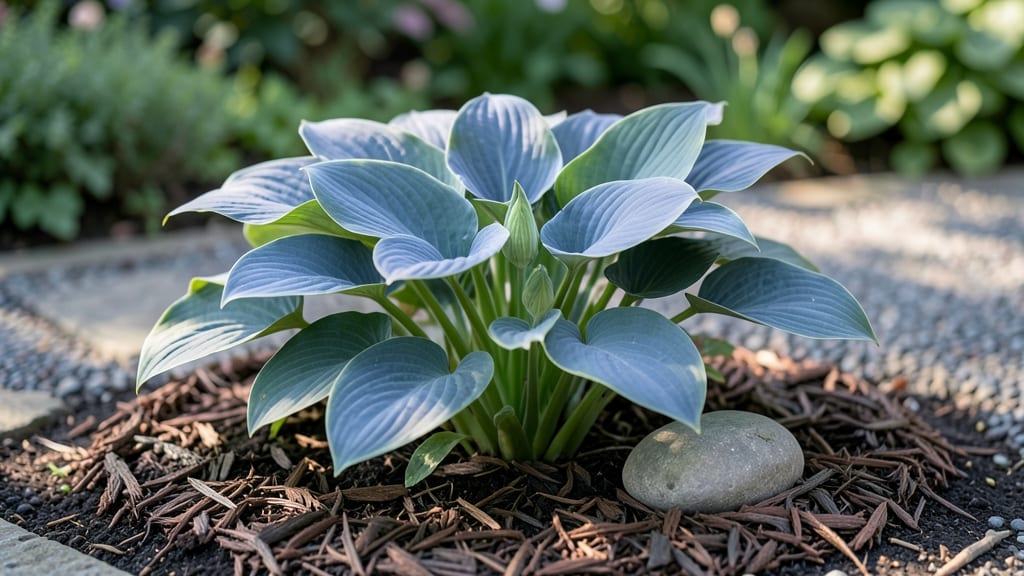
Deep shadow isn’t dead space—it’s a lush canvas waiting for the right plants. 🌿 I’ve transformed my own dark corners into vibrant retreats by choosing shade-loving shrubs that thrive where others fail, blooming reliably even when sunlight is scarce.
The secret lies in matching plant needs to your shade type: partial (4+ hours sun), full (2+ hours), or dappled (filtered light). Hostas, hydrangeas, and azaleas become the stars here, their foliage turning jewel-toned in cooler months—no summer wilting in sight.
What you’ll end up with is a year-round show: spring blooms, summer texture, and fall foliage that rivals sunny gardens. The best part? These plants demand less water and maintenance once established, making them the foolproof choice for low-light spots.
From understory shrubs to bold variegated varieties, we’ll cover the top performers and how to arrange them for maximum impact—whether you’re working with a forest floor or a north-facing patio.
📚 In This Guide
- What you need
- Instructions
- Tips and common mistakes
- Wrapping up and next steps
What you need
- ● Deep shadow-tolerant shrubs: 1-3 Heuchera (Coral Bells) – Choose 2-3 varieties for color diversity (e.g., 'Palace Purple,' 'Lime Rickey').
- ● 3-5 Hellebores (Lenten Roses) – Opt for Helleborus niger (white) or Helleborus orientalis (pink/purple).
- ● 2-3 Astilbe (False Spirea) – Pick 2-3 cultivars (e.g., 'Fanal,' 'Deutschland') for texture and height.
- ● Soil amendments: 5 gallons peat moss or coconut coir (for moisture retention).
- ● 5 lbs composted organic matter (e.g., worm castings or well-aged manure).
- ● 1 lb slow-release fertilizer (10-10-10 or organic option like fish emulsion).
- ● Planting tools: 1 garden trowel (for precise digging).
- ● 1 hand pruners (sterilized, for trimming).
- ● 1 watering can or hose with a gentle spray nozzle.
- ● Mulch (3-4 inches of shredded bark or pine needles) to retain moisture and suppress weeds.
- ● Slow-release fertilizer spikes for added nutrients.
- ● A shade cloth (30-50%) if your area gets partial sun.
- ● Decorative garden stones or pebbles for a polished look.
- ● Potted ferns or hostas to layer texture and fill gaps.
- ● A shady spot (dappled light to full shade, <4 hours of direct sun daily).
- ● Well-draining moisture-retentive soil (amend clay soil with sand if needed).
- ● Patience! These beauties thrive with consistent care but reward you with year-round drama.
How to select and care for deep shadow thrivers
These plants don't just tolerate shade—they thrive in it, delivering vibrant color and texture where others fail.
🌿 Step 1: Identify the Right Plants for Your Shade Level
Not all shade is equal, and neither are shade plants. First, determine your shade type: deep shade (less than 3 hours of direct light) or partial shade (3-6 hours of light). For true deep shadow thrivers, focus on plants like heuchera, ferns, astilbe, and hostas—they've evolved to capture even diffused light efficiently.
I always check the plant label for light requirements, but here's the rule of thumb: if a plant says "partial shade", it won't perform well in full shade. For example, heuchera 'Palace Purple' will keep its rich color in deep shade, while coleus (often labeled as partial shade) will grow leggy and pale. Observe your space for 1-2 weeks to confirm the light conditions before selecting plants.
🪴 Step 2: Prepare the Soil for Moisture-Retentive Growth
Shade plants rely on rich, well-draining, moisture-retentive soil to thrive. Amend your existing soil with 2-3 inches of compost and a handful of perlite or orchid bark to improve aeration without drying out. I like to mix in a slow-release organic fertilizer (like 5-5-5) at planting time to give roots a nutrient boost without burning them.
Test your soil's moisture retention by squeezing a handful—it should hold together but not feel soggy. If it crumbles easily, add more compost. If it stays clumpy, incorporate sand or perlite. Deep shadow plants often struggle in compacted or sandy soils, so this step makes all the difference in their long-term health.
☀️ Step 3: Plant with Strategic Layering for Year-Round Interest
Layer plants by height to create visual depth and ensure no area stays bare. Start with taller plants (like astilbe or ferns) at the back, mid-height heuchera or lamium in the middle, and ground covers (such as sweet woodruff or ajuga) in front. This arrangement mimics natural forest understories, where light filters through gradually.
Space plants 12-18 inches apart, depending on their mature size. Crowding leads to competition for nutrients and light, which weakens growth. Water deeply after planting to settle the soil and encourage root expansion. You'll know you've done it right when the soil surface looks slightly damp but not glistening—this prevents waterlogging while keeping roots hydrated.
💧 Step 4: Maintain Consistent Moisture Without Overwatering
Deep shadow plants hate drying out but detest soggy roots. Water 1-2 times per week, depending on rainfall, until the top 2 inches of soil feel dry. I use a moisture meter to check, but a simple finger test works too—stick your finger into the soil; if it feels dry, it's time to water.
Mulch with 2-3 inches of shredded bark or leaves to retain moisture and suppress weeds. Replenish mulch annually in early spring before new growth begins. Overwatering is the biggest mistake here—yellowing leaves or mushy stems are red flags that you're keeping the soil too wet. Adjust your watering schedule if you notice these signs within 1-2 weeks of planting.
✂️ Step 5: Prune and Fertilize for Continuous Color
Cut back spent blooms (like on astilbe) in early summer to encourage a second flush of flowers. For foliage plants (heuchera, ferns), remove any yellow or damaged leaves throughout the growing season to keep the plant looking tidy. I prune heuchera in late winter to shape it and remove old growth, making room for fresh spring shoots.
Feed plants once in early spring with a balanced liquid fertilizer (like 10-10-10) diluted to half strength. Avoid fertilizing in fall or winter, as this encourages tender new growth that won't survive cold temperatures. You'll see the best results when plants have deep green, vibrant foliage and continuous blooms from late spring through fall.
Tips & tricks for perfect deep shadow gardens
Between us, these plants aren't just surviving—they're thriving in conditions where others fail. Here's how to take your deep shadow garden from good to absolutely stunning.
Plant Selection Precision: The 1-2 week observation period in Step 1 is non-negotiable. I've seen gardeners rush this and end up with leggy coleus or faded hostas that never reach their potential. For true deep shade success, focus on heuchera varieties with dark foliage (like 'Palace Purple') and Japanese painted ferns—both maintain their color beautifully with less than 3 hours of light. The key is matching plant labels to your actual shade conditions, not just assuming "shade" means "shade."
Soil Science: That 2-3 inches of compost in Step 2 isn't just about nutrients—it's about creating the perfect moisture balance. I've found that adding worm castings (1 cup per planting hole) gives an extra boost to root development without the risk of burning that comes with chemical fertilizers. And when testing your soil's moisture retention, think "damp sponge" rather than "wet towel"—this is the ideal texture for deep shadow plants that hate both drought and waterlogging.
Layering Like a Pro: The height arrangement in Step 3 creates visual drama while ensuring no plant gets overshadowed by its neighbors. I always start with taller astilbe varieties (3-4 feet) at the back, then add mid-height heuchera (18-24 inches), and finally ground-hugging ajuga in front. This mimics natural forest layers where light filters through progressively. Pro tip: Space your heuchera varieties 15-18 inches apart—they'll spread over time, creating that lush carpet effect without crowding.
Watering Wisdom: That finger test in Step 4 is your best friend, but here's what I've learned the hard way: the top 2 inches of soil should feel dry to the touch, not just slightly moist. I've seen many gardeners overwater because they're checking deeper—remember, deep shadow plants have shallow root systems that need consistent moisture at the surface. And when you do water, aim for deep soaking rather than light sprinkles. This encourages roots to grow downward where they'll find more stable moisture levels.
Pro Tips for The Best Shade
- Between us, these plants aren't just surviving—they're thriving in conditions where others fail.
- Plant Selection Precision: The 1-2 week observation period in Step 1 is non-negotiable.
- Soil Science: That 2-3 inches of compost in Step 2 isn't just about nutrients—it's about creating the perfect moisture balance.
Frequently asked questions
Got questions about finding the best shade for thriving shrubs with year-round color? You’re not alone!
Here are answers to the most common queries to help you create a lush, low-maintenance landscape—no guesswork required.
What are the best shrubs for deep shade that stay green all year?
Look for evergreen varieties like Inkberry Holly, Dwarf Alberta Spruce, or Oakleaf Hydrangea. These thrive in less than 3 hours of direct sun and retain vibrant foliage through winter. For color pops, Japanese Pieris and Dwarf Fothergilla offer seasonal blooms without sacrificing shade tolerance.
How long does it take for shade-loving shrubs to establish and show color?
Most shade thrivers take 1–3 years to fully establish, with noticeable growth in the first season. Evergreens (like Boxwoods) may show color sooner, while deciduous shrubs (e.g., Azaleas) might wait until spring blooms. Pro tip: Mulch and water consistently to speed up root development!
Can these shrubs handle partial shade, or do they only work in full shade?
Many "deep shade" shrubs are flexible! For example:
- Partial shade (3–6 hrs sun): Hydrangeas, Rhododendrons, and Dwarf Gardenias thrive.
- Full shade (<3 hrs sun): Stick to Heucheras, Fern Shrubs, or Creeping Phlox.
Do shade-loving shrubs need extra watering, or are they drought-tolerant?
Most are moderately drought-tolerant once established, but young plants (first 1–2 years) need 1 inch of water weekly. Evergreens like Leucothoe may wilt in dry shade—mulch 3 inches deep to retain moisture. Brown leaves? Often a sign of overwatering or poor drainage.
What’s the easiest way to troubleshoot yellowing leaves on my shade shrub?
Yellow leaves usually mean one of these:
- Too much sun: Move to dappled shade or add a temporary shade cloth.
- Over/under-watering: Check soil moisture—soggy soil = root rot; dry soil = thirsty roots.
- Nutrient deficiency: Feed with acidic fertilizer (like 10-10-10) in early spring.
- Pests: Inspect for spider mites or scale on undersides of leaves.
Wrapping up and next steps
Finding the best shade for thriving shrubs doesn’t have to be a guessing game—it’s all about matching your plants to their ideal light conditions.
Whether you’re working with deep shadows, dappled sunlight, or a mix of both, the right shrubs can transform your space into a lush, vibrant oasis year-round. 🌿
Now that you’re armed with the perfect shadow-loving picks, it’s time to roll up your sleeves and get planting!
Start by assessing your garden’s light levels, then choose your favorites from our top recommendations. Pro tip: Don’t forget to prep the soil and give your new shrubs a little extra love during their first year. Happy gardening—your future green thumb will thank you!