
Vegetables
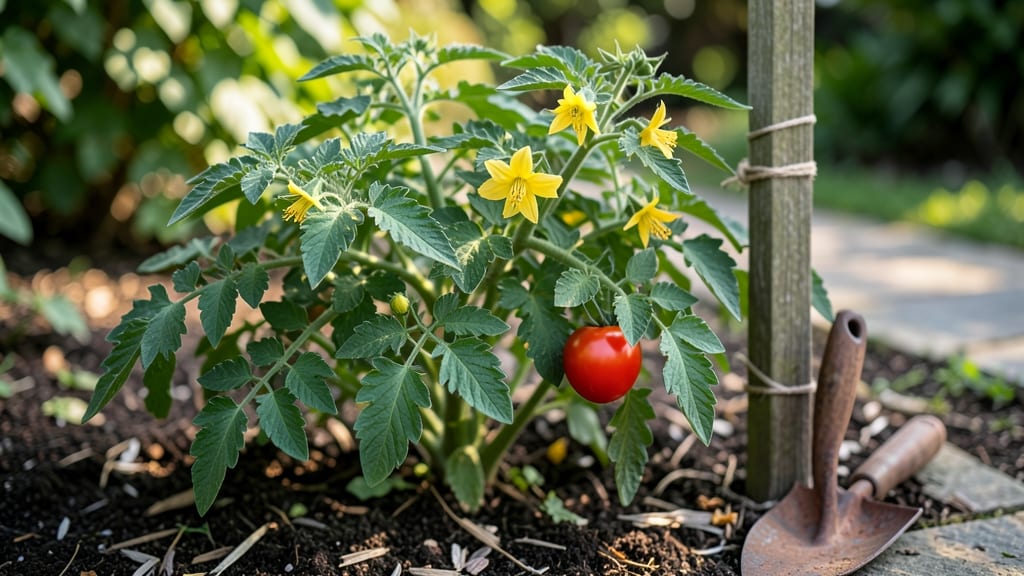
Tomatoes are part of the nightshade family (Solanaceae) and naturally contain solanine, a compound that can cause allergies or digestive discomfort in sensitive individuals—but most people handle them well in typical serving sizes.
Nightshade plants like tomatoes produce solanine as a defense mechanism against pests, and while cooking reduces this compound by up to 50%, some people still react to it. 🔥 The good news? Many varieties—especially heirloom tomatoes—have lower solanine levels than others, making them a safer bet for sensitive eaters.
If you're growing your own, opt for organic methods to minimize pesticide exposure, which can sometimes worsen reactions.
For those with nightshade sensitivities, alternatives like zucchini, cucumbers, or bell peppers (also in Solanaceae but with negligible solanine) can mimic tomatoes' texture and flavor without the risk. Always introduce new foods gradually and consult a healthcare provider if you suspect an allergy.
💡 In This Article
- Nightshade Family Plants and Solanine Content in Tomatoes
- Growing Tomatoes Safely: Varieties and Allergy Management
Nightshade family plants and solanine content in tomatoes
The nightshade family, scientifically known as Solanaceae, includes over 2,700 plant species, with tomatoes (Solanum lycopersicum) being one of the most widely consumed. This family produces solanine—a glycoalkaloid toxin that acts as a natural insect repellent and defense mechanism against herbivores.
In tomatoes, solanine concentrations are highest in the green parts (like stems and leaves), where levels can reach 3-5 mg per 100 grams, but drop dramatically in ripe fruit to 0.1-0.5 mg per 100 grams. 🌱 This explains why most people tolerate tomatoes without issue, as the average serving of 150 grams contains only trace amounts.
Cooking tomatoes further reduces solanine levels by up to 50% due to heat degradation, making dishes like sauces and soups safer for sensitive individuals.
For comparison, raw potatoes (another nightshade) contain 2-4 mg per 100 grams in their skins, while eggplants have negligible solanine (0.01 mg per 100 grams).
The key difference lies in how these compounds distribute: tomatoes concentrate solanine in unripe or damaged areas, whereas potatoes store it primarily in the skin and sprouts. This is why peeling potatoes or choosing fully ripe tomatoes minimizes exposure.
Solanine's effects vary widely—some people experience mild digestive upset (bloating, nausea) at high doses, while others with autoimmune conditions may develop rashes or joint pain.
The LD50 (lethal dose for 50% of test subjects) in rats is estimated at 300-500 mg/kg body weight, meaning a human would need to consume hundreds of kilograms of raw green tomatoes to reach toxic levels.
In reality, most reactions occur from pesticide residues or improper storage, not the tomato itself.
Not all nightshades are equal in solanine content. Bell peppers, for instance, contain almost none (0.001 mg per 100 grams), while green tomatoes can have levels comparable to raw potatoes. This is why heirloom varieties like 'Cherokee Purple' or 'Brandywine'—often lower in solanine—are preferred by sensitive individuals.
The ripening process also plays a role: red tomatoes have 70-80% less solanine than green ones due to chlorophyll breakdown and sugar conversion.
For those monitoring solanine intake, pairing tomatoes with vitamin C-rich foods (like citrus or peppers) can help neutralize any residual compounds. Studies show that ascorbic acid accelerates solanine degradation during digestion.
Additionally, fermented nightshades (like sauerkraut-style tomatoes) may reduce allergic potential by altering the compound's molecular structure. Always store tomatoes at 50-55°F to prevent enzyme activity that could increase solanine levels.
If you're curious about alternatives, consider zucchini, cucumbers, or okra—they mimic tomatoes' texture without solanine concerns. For flavor, try tomatillo (physalis), which belongs to a different family (Solanaceae's cousin, Physalidae) but contains minimal solanine.
The key takeaway? Tomatoes are safe for most people, but variety selection and preparation matter for sensitive individuals. 💫