
Planting
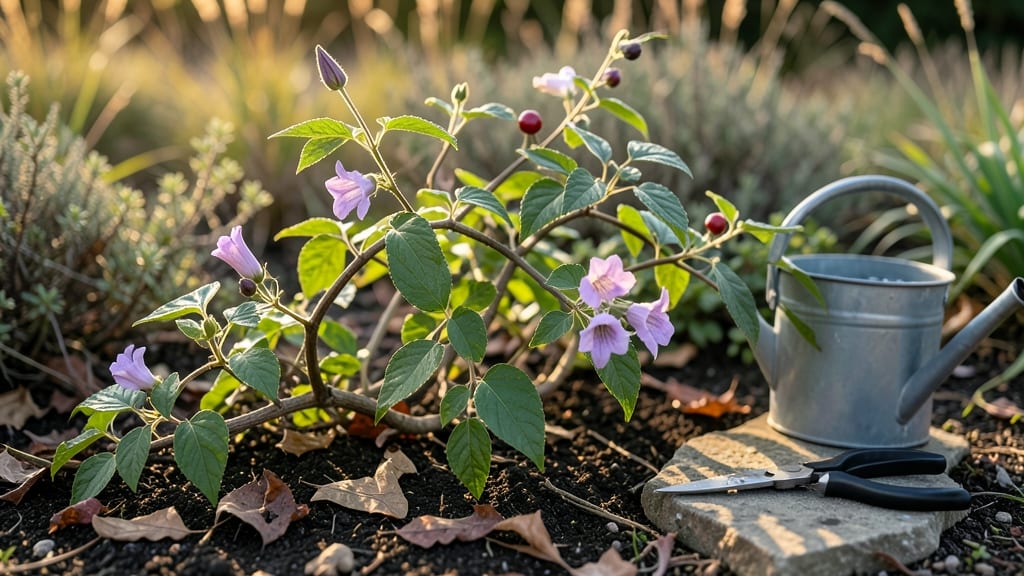
Mastering nightshade plant identification is essential—it could protect your garden and your family’s safety. 🌿 The wrong plant can look shockingly similar to your tomatoes or potatoes, but knowing the key differences keeps everyone safe.
My first mistake was mistaking bittersweet nightshade for a decorative vine, and it took a trip to urgent care to learn the hard way.
Toxic nightshades like deadly nightshade (Atropa belladonna) and bittersweet nightshade (Solanum dulcamara) have glossy leaves, purple-black berries, and grow wild in shady areas. Safe nightshades—like tomatoes, peppers, and eggplants—have hairy stems, lobed leaves, and fruit that starts green.
The rule of thumb? If the berries are shiny and black, assume they're toxic until proven otherwise.
You'll spot the difference in seconds once you know what to look for: leaf shape, berry color, and plant height. A quick garden walk with this checklist means no more accidental poisonings or wasted medical bills.
I keep a laminated version in my gardening shed—because when it comes to nightshades, better safe than sorry.
This works everywhere from suburban yards to wild forests, and the skills stay with you for life. No more guessing games when you're pulling weeds or teaching kids about garden plants. Let's get those nightshades sorted for good.
Behind The Toxicity Trigger
Nightshade plants—like tomatoes, potatoes, and eggplants—can be delicious staples in your kitchen, but their raw or improperly prepared forms may trigger adverse reactions. Understanding why these plants cause issues helps you navigate their safe use.
Below, we break down the key biological and environmental factors that turn these garden favorites from savory to risky.
Nightshade plants produce alkaloids—natural compounds that act as chemical defenses against herbivores, fungi, and bacteria. These compounds, including solanine and chaconine, are concentrated in:
- Green or sprouting parts: Sunlight exposure increases alkaloid production as a stress response. 🌱💡 Pro tip: Never eat green potatoes or tomato stems—they’re the most toxic.
- Damaged tissues: Bruised or cut areas release more solanine. Store potatoes in cool, dark places to slow breakdown.
- Immature fruits: Green tomatoes or unripe eggplants have higher alkaloid levels. Wait for full ripeness!
Fun fact: Some nightshades, like deadly nightshade (Atropa belladonna), evolved extreme toxicity to deter predators entirely. Always double-check wild plants before consumption!
Prolonged stress—whether from light, temperature, or disease—ramps up alkaloid production. Key triggers include:
| Stressor | Effect on Plants | Actionable Fix |
|---|---|---|
| 🌞 Excess sunlight | Green potatoes or tomatoes develop higher solanine levels. | Store tubers in opaque containers away from light. |
| ❄️ Cold storage | Potatoes left in refrigerators for weeks accumulate glycoalkaloids. | Keep potatoes at 45–50°F (7–10°C) in a pantry. |
| 🦠 Fungal/bacterial infections | Damaged plants produce more solanine as a defense. | Discard moldy or sprouting potatoes—don’t peel and eat! |
Even safe nightshades can become hazardous if mishandled. Common human errors:
- Peeling instead of cooking: Alkaloids concentrate in the skin but break down when heated. 🔥 Always cook potatoes and tomatoes to neutralize toxins.
- Eating raw sprouts: Potato sprouts contain chaonine, which can cause nausea or neurological symptoms. Trim sprouts immediately!
- Confusing lookalikes: Wild nightshades like bittersweet nightshade (Solanum dulcamara) mimic edible varieties. When in doubt, toss it out.
Key takeaway: Toxicity in nightshades is a survival tactic—respect the plant’s defenses by cooking properly, storing smartly, and avoiding stressed or damaged parts. Your garden’s bounty can stay safe and delicious with these science-backed steps! 🌿✨
Fixing common nightshade confusions
Mistakenly identifying nightshade plants—whether in your garden, kitchen, or wild landscapes—can lead to accidental poisoning, ruined crops, or even legal trouble if you’re dealing with restricted species. The good news? With a few simple steps, you can turn confusion into confidence.
Below, we break down the most common nightshade-related problems and how to solve them, from quick fixes to long-term prevention.
Nightshades like deadly nightshade (Atropa belladonna) or bittersweet nightshade (Solanum dulcamara) can look eerily similar to edible relatives like tomatoes or eggplants. If you’ve ever double-taken at a plant and wondered, "Is this safe?"—here’s how to resolve it fast.
✅ Quick Fix: The "Rule of Thumb" Check
- 🍅 Look at the Leaves & Stems
- Toxic nightshades often have hairy or fuzzy leaves, deep green or purplish stems, and a bitter or soapy taste when chewed (a red flag!).
- Edible nightshades (tomatoes, peppers, potatoes) usually have smooth, waxy leaves and stems that aren’t woody or milky.
- 🌱 Check the Flowers & Berries
- Toxic nightshades like belladonna have bell-shaped white or purple flowers and black, shiny berries.
- Edible nightshades (e.g., tomato flowers) are yellow or purple with star-shaped petals, and their fruit starts green before ripening.
- 📏 Measure the Plant Height & Growth Habit
- Most toxic nightshades grow as vines or shrubs (e.g., bittersweet nightshade climbs fences), while edible varieties stay compact or bushy.
💡 Pro Tip: If you’re still unsure, snap a photo and compare it to a USDA plant database or use an app like PictureThis or PlantNet for AI-assisted ID.
Ever grabbed a "wild tomato" from your garden, only to realize it was actually black nightshade (Solanum nigrum)—a common weed with toxic green berries? Here’s how to avoid kitchen disasters.
🔪 Immediate Action: Don’t Eat It!
- If you’ve already ingested a suspicious plant, seek medical help immediately. Symptoms of nightshade poisoning include:
- Dizziness, nausea, or vomiting
- Dilated pupils or blurred vision
- Rapid heartbeat or confusion
👨🍳 Prevention for Future Harvests
- 🌱 Label Everything
- Use waterproof plant tags or a garden journal to track what’s edible. Include:
- Plant name (e.g., "Heirloom Tomato ‘Brandywine’")
- Harvest date
- Any pests or treatments used
- Use waterproof plant tags or a garden journal to track what’s edible. Include:
- 🚫 Remove Doubtful Plants
- If a plant looks even slightly suspicious, pull it and dispose of it (don’t compost—nightshade toxins can linger).
- 🛡️ Test Unknown Greens
- For leafy greens, do a taste test on a tiny piece (if you’re absolutely certain it’s safe). Bitter? Ditch it.
✨ Bonus: Grow known-safe nightshades like Swiss chard or amaranth alongside your tomatoes to reduce confusion.
Nightshade weeds like black nightshade or horsenettle can invade gardens, choking out your crops. Here’s how to keep them out for good.
🌱 Long-Term Solutions
- 🌱 Mulch Heavily
- Use straw, wood chips, or cardboard mulch to block weed seeds from sprouting. Aim for 3-4 inches of coverage.
- 🔍 Hand-Pull Early & Often
- Nightshade weeds are annuals, meaning they reseed yearly. Pull them before they flower to stop the cycle.
- 💧 Water Wisely
- Nightshade weeds thrive in moist soil. Water deeply but infrequently to encourage deep root growth in your crops while stressing out weeds.
- 🌱 Plant Competitive Crops
- Interplant with fast-growing cover crops like clover or vetch, which outcompete weeds for sunlight and nutrients.
💡 Pro Tip: If nightshade weeds keep returning, your soil may be nitrogen-rich. Try adding compost or aged manure to balance it out.
Discovered deadly nightshade or jimsonweed growing near your home? Don’t panic—act fast.
- 🚨 Contact Local Authorities
- Toxic nightshades are often regulated plants. Call your:
- Local agricultural extension office
- City parks department (if it’s in a public area)
- Poison control center (1-800-222-1222 in the U.S.)
- Toxic nightshades are often regulated plants. Call your:
- 🧹 Remove Safely
- Wear gloves and long sleeves when handling.
- Bag the plant and dispose of it in the trash (not compost).
- Wash tools and hands thoroughly with soap and water.
- 🌱 Prevent Regrowth
- Check the area for more plants or seeds. Nightshades can spread via birds eating the berries!
🚨 Warning: Never burn toxic nightshades—the smoke can release harmful alkaloids.
With these solutions, you’ll never second-guess a nightshade again. Stay vigilant, label your plants, and when in doubt, skip it—your garden (and your stomach) will thank you!
Frequently asked questions
How can I tell if a wild berry is a toxic nightshade?
Check for shiny black or dark purple berries—this is your first red flag! Toxic nightshades like deadly nightshade (Atropa belladonna) and bittersweet nightshade (Solanum dulcamara) have these glossy berries, while edible nightshades (like tomatoes) have matte, red-orange fruit. Also look for bell-shaped white or purple flowers and hairy stems.
Are all nightshade plants poisonous?
No! Tomatoes, potatoes, peppers, and eggplants are safe nightshades when cooked properly. The danger comes from raw green parts (like potato sprouts) or toxic wild varieties. Always cook tubers and fruits, and avoid plants with black, shiny berries or bitter-tasting leaves.
What should I do if I think I've eaten a toxic nightshade?
Seek immediate medical help—call Poison Control (1-800-222-1222 in the U.S.). Symptoms like nausea, dizziness, or dilated pupils may appear within 30 minutes to 2 hours. Never induce vomiting without professional guidance, as some toxins can cause further damage when regurgitated.
Can I grow edible nightshades safely alongside toxic ones?
Yes, but keep them separated—toxic nightshades like bittersweet can cross-pollinate with tomatoes. Use physical barriers or plant edible nightshades in containers if toxic varieties grow nearby. Always label plants clearly and harvest only from labeled, non-toxic varieties.
Why do some potatoes turn green when stored in light?
Green potatoes produce solanine, a toxin that forms when exposed to sunlight or UV light. Store potatoes in opaque containers in a cool, dark place (like a pantry). Cut off green areas and cook thoroughly—peeling alone doesn’t remove all toxins.