
Shrubs
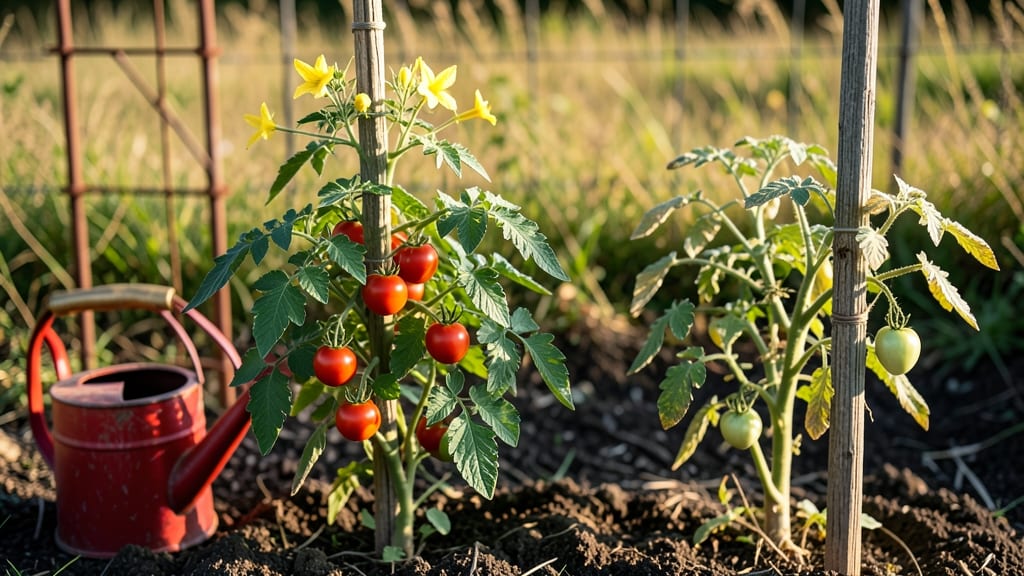
Growing tomatoes in sun or shade isn’t just about placing them anywhere—the right light exposure is the key to flavorful fruit and strong plants.
Picture this: your 🍅 plants are thriving in a sunny patch, but a neighbor’s garden in partial shade still produces tomatoes—just smaller and less sweet. What gives? The answer lies in how much sun your tomatoes really need and how to work with what your space offers.
Most tomatoes crave 6-8 hours of direct sun, but not every garden gets that. Whether you’re dealing with afternoon shade, a north-facing yard, or blazing summer heat, the right approach can mean the difference between a handful of bland tomatoes and a bountiful harvest.
In this guide, I’ll break down the science behind tomato light needs, share tricks for growing in shade, and help you pick the best varieties for your conditions—so you can enjoy juicy, vine-ripened tomatoes no matter where you garden.
 Best Window Placement
Optimal sunlight requirements for tomatoes: how much sunlight do they really need?
Tomatoes are often called sun-worshippers, but the truth is more nuanced. While most varieties thrive in full sun (6-8+ hours daily), too much scorching heat or insufficient light can drastically reduce yields and flavor.
The key lies in understanding how photosynthesis drives tomato growth—and how different varieties adapt to varying light conditions.
Sunlight isn’t just about quantity; it’s about quality. Tomatoes need direct sunlight for optimal fruit development, but extreme midday heat (especially in zones 8+) can burn leaves and stunt growth.
Even shade-loving varieties have limits—most still require at least 4-6 hours of sun to set fruit. Let’s break down the science and practical tips to maximize your harvest.
🌱 Did You Know? Tomatoes grown in partial shade often produce fewer but larger fruits with milder flavors, while full-sun plants yield more but may need afternoon shade in hot climates to prevent stress.
The photosynthesis process in tomatoes peaks when they receive morning sun (6 AM–12 PM) followed by afternoon shade. This balance prevents leaf scorch while ensuring enough energy for fruit development.
In USDA Zone 9+, afternoon shade (via cloches or shade cloth) can increase yields by 30-40% by reducing heat stress.
For indeterminate varieties like 'Sungold' or 'Black Krim', 8+ hours of sun is ideal, but they’ll still produce fruit with 6 hours. The trade-off? Fewer fruits and less vibrant color.
Meanwhile, determinate types (e.g., 'Roma') are more forgiving, thriving in 5-7 hours of sun—perfect for container gardens or north-facing plots.
Heat tolerance varies by variety. Heat-set varieties like 'Heatmaster' or 'Solar Fire' can handle 90°F+ temperatures without dropping flowers, while traditional heirlooms may stop fruiting when temps exceed 85°F. If you’re in a hot climate, opt for cherry tomatoes or small-fruited varieties—they ripen faster and tolerate heat better.
Flavor is directly tied to sunlight. Tomatoes grown in full sun develop higher sugar content and brighter colors due to increased carotenoid production. In contrast, shade-grown tomatoes often have milder flavors and paler skins. However, partial shade can actually
How to grow tomatoes in shade: best practices for partial sun exposure
Growing tomatoes in shade isn't ideal, but with the right strategies, you can still enjoy a decent harvest. Tomatoes thrive with 6-8 hours of sunlight, but partial shade can work if you adapt your approach.
The key lies in variety selection, container gardening, and maximizing light exposure creatively.
First, understand that shade reduces photosynthesis, leading to smaller fruit and weaker vines. However, some shade-tolerant varieties like 'Stupice' or 'Black Krim' perform better in low-light conditions. These varieties prioritize flavor over size, making them perfect for shaded gardens.
Tomatoes in Shade: Pros and Cons
- ✅ Less heat stress in hot climates
- ✅ Reduced sunscald on fruit
- ✅ Better flavor in some varieties
- ✅ Easier pest control (fewer sun-loving bugs)
- ❌ Smaller yields (fewer tomatoes)
- ❌ Poor fruit set (blossoms drop)
- ❌ Weaker vines (more prone to breakage)
- ❌ Higher disease risk (moisture buildup)
For container gardening, choose large pots (at least 12-15 gallons) to accommodate deeper root systems. Place containers near reflective surfaces like white walls or mirrors to bounce extra light onto your plants. This trick can boost light exposure by up to 30%, improving photosynthesis.
Companion planting is another smart strategy. Grow tall, fast-growing plants like sunflowers or corn nearby to create a natural windbreak and provide shade during peak afternoon heat. Avoid planting near competitive root systems like potatoes, which can steal nutrients and water.
If your tomatoes show signs of stunted growth or poor fruit set, prune lower leaves to improve airflow and light penetration. Use a balanced fertilizer (5-10-10) every 4-6 weeks to support growth, but avoid over-fertilizing, which can lead to excessive foliage and fewer fruits.
Mulch around the base to retain moisture and regulate soil temperature.
Finally, monitor your plants closely for pests and diseases, which thrive in shaded, humid conditions. Remove affected leaves immediately and consider using neem oil or copper fungicide as a preventive measure. With these adjustments, you can still enjoy a rewarding tomato harvest even in partial shade.