
Pests and Diseases
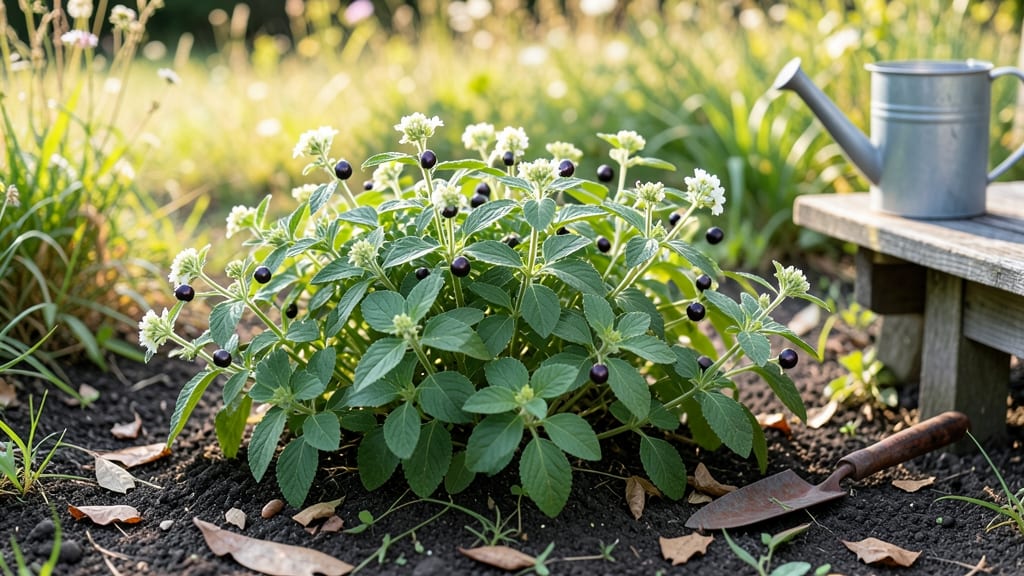
That little weed with two leaves could be two-leaf nightshade—toxic to humans and pets. 🌱 I’ve spent years pulling it from my garden, and I’ll show you how to spot it before it spreads. It mimics tomatoes and peppers but grows faster, with jagged leaves and a bitter taste.
The key is acting fast: pull it when soil is moist, and wear gloves—sap can irritate skin. A deep root system means you’ll need to dig carefully or use a hoe to slice roots. Miss one, and it’ll regrow. You’ll know it’s gone when your garden stays weed-free for weeks.
The trade-off? More space for your tomatoes and peppers, and no accidental poisonings. Safety first—this plant doesn’t play around. Prevention is easier than cleanup: mulch heavily, water deeply, and check new plants for hitchhikers. A little vigilance now saves hours of work later.
📚 In This Guide
- What you need
- Instructions
- Tips and common mistakes
- Wrapping up and next steps
What you need
- ● Gloves: Heavy-duty, nitrile or rubber gloves (2 pairs—one for handling plants, one for disposal). Pro tip: 💡 Dispose of gloves in a sealed bag after use!
- ● Eye protection: Safety goggles (rated for dust/debris).
- ● Long sleeves/pants: Wear tightly woven, long-sleeved clothing to minimize skin exposure.
- ● Garden tools: Pruners or shears (sterilized with 70% isopropyl alcohol).
- ● Garden fork or trowel (for root removal).
- ● Heavy-duty trash bags (2–3, 30-gallon capacity).
- ● Disinfectant: 1 gallon of 70% isopropyl alcohol or a 10% bleach solution (for tools and hands).
- ● Labeling supplies: Permanent marker and tags (to mark treated areas).
- ● Vinegar solution: 1 gallon white vinegar + 1 cup dish soap (for spot treatment on remaining roots).
- ● Mulch or landscape fabric: To suppress regrowth in treated areas.
- ● Digital camera: Capture photos of the plant for verification (share with local extension offices if needed).
- ● Respirator mask: If burning plants (check local regulations first!).
Step-by-Step guide to identifying and removing two-leaf nightshade
Here's how to spot this toxic lookalike and get rid of it safely.
🌱 Step 1: Examine the Plant's Key Features
Start by looking for the plant's signature two leaves that grow directly opposite each other on the stem. Unlike edible nightshades, two-leaf nightshade has hairy stems and smooth, egg-shaped leaves with a slightly waxy texture. The leaves often have a distinctive heart shape with pointed tips.
Check the roots if possible—they grow in a shallow, fibrous mat rather than the deep taproot of edible plants. I always compare it to edible nightshades like tomato or pepper seedlings, which have serrated leaf edges and hairless stems. If you're unsure, snap off a leaf and smell it—two-leaf nightshade has a mildly bitter, unpleasant odor.
🌿 Step 2: Compare With Known Edible Plants
Grab a reference photo of edible nightshades and compare side by side. Two-leaf nightshade often grows in clumps near sidewalks, driveways, or disturbed soil, while edible plants start from seeds or transplants. Look for tiny yellow flowers that appear in clusters—this is a dead giveaway for two-leaf nightshade.
I keep a small notebook by my garden gate where I sketch any suspicious plants I find. Note the leaf arrangement, stem hairiness, and growth pattern. If it matches the two-leaf description, it's time for removal. Never rely on leaf color alone—both edible and toxic plants can have similar green hues.
✂️ Step 3: Remove the Plant Safely
Wear gloves and long sleeves—the sap can irritate skin. Grab the plant at the base and pull firmly, trying to remove as much of the root system as possible. Two-leaf nightshade spreads easily from root fragments, so don't leave any behind. I use a small trowel to scrape out stubborn roots from cracks in pavement or mulch.
Place the removed plant in a sealed plastic bag immediately. Double-bag it if you're dealing with a large infestation. Check the area thoroughly for any remaining stems or leaves—even small fragments can regrow. I always walk the perimeter of my garden with a magnifying glass to spot tiny seedlings before they become established.
🪴 Step 4: Prevent Regrowth and Spread
Dig up a 6-inch radius around where the plant grew and remove all soil containing roots or seeds. Replace this soil with fresh topsoil or mulch to create a barrier. Two-leaf nightshade seeds can remain viable for years, so don't compost the removed plants—take them to a landfill instead.
Monitor the area for 4-6 weeks after removal. New seedlings often appear as the plant tries to regenerate. I set up a simple watering schedule where I check the same spots daily with a spray bottle—any new growth shows up clearly against the damp soil. If you see anything suspicious, remove it immediately using the same method.
Tips & tricks for identifying and removing two-leaf nightshade safely
Real talk: Even experienced gardeners can confuse this toxic plant with edible nightshades. Here's how to avoid costly mistakes.
Leaf Arrangement is Key: The "two leaves" in the name isn't just a fancy detail—it's your first clue. Look for leaves growing directly opposite each other on the stem (called "opposite leaf arrangement"), unlike edible nightshades which have alternating leaves. I've seen gardeners miss this because they focus too much on leaf shape. Grab a flashlight and examine plants at ground level where the stems meet the leaves.
Stem Hairiness Wins the ID Battle: This is the most reliable feature I've found. Run your fingers along the stem—two-leaf nightshade has visible hairs, while edible plants like tomatoes and peppers have smooth stems. If you're wearing gloves, use a magnifying glass to check for fine hairs. This simple test has saved me from accidentally pulling edible plants I'd mistaken for the toxic lookalike.
Root System Reveals Everything: While Step 1 mentions checking roots, I want to emphasize this further. The shallow, fibrous root mat is completely different from edible nightshade roots. Use a small hand trowel to gently lift the plant—if you see a dense network of roots spreading horizontally, that's your confirmation. I've found that even small root fragments can regrow, so be thorough when removing.
Monitoring After Removal is Non-Negotiable: The 4-6 week monitoring period in Step 4 might seem like overkill, but trust me on this. I've seen two-leaf nightshade seedlings pop up 8 weeks after removal. Set a reminder on your phone or create a simple checklist of spots to monitor daily. A spray bottle makes this easy—wet the soil and new growth will show up clearly against the damp background.
Pro Tips for Two Leaf Nightshade
- Real talk: Even experienced gardeners can confuse this toxic plant with edible nightshades.
- Leaf Arrangement is Key: The "two leaves" in the name isn't just a fancy detail—it's your first clue.
- Stem Hairiness Wins the ID Battle: This is the most reliable feature I've found.
Frequently asked questions
Got questions about two-leaf nightshade? You’re not alone—this invasive weed can be tricky to spot and remove. Here are some of the most common concerns, answered for you:
What does two-leaf nightshade look like compared to edible nightshades (like tomatoes or peppers)?
Two-leaf nightshade (Solanum physalifolium) has small, yellow flowers and hairy stems, while edible nightshades (tomatoes, peppers, eggplants) have larger, white/purple flowers and smooth stems. Its leaves are also lobed and serrated, unlike the smooth, broad leaves of tomatoes. Always double-check before pulling!
Is two-leaf nightshade poisonous to humans or pets?
Yes! All parts of two-leaf nightshade contain solanine and other toxic alkaloids, which can cause nausea, vomiting, or neurological issues if ingested. While rare, pets (especially dogs) may be tempted by its berries—keep them away and remove the plant immediately if found in gardens or yards.
When is the best time to remove two-leaf nightshade?
The ideal time is early spring or late fall when the plant is dormant but still visible. Pulling it before it seeds (late summer/early fall) prevents spread. Pro tip: Use a weed torch or vinegar spray in summer to kill established plants without letting seeds mature.
What’s the best way to get rid of two-leaf nightshade if it keeps coming back?
If it persists, combine manual removal (dig deep to avoid root fragments) with mulching (block sunlight) or pre-emergent herbicides (like corn gluten meal). For severe infestations, solarization (covering with clear plastic for 6+ weeks) can kill roots. Warning: Avoid herbicides near edible plants—stick to targeted spot treatment.
Can two-leaf nightshade grow in containers or indoor gardens?
Unlikely, but not impossible! It thrives in well-draining soil and sunlight, so potted plants in bright windows or balconies could still host it. Inspect soil before repurposing containers, and sterilize pots with a 10% bleach solution if you suspect contamination. Prevention tip: Use cactus/succulent soil (less fertile) to deter weeds.
How do I protect my vegetable garden from two-leaf nightshade?
Start with healthy soil competition: Plant dense ground covers (like clover) or fast-growing veggies (lettuce, radishes) to outcompete weeds. Hand-pull seedlings weekly, and use row covers in early spring to block seed germination. Bonus: Boil pulled plants (with roots) to create a natural herbicide tea for stubborn patches.
Wrapping up and next steps
Identifying and removing two-leaf nightshade is a crucial step in protecting your garden from its toxic effects. Armed with the right tools, knowledge, and precautions, you can safely tackle this invasive weed and keep your plants thriving. Don’t let fear hold you back—take action today!
Ready to reclaim your garden? Start by inspecting your yard this weekend and use the tips from this guide to spot and remove any suspicious plants. Share your progress with fellow gardeners for extra support! 🌱💪