
Blooming
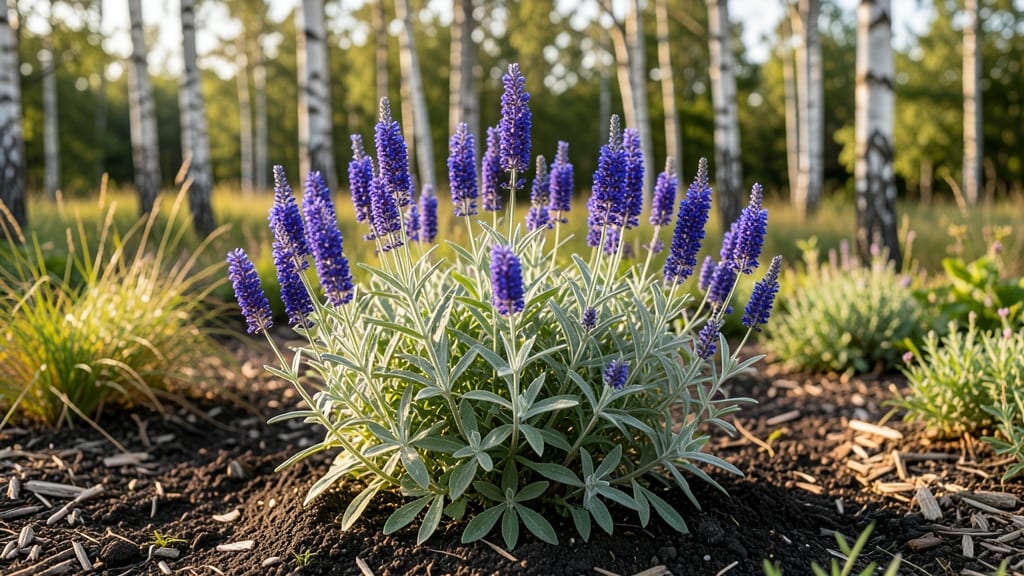
The veronica bloom time typically arrives in late spring and stretches through summer, but most gardeners miss the trick to keep them flowering long after the first flush.
If your Veronica plants are putting out vibrant blooms only once before fading into green, you’re missing a simple trick: strategic deadheading can turn one-time flowers into a nonstop summer display.
This hardy perennial thrives in USDA Zone 6a and beyond, with varieties like Veronica spicata and Veronica longifolia offering different bloom timelines—some peak in June, others linger into August. The key? Removing spent flowers at the right moment to signal the plant to produce more.
Below, I’ll walk you through the exact timing for deadheading, how to spot the best varieties for reblooming, and the care tweaks that extend your Veronica’s show from June to September.
Understanding Veronica bloom cycles and optimal deadheading timing
Veronica plants like Veronica spicata and Veronica longifolia follow natural bloom cycles that typically peak in early to mid-summer, but with the right care, they can reward you with extended flowering well into fall. Understanding these patterns is key to unlocking their full potential.
Most Veronica species produce their first flush of blooms in June or July, but without intervention, they’ll fade quickly, leaving you with lush foliage but no flowers.
The secret to nonstop reblooming lies in deadheading—the act of removing spent flowers. This simple technique signals your Veronica to redirect energy from seed production to creating new blooms.
The timing of deadheading is just as critical as doing it, as cutting too early or too late can disrupt the plant’s natural rhythm. Let’s break down the science and optimal timing windows for different Veronica varieties to keep your garden buzzing with color all season.
🌱 Did You Know? Veronica plants are self-cleaning in some cases, but their natural tendency to produce seeds after blooming drains energy that could fuel more flowers. By deadheading, you’re essentially tricking the plant into thinking it’s still early in the season, prompting it to produce secondary and tertiary blooms.
For Veronica spicata, the golden window for deadheading opens right after the first 50% of blooms have faded. This variety is particularly responsive to frequent deadheading, often producing 3-4 flushes of flowers if maintained properly.
I’ve found that cutting back spent spikes to just above a set of leaves—where new growth can emerge—encourages the plant to branch out and produce more blooms.
The science behind deadheading is rooted in plant physiology. When you remove spent flowers, you’re eliminating the plant’s seed production trigger. This prompts the Veronica to shift its energy from developing seeds to producing new flower buds.
However, timing is everything—cut too early, and you’ll remove buds that haven’t yet opened, while cutting too late can leave the plant looking ragged and stressed.
If you’re growing Veronica longifolia, which typically blooms later in the season (July-August), the deadheading window is slightly wider but still critical. Aim to remove faded blooms every 10-14 days to encourage a second flush.
This variety is more forgiving than Veronica spicata, but it still responds best to consistent care. I’ve seen Veronica longifolia plants in my garden extend their bloom time by 4-6 weeks with proper deadheading.
One common misconception is that deadheading should be done once and forgotten. In reality, Veronica plants—especially Veronica spicata—require ongoing attention to maintain their flowering. Think of it like pruning a hedge: regular, light trims yield the best results.
For Veronica incana, which has a shorter bloom season, deadheading every 2 weeks can coax out a second, albeit smaller, flush of flowers.
Environmental factors also play a role in Veronica bloom time. Plants in cooler climates (USDA zones 3-6) may bloom earlier and benefit from extended deadheading into early fall.
In warmer zones (7-9), where summers are longer, Veronica plants can continue blooming well into September or October if deadheaded consistently. Always monitor your plants for signs of stress, such as yellowing leaves or stunted growth, which can indicate over-pruning.
For best results, pair deadheading with regular feeding using a balanced fertilizer (5-10-10) every 4-6 weeks during the growing season. This ensures your Veronica has the nutrients it needs to produce vigorous new growth and prolonged blooms.
I’ve noticed that plants fed during the early bloom stage tend to rebound faster after deadheading, producing fuller, more abundant flowers in subsequent flush
Step-by-step deadheading guide for Veronica reblooming success
Deadheading your Veronica plants is the secret to turning their one-season blooms into a continuous summer spectacle. This simple technique removes spent flowers, signaling the plant to redirect energy into new buds instead of seed production.
The key? Timing and method—both of which I’ll break down to ensure your Veronica spicata or Veronica longifolia keeps flowering until frost.
Start by gathering your tools: sharp pruners, clean garden shears, or even your fingers for delicate stems. Avoid dull tools that can damage the plant. The best time to deadhead is early morning when flowers are fully open but haven’t yet wilted.
This gives you the clearest view of where to cut and prevents stressing the plant later in the day.
For Veronica varieties like Veronica ‘Sunny Border Blue’, focus on removing only the faded flower spikes—never cut into the woody stems. This preserves the plant’s structure while encouraging side shoots to bloom.
If your Veronica starts producing seed pods, it’s already too late for that bloom cycle; trim those stems back to the nearest leaf node to redirect energy.
Monitor your plant’s response: within 10-14 days, you should see new buds forming at the stem bases. If blooms slow down, check for underwatering or nutrient deficiencies. A quick soil test can reveal if your Veronica needs a phosphorus boost for flowering.
Stop deadheading by late August to allow the plant to harden off for winter. This prevents late-season growth that could be damaged by frost. With consistent care, your Veronica will reward you with colorful blooms from June through September—or even later in mild climates.
Pro tip: Deadhead on a cloudy day to avoid stressing the plant with midday heat. Pair this with regular mulching to retain moisture and extend the blooming season even further. Your garden will thank you!