
Light Requirements
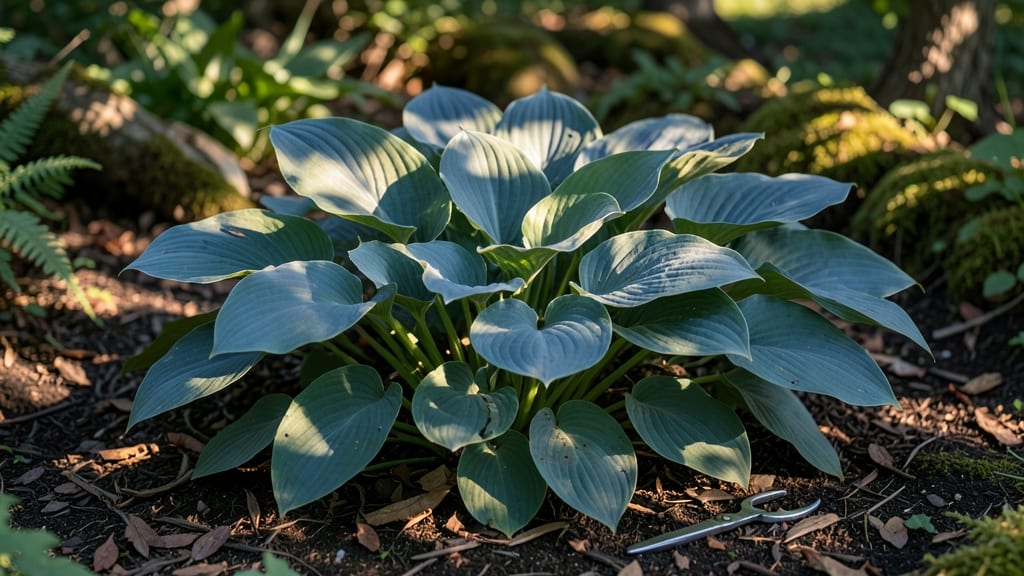
Partial shade means plants receive 3 to 6 hours of direct sunlight daily, combined with filtered or dappled light from trees or structures, creating a balanced environment for many shade-tolerant species. This light range prevents excessive heat while allowing photosynthesis to thrive without scorching leaves.
Partial shade creates the perfect middle ground for plants that can't handle harsh sun but still need more light than deep shade provides. 🌿 Think of it as a gentle balance—enough sunlight for energy production without the risk of leaf burn or wilting.
Many ornamental plants, like hostas or ferns, thrive here because they've evolved to use lower-intensity light efficiently. The key is monitoring how much direct sun your specific plants need, as some may tolerate up to 4 hours while others prefer just 2-3 hours combined with filtered light.
What makes partial shade tricky is how light quality changes throughout the day. Morning sun is cooler and less intense than afternoon rays, so positioning matters. If your garden has east-facing windows or dappled light from overhead branches, those areas naturally create ideal partial shade conditions.
I always recommend testing your space first—place a plant in the spot for a week to see how it responds before committing to long-term placement.
💡 In This Article
- How Partial Shade Differs From Full Shade and Sunlight
- Best Plants for Partial Shade Gardens
How partial shade differs from full shade and sunlight
Partial shade occupies a crucial middle ground in the light spectrum, where plants receive 3 to 6 hours of direct sunlight while also benefiting from indirect or filtered light.
This differs dramatically from full shade (less than 3 hours of direct light) or full sun (6+ hours of unfiltered rays).
The key distinction lies in how plants physiologically respond: partial shade allows enough light for photosynthesis to occur efficiently without triggering the stress responses seen in full sun, like leaf scorch or excessive water loss through transpiration.
The light quality in partial shade varies significantly based on time of day and obstructions. Morning sunlight contains cooler color temperatures (around 5,000-6,500 Kelvin) with lower UV exposure, while afternoon sun shifts to warmer tones (3,000-4,000 Kelvin) with higher UV intensity.
This explains why east-facing gardens often provide gentler partial shade—morning light is less intense than afternoon rays, which can quickly turn harmful for sensitive foliage. 🌞 The dappled light from tree canopies further diffuses sunlight, reducing heat stress while still allowing photosynthesis.
Plant physiology adapts to partial shade through several mechanisms. Chlorophyll production increases slightly to capture available light more efficiently, while stomata (leaf pores) regulate water loss more conservatively than in full sun.
Unlike sun-loving plants that develop thick cuticles or reflective leaf surfaces, shade-adapted species often have larger leaves to maximize light absorption. This is why hostas or ferns thrive in partial shade—their leaves are designed to work with lower light levels without overheating.
Understanding these differences helps explain why some plants struggle in partial shade if they're actually sun-lovers. For example, a tomato plant might show signs of legginess (stretching toward light) because it's adapted to full sun and can't efficiently photosynthesize in the reduced light.
Conversely, a shade plant like a caladium might develop weak stems if suddenly exposed to too much direct sunlight. The 3-6 hour range is a sweet spot where many ornamental plants find balance between growth and stress avoidance.
Another critical factor is the angle of sunlight. In northern climates, winter light arrives at a lower angle, naturally creating more partial shade conditions even in open areas. This seasonal variation means plants in partial shade often need supplemental light during winter months to maintain vigor.
Conversely, in tropical regions, the consistent overhead sun means partial shade is more likely to come from structural obstructions like pergolas or lattice screens rather than natural tree cover.
For gardeners, this means positioning matters just as much as duration.
A spot receiving 3 hours of morning sun and 3 hours of afternoon shade (like under a deciduous tree) creates ideal partial shade, while a location with 6 hours of midday sun (even if totaling 6 hours) would be too intense for most shade-tolerant plants.
The quality of that light—whether it's bright but indirect or dim but consistent—determines whether a plant will thrive or struggle.