
Shrubs
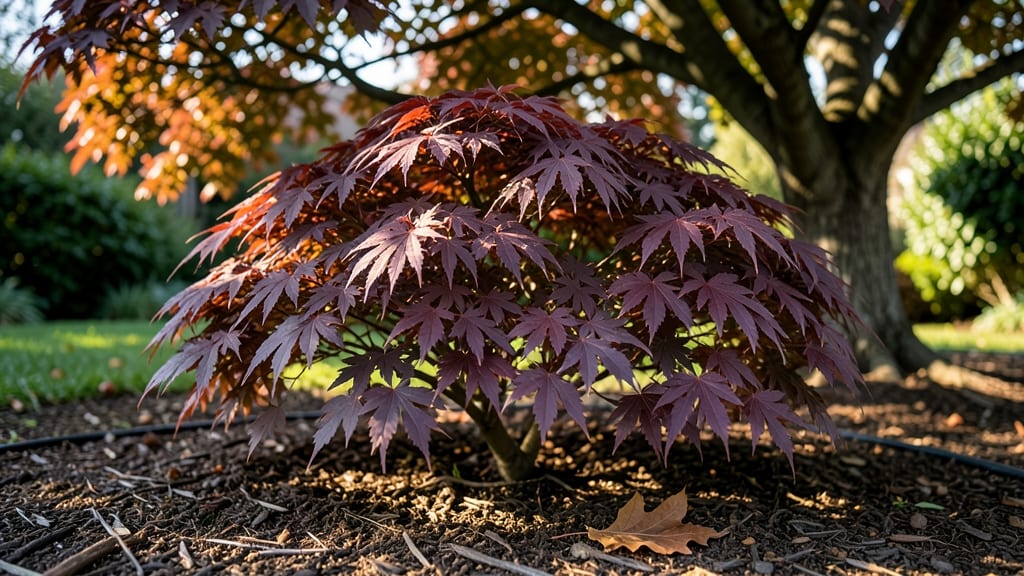
Dappled shade refers to the filtered sunlight that moves across plants through leaves or structures, creating shifting patches of light and shadow. This gentle, variable lighting differs from harsh full sun or deep shade, making it perfect for plants like hostas and ferns that thrive in moderate conditions.
This type of lighting mimics the natural forest understory, where sunlight dapples through canopy leaves. 🌿 The key advantage is its ability to prevent leaf scorch while still providing enough energy for photosynthesis.
Unlike full sun, which can stress delicate foliage, or deep shade, which limits growth, dappled shade creates an ideal microclimate for many ornamental plants. I've seen it transform struggling garden beds into lush, thriving spaces by simply adjusting plant placement under mature trees or pergolas.
What makes dappled shade particularly valuable is how it changes throughout the day. Morning light often arrives softer and more diffused, while afternoon sun may create stronger contrasts. This dynamic environment helps prevent disease by reducing prolonged moisture on leaves—a common issue in dense shade.
For gardeners in regions with intense afternoon sun, creating dappled conditions can be the difference between plant success and failure.
💡 In This Article
- How Dappled Light Affects Plant Growth
- Best Plants for Dappled Shade Gardens
How dappled light affects plant growth
Dappled shade creates a unique light environment where plants receive only 10-50% of full sunlight intensity, depending on the density of the canopy above. This variability triggers fascinating botanical adaptations.
Plants in these conditions often develop broader leaves to capture more scattered light, while their stems may grow taller to reach upward toward brighter patches. The intermittent light also prevents excessive heat buildup that would occur in full sun, maintaining leaf temperatures 10-15°F cooler than exposed areas.
The photosynthesis process becomes more efficient in dappled conditions because plants can regulate their energy intake. Unlike full sun, where leaves might overheat and close stomata (pores) to conserve water, dappled light allows for continuous gas exchange.
Studies show that plants like hostas and heucheras produce 20-30% more chlorophyll in dappled shade than in deep shade, enabling better energy capture. This explains why many woodland plants thrive here—they've evolved to maximize growth without the stress of direct sunlight.
One surprising effect is how dappled shade influences flowering patterns. Many perennials, such as astilbes and foamflowers, produce more abundant blooms in this light because their energy isn't diverted to leaf protection.
The shifting light also reduces fungal diseases by preventing prolonged moisture on leaves—a common issue in dense shade. For example, Japanese maples develop more vibrant fall colors when grown under dappled conditions because their leaves can maintain optimal sugar production without heat stress.
Regional variations matter too. In hot climates like the Southeast US, dappled shade can be a lifesaver for tropical plants that would otherwise suffer leaf scorch. Meanwhile, in cooler northern zones, it provides enough light for plants that need more than deep shade but can't handle full sun.
The key difference from full sun is the reduced UV radiation exposure, which prevents leaf bleaching while still allowing photosynthesis to occur.
Consider the case of ferns, which have been evolving in dappled conditions for millions of years. Their delicate fronds are perfectly adapted to capture scattered light while their rhizomes spread horizontally to access moisture. This adaptation explains why ferns often thrive under mature trees where other plants would struggle.
The same principle applies to shade-loving shrubs like pieris and hydrangeas, which develop thicker cuticles to protect against occasional bright spots while still benefiting from the light.
What most gardeners don't realize is how dappled shade creates a microclimate with its own weather patterns. Humidity remains higher, and air movement is gentler than in open sun, creating ideal conditions for plants that prefer 60-75% relative humidity.
This explains why tropical plants like calatheas and peperomias often do better under trees than in full shade gardens where humidity drops dramatically.