
Light Requirements
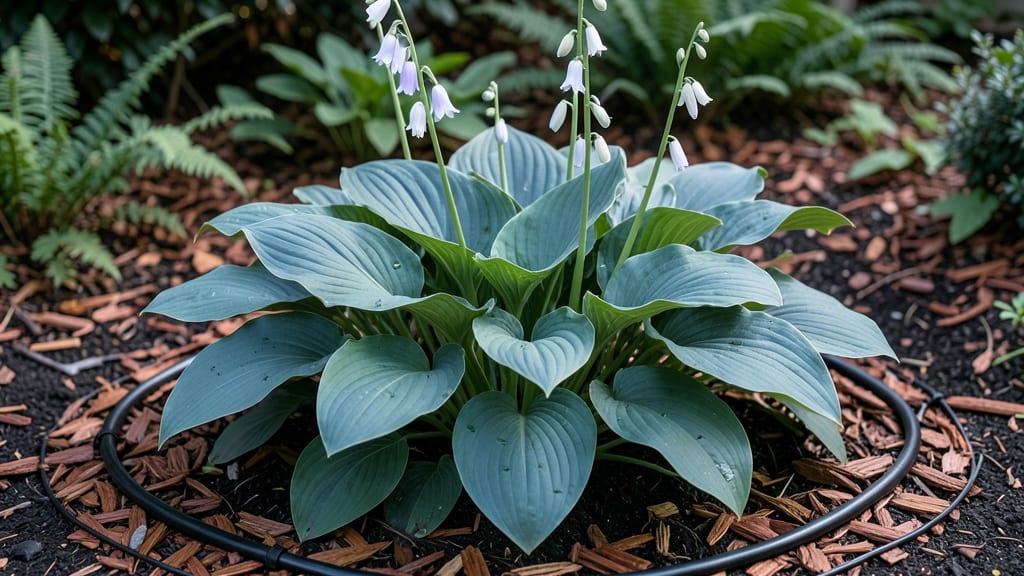
Part shade describes garden areas receiving 3 to 6 hours of sunlight daily, usually with dappled or filtered light during midday, creating the perfect balance for plants needing more light than full shade but less than full sun exposure.
This light condition occurs naturally under trees, near structures, or in transitional zones between sunny and shady spots. 🌿 Many gardeners rely on part shade to protect delicate foliage from harsh afternoon sun while still providing enough light for healthy growth.
For example, hostas and ferns thrive in these conditions, while impatiens and astilbes add vibrant color without requiring full sun. The key is observing how light patterns shift throughout the day—morning sun often feels gentler than afternoon rays, which can be more intense depending on your location.
Understanding part shade helps you create low-maintenance garden spaces that avoid the stress of extreme light conditions. Whether you're working with a north-facing yard or a spot partially blocked by a fence, recognizing these light patterns lets you select plants that will flourish with minimal effort.
The beauty of part shade is its adaptability—it accommodates both shade-loving perennials and sun-tolerant annuals in the same bed, offering year-round interest.
💡 In This Article
- How Part Shade Differs From Full Sun and Full Shade
- Best Plants for Part Shade Gardens
How part shade differs from full sun and full shade
Part shade represents a middle ground in light intensity—receiving 3 to 6 hours of direct sunlight daily, often with filtered light during peak hours. This differs dramatically from full sun (6+ hours) or full shade (<3 hours).
The key distinction lies in how light penetrates: part shade areas often experience dappled sunlight through tree canopies or building overhangs, creating a gentler light spectrum that reduces leaf scorch while still supporting photosynthesis.
In contrast, full sun delivers unfiltered UV rays that can stress plants like tomatoes or sunflowers, while full shade lacks sufficient light for most flowering plants.
Light quality matters just as much as duration. Filtered sunlight contains lower UVB levels, which reduces oxidative stress on plant tissues.
For example, a spot under a deciduous tree might get 4 hours of morning sun but only 1 hour of afternoon light due to canopy cover—creating a perfect part shade environment.
This variation explains why some plants (like hostas) thrive in part shade but struggle in full sun, where their leaves would crisp and brown.
The angle of sunlight also shifts seasonally: a north-facing wall might provide only 2 hours of winter sun but 5 hours in summer, altering the effective part shade classification.
Geographic location plays a hidden role. In southern climates, part shade areas receive more intense filtered light than in northern regions, where cooler temperatures and shorter days naturally reduce sunlight exposure.
For instance, a part shade garden in Arizona might get 5 hours of 90°F sunlight with minimal filtering, while the same spot in Maine would experience cooler, gentler rays.
This explains why some plants (like impatiens) perform differently across zones—what feels like part shade in Zone 5 could be borderline full sun in Zone 8. 💫
Dappled shade (light flecks through leaves) and deep shade (consistent low light) create additional nuances. Dappled shade often mimics part shade but with more frequent light shifts, while deep shade lacks the 3-hour minimum required for part shade.
The confusion arises because many gardeners assume "shade" means full shade—when in reality, 60% of gardens fall into part shade categories. For example, a 5-foot tall shrub might cast part shade on the ground below, creating a 3-4 hour sun window depending on its density.
Plant physiology responds differently to these conditions. In part shade, leaves develop thicker cuticles to protect against occasional direct sun, while still maintaining chlorophyll for photosynthesis. This adaptation explains why part shade plants often have darker green foliage than full-shade varieties.
The trade-off? They produce fewer flowers than full-sun plants but avoid the wilting and leaf drop seen in shade-loving species when exposed to too much light. Understanding these mechanisms helps gardeners select plants that match their light environment's unique characteristics.
Consider this real-world example: A hydrangea bush placed in morning part shade (3 hours of east-facing sun) will develop larger blooms than one in afternoon part shade, where 3 hours of hot west-facing sun can cause leaf burn.
The solution? Rotate plants seasonally or choose varieties bred for your specific light conditions. For instance, oakleaf hydrangeas tolerate more afternoon sun than bigleaf types, making them ideal for southern part shade gardens. 🌿