
Blooming
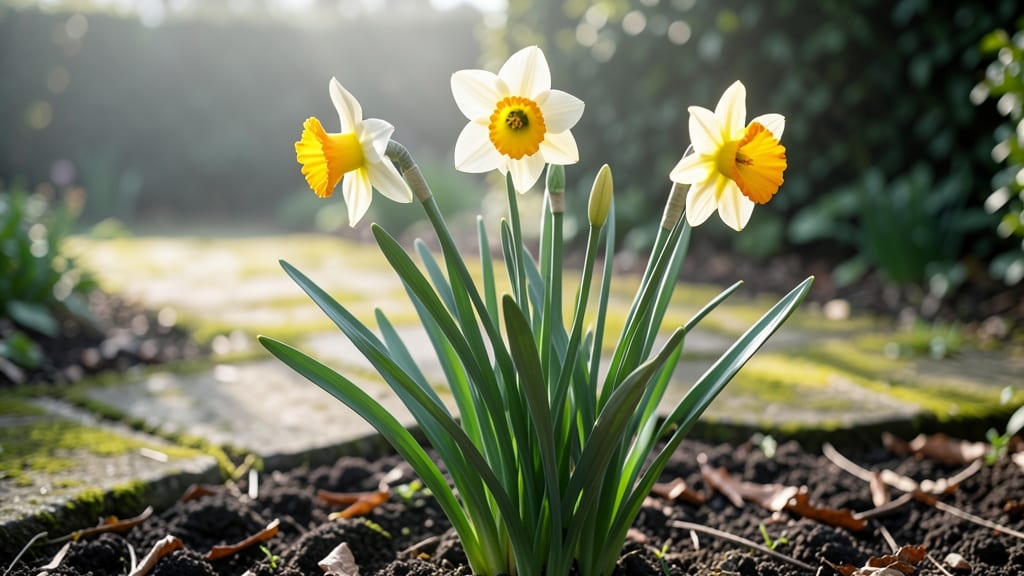
Daffodils bloom in Georgia between late February and early April, with early varieties like Jonquil flowering in Zone 7b by mid-February and later types such as Ice Follies reaching peak bloom in Zone 8a by late March. Local conditions like elevation and microclimates can shift these dates by up to two weeks.
Georgia's mild winters and varied elevations create a staggered bloom season that gardeners love. 🌼 The earliest daffodils often appear in the northern mountains (Zone 7a) as soon as late January, while coastal areas (Zone 8b) might not see their first blooms until early April.
This timing makes daffodils one of the first reliable spring flowers, signaling warmer weather ahead. Planting deeper in colder zones can delay blooming by 1-2 weeks, while well-drained soil and morning sun exposure help extend the flowering period for up to six weeks in ideal conditions.
What's fascinating is how temperature fluctuations play a role—warmer winters can push blooms earlier, while late frosts might delay them. For instance, Atlanta gardeners often see their first Jonquil blooms around President's Day weekend, while Savannah's later varieties like Ice Follies might not peak until Easter.
This variability is why choosing the right variety for your specific microclimate is key to getting those cheerful yellow blooms when you want them.
💡 In This Article
- Georgia Daffodil Bloom Timeline by Hardiness Zones
- Best Daffodil Varieties for Georgia’s Climate
Georgia daffodil bloom timeline by hardiness zones
Georgia's daffodil bloom periods vary dramatically across its USDA hardiness zones 7a-8b, with temperature thresholds triggering flower development. In Zone 7a (northern mountains like Blairsville), daffodils often begin pushing through soil as early as late January when daytime temperatures consistently reach 50°F.
The blooming process accelerates when nighttime lows stabilize above 35°F, typically by mid-February for early varieties like 'Tête-à-Tête'. This timing aligns with Georgia's average last frost date of February 15 in these higher elevations.
The transition to Zone 7b (Atlanta area) shifts bloom windows by about 10-14 days later, with Jonquil varieties typically opening around February 20.
Here, gardeners notice a fascinating phenomenon: daffodils planted at 6-8 inches deep (versus standard 4-6 inches) often bloom 7-10 days later due to delayed bulb exposure to warming temperatures.
This deeper planting technique creates a natural staggered bloom effect that can extend your spring color display by up to three weeks.
Southern Georgia's Zone 8a (Columbus/Macon) experiences a 2-3 week delay compared to Atlanta, with popular varieties like Ice Follies peaking in late March. The key difference here is the warmer winter soil temperatures (often 55-60°F by February) that accelerate bulb growth but also increase susceptibility to fungal diseases.
In Zone 8b (Savannah/coastal areas), late bloomers like Thalia may not reach peak bloom until early April, with some gardeners reporting first flowers appearing around March 15 when daytime highs consistently exceed 65°F.
What most gardeners don't realize is how microclimates within 10 miles can create 2-week bloom differences. For example, a north-facing slope in Zone 7b might see Jonquil blooms by February 10, while a south-facing lowland just 5 miles away could delay blooming until February 25.
This variation explains why some Atlanta gardeners report seeing daffodils in January while others don't see them until March - it's not just about the zone, but the specific site conditions.
The science behind this involves vernalization - the cold period daffodil bulbs need to flower. Georgia's mild winters often provide just enough chilling (typically 300-500 hours below 40°F) to trigger blooming, but warmer winters can reduce this chilling time by 20-30%, pushing blooms earlier.
This is why some years see daffodils in January while others don't appear until April - it's not just about the calendar, but the cumulative cold hours your bulbs received.
For practical application, consider these planting adjustments: In colder microclimates (Zone 7a), plant bulbs 6-8 inches deep for later blooms that avoid late winter frosts. In warmer areas (Zone 8b), shallow planting (4-5 inches) can encourage earlier blooming.
The key is matching your planting depth to your local frost date patterns - a simple but effective way to time your daffodils perfectly with Georgia's unpredictable spring weather patterns.