
Blooming
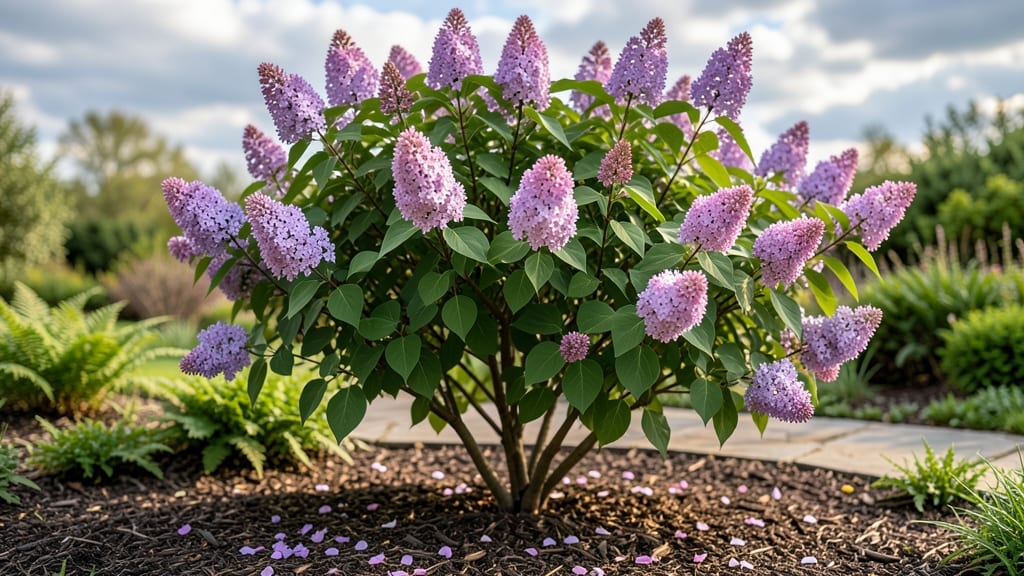
Lilacs in Maine bloom between late April and June, but the exact timing depends on your hardiness zone and last frost date — a two-week window can mean the difference between a fragrant spring and a missed show.
Picture this: you’ve waited all winter for that 🌸 explosion of purple and white, only to step outside one morning and realize the blooms are already fading.
That’s why knowing your zone matters — 5b-6a gardens in southern Maine often see lilacs open by early May, while northern areas might not hit peak bloom until early June.
Beyond frost dates, factors like sunlight, soil, and even last year’s pruning can shift blooming by weeks. The good news?
With a few adjustments — like planting in full sun or fertilizing at the right time — you can coax your lilacs to burst into color just as your neighbors’ do.
Below, I’ll break down the exact weeks lilacs bloom in each Maine county, plus how to predict your garden’s timing and keep those fragrant clusters coming back year after year.
Maine lilac bloom timing by hardiness Zone (exact months & weeks)
Maine's lilac blooms arrive with the first hints of spring, but the exact timing depends heavily on your USDA hardiness zone and local microclimates. In Zone 3 (northern Maine), lilacs typically bloom 2-3 weeks later than in Zone 5 (southern Maine).
Understanding these variations helps you time pruning and enjoy peak fragrance without missing the show.
Most Maine lilacs bloom between late April and early June, with early bloomers like 'Katherine Havemeyer' opening as early as mid-April in Zone 5. Meanwhile, late bloomers such as 'President Lincoln' may not peak until late May in Zone 3.
Coastal areas often see blooms 1-2 weeks earlier due to milder winters and longer growing seasons.
Here's how bloom timing breaks down across Maine's three primary hardiness zones, including exact weeks and regional variations:
| Zone & Location | Early Bloomers (Mid-April) | Peak Bloom (Late April - Early May) | Late Bloomers (Mid-May) | Key Varieties |
|---|---|---|---|---|
| Zone 3 (Northern: Aroostook, Penobscot) | Late May | Early June | Mid-June | 'Dwarf Korean', 'Miss Canada' |
| Zone 4 (Central: Piscataquis, Somerset) | Early May | Late April - Early May | Early June | 'President Lincoln', 'Mme. Lemoine' |
| Zone 5 (Southern: York, Cumberland) | Mid-April | Late April | Early May | 'Katherine Havemeyer', 'Syringa vulgaris' |
| Coastal Areas (Zone 5b) | Late March | Early April | Mid-April | 'Bloomerang', 'Early Scented' |
If you're in Zone 3, plan to enjoy lilacs for 3-4 weeks during June, while Zone 5 gardeners get 6-8 weeks of blooms starting in April.
The coastal microclimate near Portland or Bar Harbor often pushes blooms 2 weeks earlier than inland areas just 30 miles away—this is due to warmer ocean breezes and later frost dates.
For early blooming varieties, focus on 'Bloomerang' or 'Early Scented', which can push blooms into late March in coastal areas. These varieties are perfect if you want early spring color and longer viewing windows.
Just be prepared to protect buds from late frosts with frost cloth if temperatures dip below 25°F.
Inland gardeners in Zone 4 should monitor last frost dates, which typically range from May 1-15. Planting late-blooming varieties like 'President Lincoln' ensures you'll still catch peak fragrance even if spring arrives late.
These varieties often rebloom lightly in late summer, giving you a second show in July or August.
To extend your lilac blooming season, consider planting multiple varieties with staggered bloom times. For example, pair 'Katherine Havemeyer' (early) with 'Mme. Lemoine' (late) to create a continuous display from April through June.
This strategy works especially well in Zone 5, where you can maximize bloom duration.
One common mistake Maine gardeners make is pruning at the wrong time. Always prune lilacs immediately after blooming (typically June-July) to avoid cutting off next year's flower buds, which form on old wood.
If you prune in late summer or fall, you risk reducing next year's blooms by 30-50%.
For northern Maine gardeners in Zone 3, focus on hardy dwarf varieties like 'Dwarf Korean', which thrive in colder
How to predict lilac blooming dates in your Maine county
Predicting when your Maine lilacs will bloom depends on tracking last frost dates and understanding your county’s microclimate. Southern counties like York often see blooms 2-3 weeks earlier than northern regions like Aroostook.
Start by checking your USDA Zone 4-5 averages, but remember: local topography and lake effects can shift timelines by 10+ days.
For precise predictions, use the National Oceanic and Atmospheric Administration (NOAA) frost-free date calculator. Input your specific town to get a 90% frost-free probability date, which typically aligns with lilac bud swell.
In Southern Maine, this often falls around May 1-10, while Northern Maine may see blooms as late as June 1-15.
| Maine County | Avg. Last Frost | Bloom Window | Adjustment Tip |
|---|---|---|---|
| York | April 25 | Late April - Early May | Plant early varieties like 'Katherine Havemeyer' |
| Cumberland | May 1 | Early-Mid May | Use black mulch to warm soil faster |
| Penobscot | May 10 | Mid-May | Choose late bloomers like 'President Lincoln' |
| Aroostook | May 20 | Late May - Early June | Extend growing season with row covers |
To advance blooming dates, plant dwarf varieties like 'Miss Kim' or 'Little Leo', which bloom 1-2 weeks earlier than standard lilacs. These compact shrubs also handle colder microclimates better.
For soil warming, apply black plastic mulch in early spring—this can push blooms forward by 5-7 days in cooler regions.
Monitor your lilacs’ bud development starting in late March. Look for swollen buds as your first sign—this typically occurs 3-4 weeks before blooming. In coastal areas, salt spray can delay blooms by up to 10 days, so choose salt-tolerant varieties like 'Mme.
Lemoine' if you're near the shore.
For late bloomers, consider late-summer pruning (after June 15) to encourage next year’s flowers to form earlier. This works best for Maine’s shorter growing season and can shift blooms 3-5 days sooner.
Pair this with balanced fertilization in early spring to give your lilacs the energy they need for timely blooming.
Track your lilacs’ actual bloom dates for 3 years to establish your local pattern. Over time, you’ll spot trends—like how rainy springs often delay blooms by 5-7 days—and adjust your planting and care strategies accordingly. With these tools, you’ll never miss another lilac season again! 🌸