
Propagation
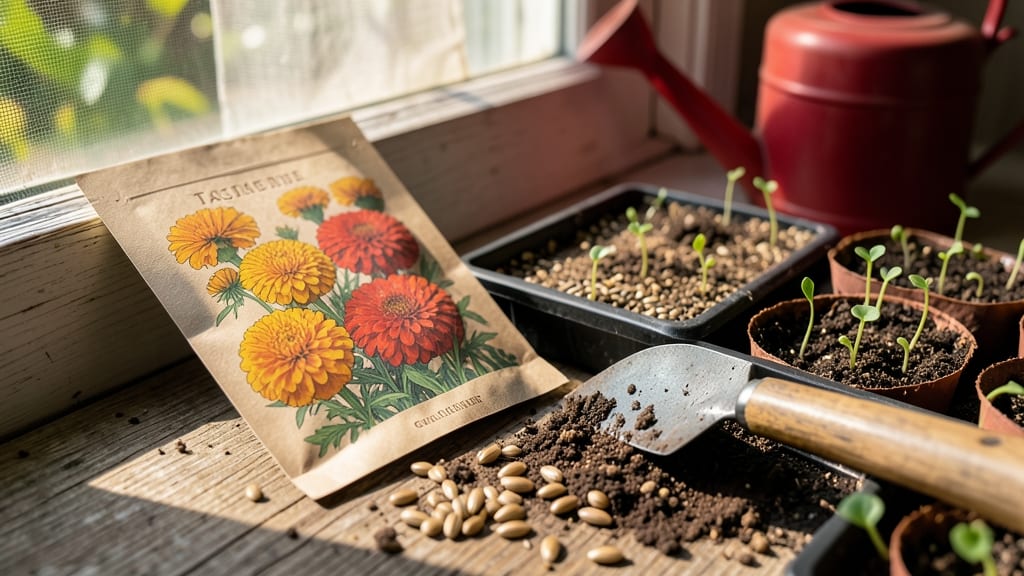
Marigolds bloom from seed in 45 to 75 days—depending on the variety and your climate—so timing your spring planting right is the key to a summer full of bright 🌼 blooms.
Picture this: you’ve just tucked those tiny seeds into warm soil, and now you’re waiting—wondering if those cheerful orange and gold flowers will ever appear. The good news? With the right conditions, some marigolds burst into bloom in as little as 6 weeks, while others take a little longer.
Fast-blooming varieties like 'Bonanza' or 'Tangerine' can surprise you with flowers by early summer, while taller types need a bit more patience. Heat and sunlight are the real game-changers here, and I’ll show you exactly how to give your marigolds the boost they need.
From choosing the fastest seeds to adjusting care for your zone, you’ll learn how to shave weeks off the timeline—so you can enjoy those vibrant blooms sooner than you think.
Marigold bloom timeline from seed: days to flower by variety
If you're eager to see those bright marigold blooms light up your garden, timing is everything! From seed to flower, marigolds typically take 45-75 days, but the exact timeline depends on the variety and growing conditions.
French marigolds often bloom fastest, while African varieties may take longer. Let's break down the specifics so you can plan your planting schedule for the most vibrant display.
Understanding the heat requirements is key—marigolds thrive in warm soil and love basking in the sun. Planting too early in cool soil can delay germination and flowering by weeks.
For fastest results, aim to sow seeds when soil temperatures consistently stay above 60°F (15°C). This usually aligns with late spring or early summer in most USDA zones.
Here's a quick comparison of the three main marigold types and their bloom timelines:
| Variety | Days to Bloom | Height | Heat Needs | Best Planting Time |
|---|---|---|---|---|
| French Marigold | 45-60 days | 6-12 inches | Moderate (60°F+ soil) | Late spring to early summer |
| African Marigold | 60-75 days | 18-24 inches | High (70°F+ soil) | Early summer |
| Dwarf Marigold | 50-65 days | 6-10 inches | Moderate (60°F+ soil) | Late spring |
French marigolds are the speediest bloomers, often producing flowers in just 45 days from seed. This makes them perfect for container gardens or quick seasonal color bursts. Their compact size also makes them ideal for edging flower beds or interplanting with vegetables.
I've found that varieties like 'Bonanza' and 'Queen Sophia' are particularly reliable for early blooms.
African marigolds, while slightly slower to flower, reward gardeners with larger, showier blooms that can reach up to 3 inches across. These varieties typically need 60-75 days to reach full bloom, but their striking colors and pest-repelling properties make the wait worthwhile.
'Tangerine Gem' and 'Crackerjack' are popular choices that thrive in warmer climates and longer growing seasons.
Dwarf marigolds strike a balance between speed and size, blooming in 50-65 days and staying under 10 inches tall. They're excellent for window boxes, hanging baskets, or small-space gardens. Varieties like 'Tiny Gold' and 'Tom Thumb' are perfect for gardeners who want quick color without sacrificing space.
Plant these in well-draining soil with full sun exposure for the fastest results.
To maximize your marigold's potential, consider starting seeds indoors 4-6 weeks before your last frost date. This head start can shave valuable days off the bloom timeline, especially in cooler climates.
Use seed-starting trays with a heating mat set to 75°F (24°C) to encourage rapid germination. Once seedlings have two true leaves, they're ready to transplant outdoors.
Don't forget that soil temperature plays a crucial role in marigold development. Cold soil can delay germination by weeks, while warm soil (above 70°F (21°C)) can speed up the process.
Use a soil thermometer to monitor conditions—this simple tool can help you time your plantings perfectly for your local climate. In my experience, mulching with black plastic or straw can help maintain consistent soil warmth.
For gardeners in cooler regions, consider planting marigolds in late spring or early summer when soil temperatures are ideal. In warmer zones, you can even get a second bloom cycle by sowing seeds in early fall.
Just be sure to choose varieties that suit your growing season length—some African marigolds may not have time to mature if planted too late.
One final tip: Deadheading spent blooms encourages continuous flowering throughout the season. Simply pinch off faded flowers with your fingers or shears to redirect the plant's energy into producing new buds. This simple habit can extend your marigold's bloom time by several weeks, giving you vibrant color well into fall.
How to speed up marigold blooming: heat, light & soil secrets
Marigolds are one of the fastest bloomers in the garden, but their speed depends on three critical factors: soil warmth, sunlight exposure, and nutrient balance. If your plants are taking longer than 60 days to flower, it’s likely due to one of these overlooked conditions.
The good news? With a few simple adjustments, you can trigger blooms in as little as 45 days—even with cooler starts.
First, let’s address the biggest misconception: marigolds don’t just need sunlight—they crave heat. Soil temperatures below 60°F (15°C) can stall germination and delay flowering by weeks. That’s why late spring plantings often outperform early ones, despite cooler air temperatures.
The secret lies in soil thermodynamics: the ground absorbs and retains heat far better than air, creating the ideal environment for rapid growth.
Here’s how to optimize each factor for faster marigold blooms, with actionable steps you can implement this week:
- 🌡️ Soil Temperature Hack: Use black plastic mulch or clear plastic domes to raise soil temps by 10-15°F—critical for French marigolds which need 65°F+ (18°C+) to thrive.
- ☀️ Light Exposure Boost: Place seedlings in the sunniest spot (even if it’s a south-facing container) and rotate pots weekly to prevent lopsided growth.
- 🌱 Companion Planting: Pair marigolds with basil or nasturtiums—these repel pests and improve root zone aeration, reducing stress that delays blooming.
- 💧 Watering Strategy: Water deeply once weekly (instead of daily light sprinkles) to encourage stronger root systems that support faster flowering.
- 🌿 Fertilizer Timing: Apply a low-nitrogen (5-10-10) fertilizer only after true leaves appear—excess nitrogen promotes foliage over flowers.
Don’t overlook the power of companion planting—marigolds thrive when paired with tomatoes, peppers, and herbs like thyme. The allelopathic compounds in marigold roots deter nematodes, creating a healthier soil environment that speeds up nutrient uptake.
For container gardens, mix marigolds with basil or lettuce to maximize space and boost growth.
If your marigolds are still slow to bloom after 6 weeks, check for overcrowding—plants need 12-18 inches of space to develop properly. Thin seedlings early to avoid competition for nutrients.
Another pro tip: deadhead spent blooms weekly to redirect energy into new flowers, extending your blooming season by 30-40 days.
For gardeners in cooler climates, consider starting seeds indoors under grow lights 4-6 weeks before the last frost. Use heat mats to maintain 70-75°F (21-24°C) soil temps—this can shave off 10-14 days from your blooming timeline.
Once seedlings are 2 inches tall, transplant them into the garden after soil temps consistently reach 60°F (15°C).
With these heat, light, and soil secrets, your marigolds will reward you with bold, continuous blooms in record time—perfect for cutting gardens or pest-free vegetable patches. The key is consistency: warm soil, full sun, and strategic care are your fastest paths to marigold perfection. 🌼