
Blooming
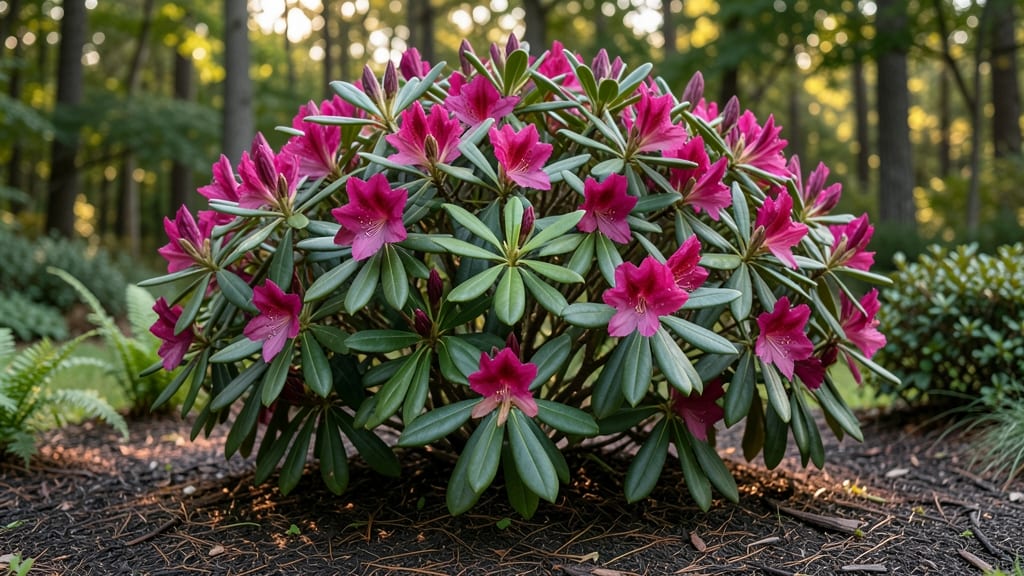
Rhododendrons in North Carolina bloom between late March and early May, with timing that shifts dramatically from the coast to the mountains.
If you’ve ever wondered why your neighbor’s 🌸 bushes burst into color weeks before yours, the answer lies in elevation, variety, and even last winter’s snowfall. A mountain rhododendron might still be budding when coastal gardens are already fading, and that’s not just luck—it’s science.
This 3-week window isn’t random: it’s shaped by your USDA zone, your garden’s microclimate, and the specific rhododendron variety you’ve planted. In the mountains (zones 6a-7a), blooms often arrive in April, while piedmont gardens (zones 7b-8a) see peak color in late March to early April.
Below, I’ll break down the exact bloom schedules for your region, the top 5 varieties that defy the norm, and how to adjust planting or pruning to extend your garden’s show—because nobody wants to miss a single trumpet-shaped bloom.
Rhododendron bloom times in NC by elevation: coastal vs. mountain differences
North Carolina’s diverse elevations create dramatic differences in rhododendron bloom times. While coastal gardens may see early April blooms, mountain gardens often wait until late May or June.
This variation stems from temperature shifts of 10-15°F per 1,000 feet elevation gain, directly impacting flower development. Understanding these patterns helps you choose varieties that thrive in your specific zone.
The state’s three main elevation zones—coastal plain (0-500 ft), piedmont (500-2,000 ft), and mountains (2,000+ ft)—each experience unique microclimates. Coastal areas benefit from warmer winters and longer growing seasons, while mountain regions face later spring frosts and shorter bloom windows.
Humidity also plays a role, with coastal plants often blooming 2-3 weeks earlier than their mountain counterparts.
Here’s how to predict bloom times based on elevation, including specific varieties that excel in each zone:
| Elevation Zone | Avg. Bloom Window | Key Varieties | Temperature Trigger |
|---|---|---|---|
| Coastal Plain (0-500 ft) | Late March–Early April | 'Catawba', 'Roseum Elegans' | 50–55°F sustained |
| Piedmont (500–2,000 ft) | Mid-April–Early May | 'Elizabeth', 'Nova Zembla' | 45–50°F sustained |
| Mountains (2,000+ ft) | Late May–June | 'PJM', 'Carolina Blush' | 40–45°F sustained |
Note: Late frosts (28°F or below) can delay blooms by 1–2 weeks in transitional zones.
The coastal plain enjoys the earliest blooms because its milder winters and higher humidity encourage early bud break. Varieties like 'Catawba', with its deep pink flowers, often bloom by late March if planted in well-draining, acidic soil.
However, coastal gardeners must watch for hurricane winds in May, which can strip petals.
In the piedmont region, where cities like Raleigh and Greensboro reside, blooms typically arrive in mid-April. This zone’s moderate temperatures and lower humidity create ideal conditions for 'Elizabeth', a light pink variety that thrives in partial shade.
However, late spring frosts (common until mid-April) can damage buds, so choose late-blooming varieties like 'Nova Zembla' for better resilience.
Mountain gardens face the biggest challenges due to later frost dates and cooler temperatures.
The Asheville area (3,000 ft) often sees blooms in late May, while higher elevations (e.g., Cherokee at 2,500 ft) may wait until June. 'PJM', a purple mountain favorite, is hardy to Zone 3 and blooms reliably in these conditions.
Planting near south-facing walls can add 5–7°F of warmth, extending the bloom season.
Humidity also affects bloom timing, especially in coastal vs. mountain comparisons. Coastal rhododendrons benefit from higher moisture levels, which reduce stress and encourage earlier flowering. In contrast, mountain air’s dryness can delay blooms until soil moisture increases in late spring.
To combat this, mulch heavily in fall and water deeply in early spring to jumpstart growth.
For gardeners in transitional zones (e.g., Charlotte or Boone), microclimates matter most. A north-facing slope may bloom 2 weeks later than a south-facing garden bed. Use weather station data to track chilling hours (300–500 hours below 45°F)—a key indicator for bud formation.
Plant early and late bloomers together to extend your garden’s color showcase from April to June.
Pro tip: If your rhododendrons aren’t blooming on schedule, check for over-fertilization (too much nitrogen delays flowers) or poor soil drainage. Amend soil with pine bark fines to maintain acidity (pH 4.5–6.0) and consider light pruning after blooming to encourage next year’s buds.
With the right variety and care, your NC garden can burst into color at the perfect time—no matter the elevation!
Top 5 rhododendron varieties that bloom early (or late) in NC gardens
North Carolina’s diverse elevations create a stunning rhododendron bloom parade, where some varieties burst into color as early as late February along the coast, while mountain dwellers like 'PJM' wait until May to shine.
The secret? Microclimates and careful variety selection. Whether you’re in the coastal plain or the Blue Ridge, these five standout rhododendrons will give you the longest, most vibrant display possible.
For gardeners in Zone 8a (coastal areas), early bloomers like 'Elizabeth' can start flowering in March, while those in Zone 6b (mountains) might not see 'PJM' until late April to May.
The difference? 1,000 feet of elevation can shift bloom times by weeks. Let’s explore the best picks for your specific NC zone and elevation.