
Advice
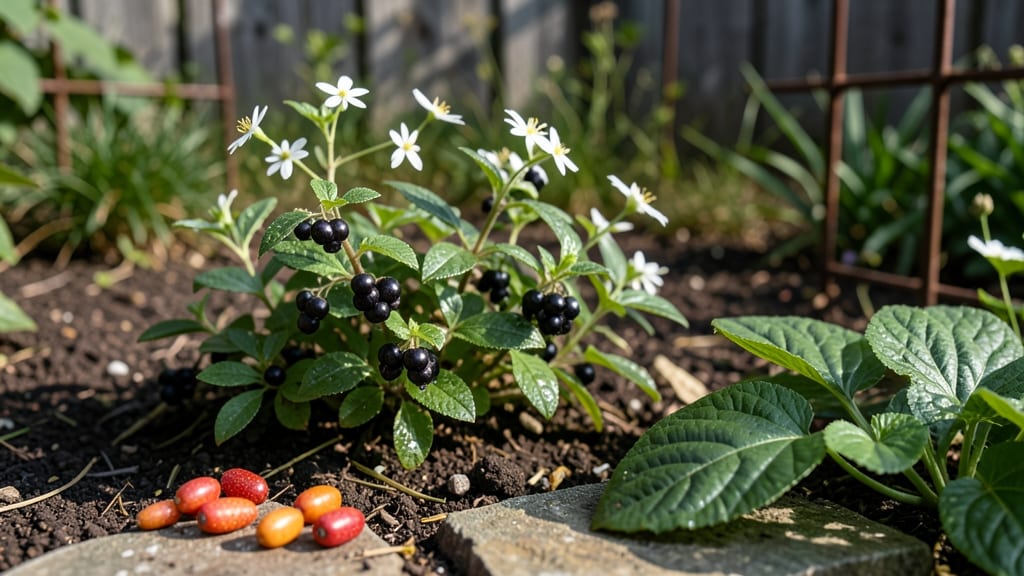
The term reflects how these plants were feared in medieval times, particularly because some—like Atropa belladonna—were deadly when ingested. 🌙 Many toxic nightshades were associated with nighttime rituals, earning them a sinister reputation that stuck even as edible varieties (tomatoes, peppers) became staples in cuisine.
The name persists today as a historical nod to their dark origins, though modern science separates the safe from the dangerous.
What's fascinating is how this reputation evolved: while some nightshades were used in traditional medicine, others became symbols of danger. For example, belladonna was prized for its hallucinogenic properties, while henbane was linked to witchcraft accusations.
Even edible nightshades like potatoes faced skepticism when introduced to Europe, as their toxic relatives cast a long shadow.
💡 In This Article
- The Toxic Origins of the Nightshade Name
- Edible Nightshades vs. Poisonous Relatives
The toxic origins of the nightshade name
The name "nightshade" traces back to the deadly nightshade (Atropa belladonna), a plant whose berries contain atropine and scopolamine—compounds that can cause hallucinations, paralysis, or even death in doses as small as 2-5 berries.
Medieval Europeans believed these toxic plants thrived in darkness, growing only under moonlight, which amplified their eerie reputation. 🌙 The term "nightshade" became a catch-all for any plant in the Solanaceae family that shared similar toxic traits, regardless of edibility.
These plants were deeply tied to superstition and magic. Belladonna, for instance, was crushed into poultices for "healing" but also used in potions by witches—hence its nickname "witches' herb." The henbane plant was similarly feared, with its seeds sometimes added to brews for hallucinatory effects.
Even the mandrake root, another nightshade, was believed to scream when uprooted, a myth that cemented its place in folklore as a plant of the night.
The association with darkness wasn't just visual; it was rooted in the psychotropic effects of these plants, which made them tools (and dangers) of the occult.
Science later debunked the moonlight myth, but the name stuck because of the physical and psychological impact of these plants. For example, atropine dilates pupils, which is why women in Renaissance Italy used belladonna extracts as "beauty drops" to create a seductive, wide-eyed look—earning it the name belladonna ("beautiful lady").
Yet the same compound could kill in higher doses, creating a duality that mirrored the nightshade's dual reputation: both alluring and deadly. 💀
What makes this fascinating is how the name evolved beyond just toxicity. The Solanaceae family includes both lethal and edible plants, like tomatoes and potatoes, which were initially met with suspicion in Europe because of their toxic relatives.
Even today, the term "nightshade" carries that historical weight, though modern botany separates the safe from the dangerous. The name serves as a reminder of how deeply human perception shapes our understanding of nature—and how some labels refuse to fade, no matter how much we learn.
Consider this: while deadly nightshade remains one of the most poisonous plants in Europe, its edible cousins—like tomatoes (Solanum lycopersicum)—are now dietary staples. The difference lies in cultivation and selection: over centuries, humans bred non-toxic varieties while avoiding their toxic ancestors.
Yet the name persists as a historical echo, a testament to how fear and folklore can outlast scientific truth. 🌱
Here’s the irony: the same family that gave us potatoes (Solanum tuberosum), a crop that helped prevent famines, also includes black henbane (Hyoscyamus niger), a plant used in medieval executions.
This duality explains why the term "nightshade" feels both ancient and alive—it’s a linguistic relic that carries the weight of history, medicine, and superstition all at once.