
Blooming
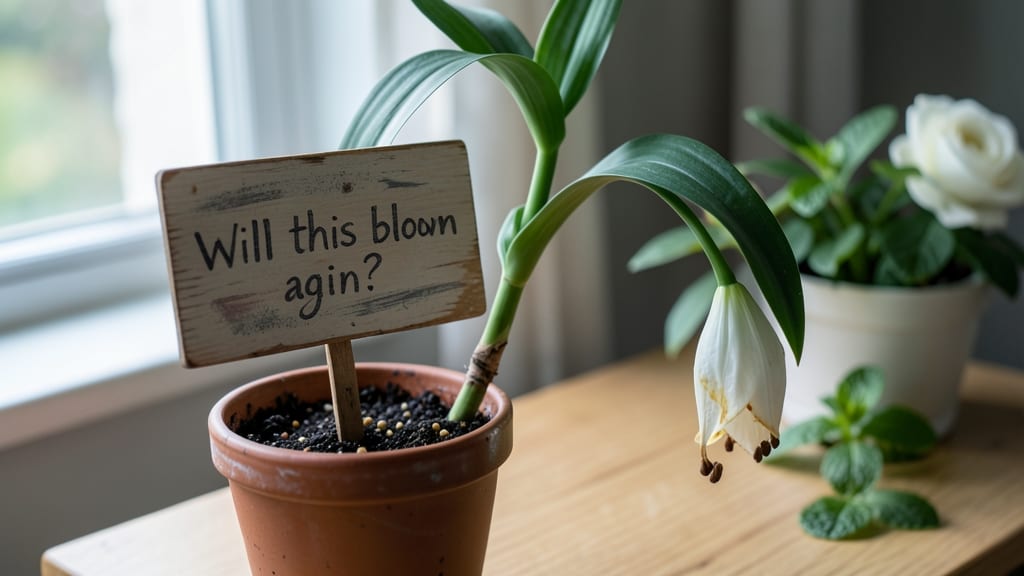
Will Easter lily bloom again? Most Easter lilies produce just one bloom cycle per year, though some varieties like Lilium longiflorum may occasionally rebloom under ideal conditions. Gardeners typically replant bulbs annually for consistent flowers.
Easter lilies are famous for their stunning spring blooms, but their energy reserves get depleted after flowering. 🌸 The bulbs enter dormancy, making reblooming unlikely unless you provide perfect growing conditions—like rich, well-draining soil and consistent moisture.
Even then, secondary blooms are rare and often smaller. Many gardeners opt to treat them as annuals or dig up bulbs after flowering to replant them the following year, ensuring fresh blooms each spring.
If you're determined to encourage reblooming, focus on aftercare—like fertilizing with a balanced formula after blooming and avoiding overwatering. However, most varieties simply don’t have the stamina for a second round of flowers.
That’s why so many people choose to enjoy them as temporary spring stars rather than perennial garden staples.
💡 In This Article
- Why Most Easter Lilies Bloom Only Once
- How to Encourage Easter Lily Reblooming (If Possible)
Why most Easter lilies bloom only once
Easter lilies (Lilium longiflorum and related hybrids) are genetically programmed to produce their most spectacular blooms in a single season. This happens because flowering is an energy-intensive process that drains the bulb's stored nutrients.
After blooming, the plant redirects all its energy toward bulb expansion and root development rather than preparing for a second round of flowers. Think of it like an athlete who exhausts their reserves after a major competition—recovery takes time, and another performance isn't guaranteed.
The bulb's dormancy cycle plays a key role too. After flowering, the foliage yellows and dies back as the plant enters a resting phase. During this time, the bulb rebuilds starch reserves, but the process is slow—typically requiring 6-8 weeks of consistent care.
Even with perfect conditions, most Easter lilies prioritize bulb regeneration over reblooming.
This is why you'll rarely see them producing secondary flowers in the same season. 🌿 For comparison, perennial lilies like Lilium regale or Lilium 'Stargazer' naturally rebloom because they've evolved to store more energy reserves and have shorter dormancy periods.
Climate also affects reblooming potential. Easter lilies thrive in USDA zones 3-9 but perform best in cooler spring and summer temperatures. In hot climates, the stress of high temperatures can further deplete the bulb's energy, making reblooming nearly impossible.
Even in ideal conditions, secondary blooms—when they occur—are usually smaller, with fewer buds and less vibrant colors. This is because the plant is still recovering from its first bloom cycle and hasn't fully replenished its energy stores.
Another critical factor is the bulb's age. Younger bulbs (1-2 years old) have limited energy reserves, while mature bulbs (3+ years) can sometimes produce a second, smaller bloom if given perfect care. However, this is the exception, not the rule.
Most gardeners find that even mature bulbs focus on bulb expansion rather than reblooming, especially if they've already produced a large, showy flower stalk. The plant's survival instinct kicks in, prioritizing root and bulb growth over another round of flowering.
What most people don't realize is that Easter lilies are often treated as annuals because of this natural behavior. Unlike true perennials, which reliably return year after year, Easter lilies are more like "one-hit wonders" in the garden.
Their stunning spring display is their main selling point, and gardeners often replant new bulbs annually to guarantee another spectacular bloom. This is why you'll see them sold as potted plants—once the flowers fade, the bulb's energy is mostly spent, and the plant's lifespan as a blooming specimen is limited.
If you're hoping for reblooming, it's worth noting that even the most careful gardeners rarely see it happen. The plant's biology is simply wired to conserve energy for the next growing season rather than pushing for another round of flowers.
This is why so many gardeners choose to enjoy Easter lilies as temporary, high-impact spring stars rather than long-term garden investments. 🌸