
Size
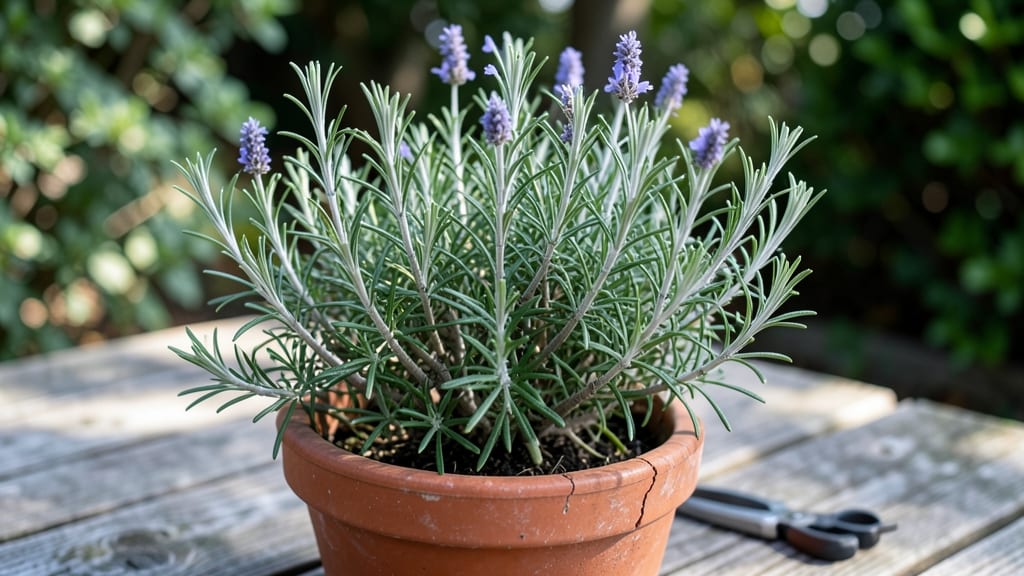
Rosemary is a Mediterranean herb that evolved to love bright conditions, and its survival in shade depends entirely on how much light it gets. 🌿 Without enough sunlight, the plant's photosynthesis slows dramatically, leading to pale, leggy stems and weak leaves that lose their potent flavor.
Even partial shade can reduce oil production—the compounds responsible for that classic rosemary scent—making it less aromatic and less useful in cooking. If you're dealing with limited light, consider growing rosemary in containers that you can move to sunnier spots during the day.
For gardeners with shady conditions, some varieties like 'Arp' or 'Hill Hardy' are slightly more tolerant, but they still require bright indirect light to prevent decline.
The key is to maximize exposure—even a south-facing windowsill or a sunny patio for a few hours can make a huge difference in keeping your rosemary alive and productive.
💡 In This Article
- How Shade Affects Rosemary Growth and Health
- Best Shade-Adapted Rosemary Varieties and Care Tips
How shade affects rosemary growth and health
Rosemary's struggle in shade stems from its Mediterranean origins, where it evolved to thrive under full sun exposure (6-8+ hours daily). In low-light conditions, its chlorophyll production drops sharply, leading to a condition called chlorosis—where leaves turn pale yellow instead of vibrant green.
This happens because insufficient light limits the plant's ability to convert sunlight into energy through photosynthesis, forcing it to prioritize survival over growth. 🌱 The result? Stunted stems that stretch weakly toward any available light and leaves that lose their signature piney aroma due to reduced essential oil production.
The impact on rosemary's health goes beyond aesthetics. In shade, the plant's cell walls weaken, making stems more prone to snapping under their own weight. The essential oils—responsible for that unmistakable rosemary scent—are produced in specialized glands on the leaves, and these glands become less active in low light.
Studies show that rosemary grown in partial shade can produce 30-50% fewer aromatic compounds compared to sun-grown plants. This means your culinary rosemary will taste noticeably milder, almost bland, when deprived of adequate sunlight.
Even partial shade (3-6 hours of direct light) creates a "Goldilocks problem" for rosemary. While it survives, the plant becomes stressed, allocating energy to basic functions rather than flavor development. The leaves may appear healthy at first but become sparse and widely spaced as the plant stretches toward light.
In extreme cases, rosemary grown in deep shade (<3 hours of light) can develop fungal issues due to poor air circulation around the weak, leggy stems. The moral? Shade might keep rosemary alive, but it won't keep it thriving—or delicious.
What makes this especially tricky is rosemary's sensitivity to temperature fluctuations. In shade, the plant's temperature regulation suffers because sunlight helps moderate heat. Without it, rosemary becomes more vulnerable to cold snaps or sudden heatwaves, which can further stress the plant.
For example, a rosemary bush in full sun might tolerate a 20°F drop in temperature, while one in shade could suffer irreversible damage from the same dip. This dual challenge—light deprivation and temperature instability—explains why rosemary often declines rapidly in shaded environments.
To put it in perspective, compare rosemary to a sunflower: both are heliotropic (light-seeking), but sunflowers can tolerate partial shade better because their growth cycle is shorter. Rosemary, however, is a perennial with a slower metabolism, making it far more dependent on consistent, bright light.
Even a 50% reduction in sunlight can cut its growth rate by nearly half, and the flavor compounds that make rosemary prized in kitchens worldwide diminish proportionally. The science is clear: rosemary isn't just "picky"—it's physiologically adapted to thrive where the sun shines boldly.
If you're determined to grow rosemary in shade, the first step is to accept that it will never reach its full potential. The plant will survive, but its leaves will be sparser, its stems weaker, and its aroma subdued.
For gardeners, this means prioritizing varieties bred for resilience—like 'Arp' or 'Hill Hardy'—which can tolerate slightly lower light conditions. However, even these hardier types won't produce the same robust flavor or fragrance as their sun-loving counterparts.
The trade-off is a stark reminder of how deeply rosemary's biology is tied to sunlight.